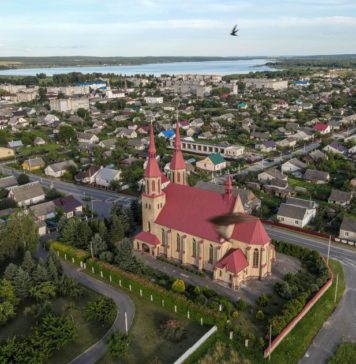
Korelichi is an urban settlement and the administrative center of the Grodno region. It is well located on the highly touristic P11 highway, which connects Novogrudok, Mir, and Nesvizh. In addition, these lands once belonged to the Radziwills, under whom Korelichi experienced a real rise. Today, little remains of its former glory and grandeur. The few interesting landmarks that can be found in the village are located in the historical center. One of the main attractions of Korelichi is the Church of Our Lady.
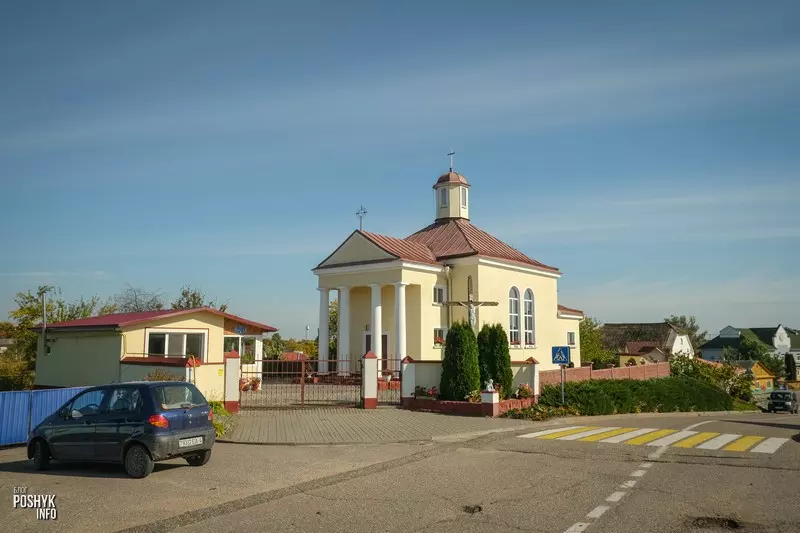
The temple was completed in 1938, just before the start of World War II, when Korelichi was part of Interwar Poland. The church is small in size and is built in the neoclassical style. The most striking feature is the facade with a portico, decorated with four columns.
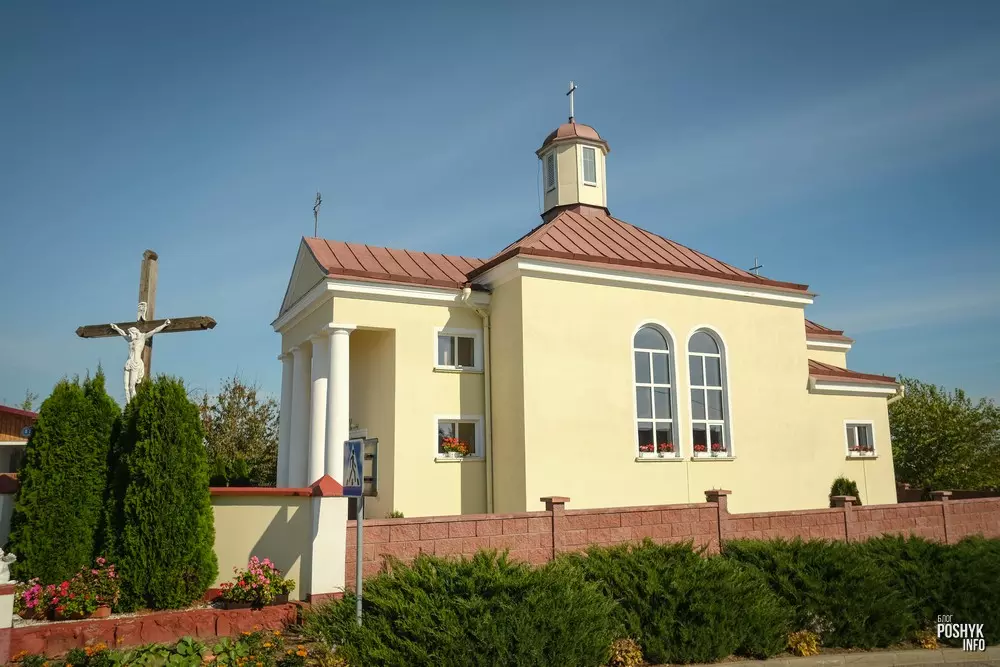
The church stands at 2-4 Fomenko Street, with the Church of St. Peter and Paul located nearby.
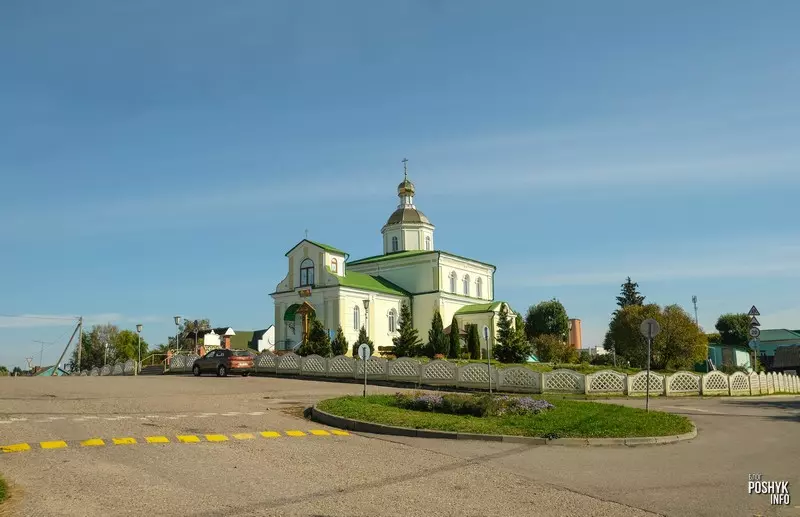
Korelichi is not the richest village in terms of sights, even though it is located in one of the country’s most tourist-oriented regions. Near it are the Mirsky and Novogrudok castles, as well as Nesvizh, which is just a short distance away. In the center of Korelichi, you can see several typical buildings from the late 19th and early 20th centuries. In addition, there are the Church of Our Lady and the Church of Saints Peter and Paul.
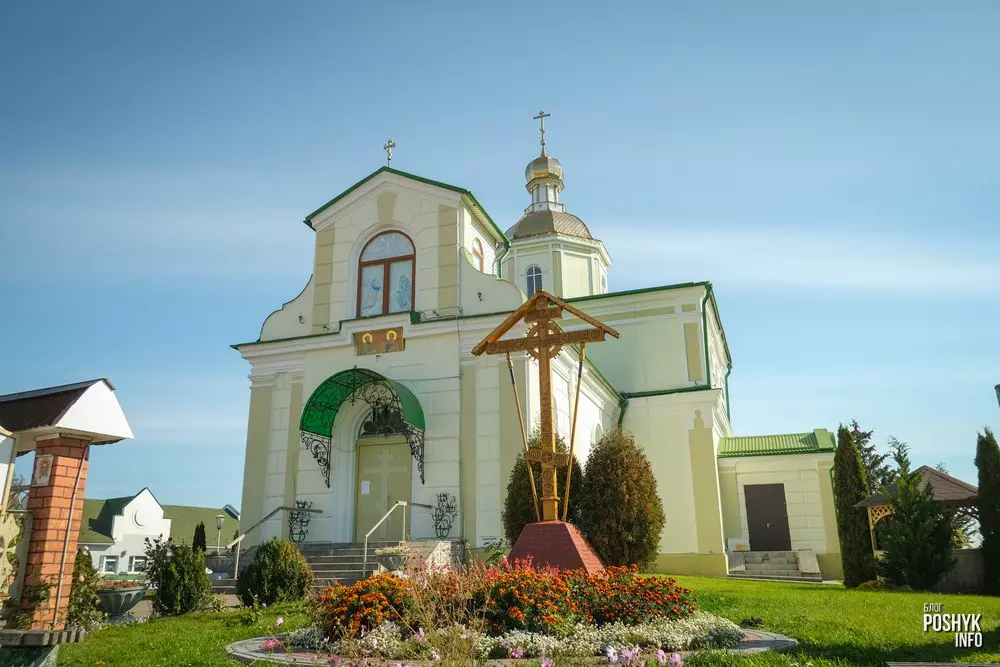
The Church of Saints Peter and Paul was built with Russian funding and completed in 1866. This period in history is remembered for the active promotion of Orthodoxy, during which typical Orthodox churches (known as “ants”) were built across Belarus, and many Catholic churches were closed. The Church in Korelichi is built in the pseudo-Russian style. Instead of a classic high belfry, there is a small tiered tower, which is smaller than the dome. The church was closed during Soviet times but was restored in the late 1980s: the roof and windows were replaced, the dome was restored, the walls were repainted, and the iconostasis was renewed.
Manor of the Radziwills in Korelichi: Ruins of a brewery and barn
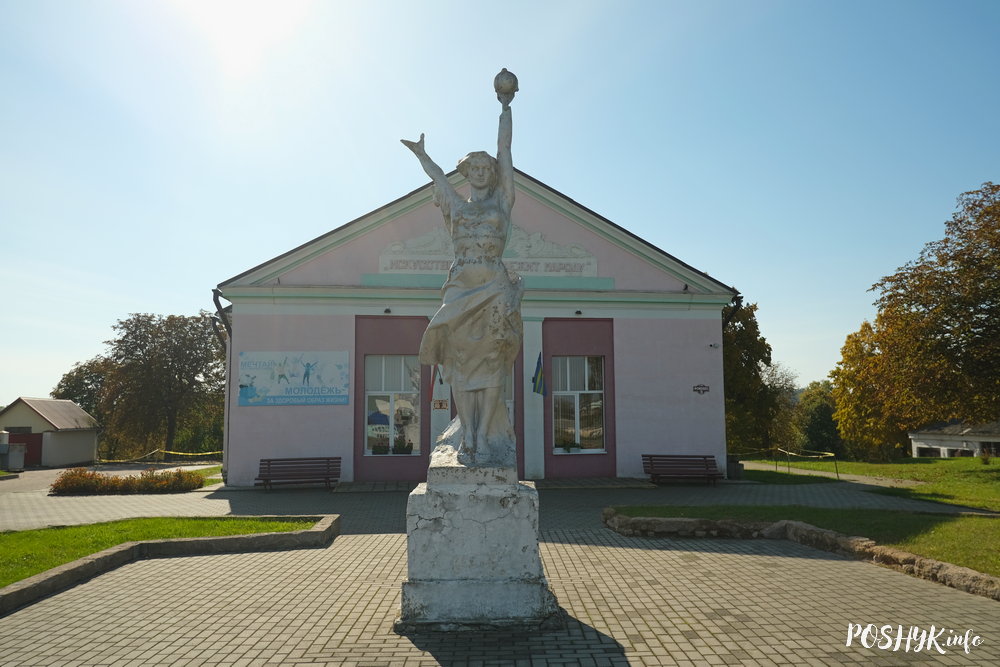
The urban settlement of Korelichi is often passed by without much attention. There are objective reasons for this—there are few sights here. In the historical center, there is the small Church of Our Lady and a 19th-century church. However, such sites rarely attract tourists, unlike castles, such as those in neighboring Mir and Novogrudok. But even in Korelichi, there was once an estate that belonged to the Radziwills. The estate itself has not survived to this day; only some outbuildings remain.
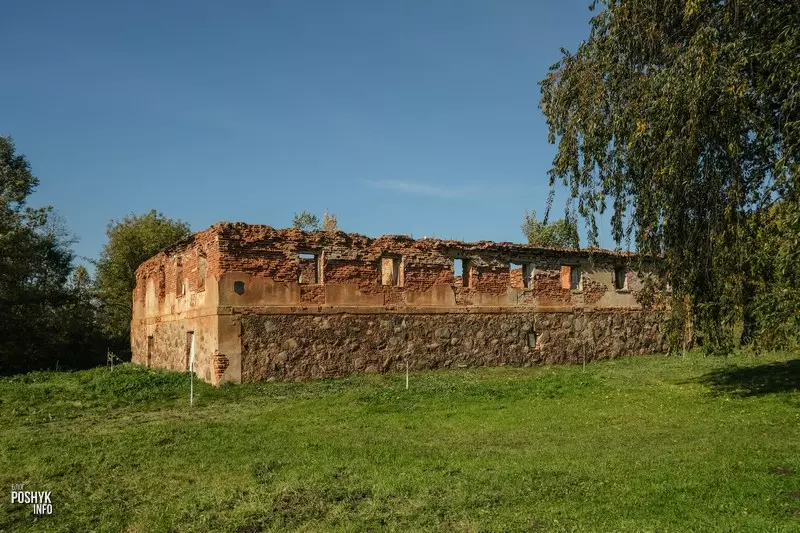
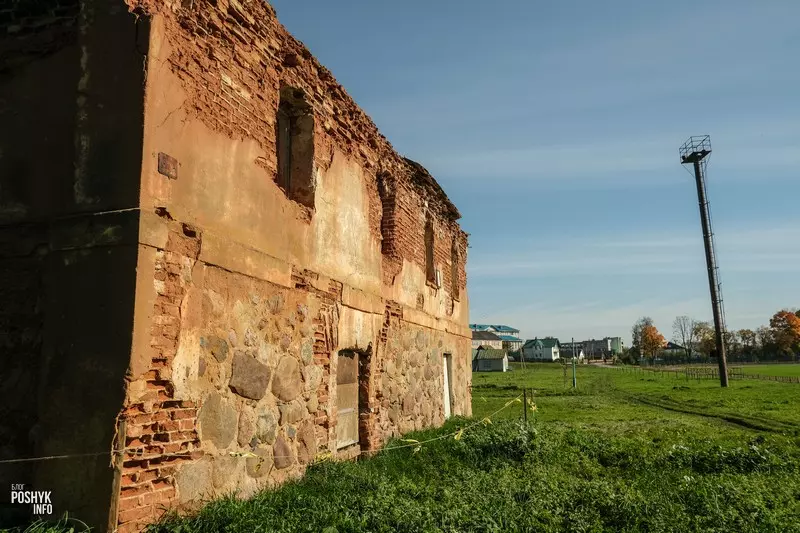
Near the school stadium is a ruin. This is the only building marked with a faded “Historical Heritage” sign. It is difficult to determine what exactly this building was, as there is little information available. Some sources indicate that it was a brewery. From old photographs, it seems more likely to have been an outbuilding.
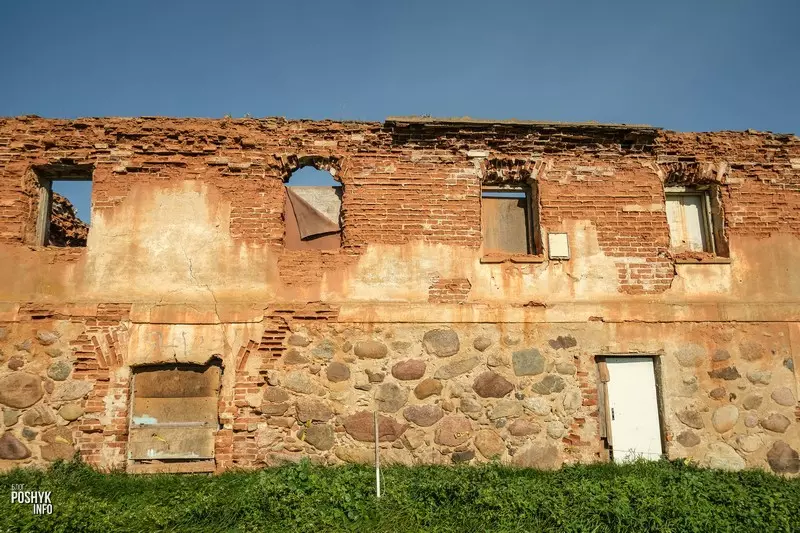
The probable date of construction is 1858. The building is made of brick, and the basement is decorated with rubble stone. Just 15 years ago, the building had a roof and an attic, but now the place looks desolate.
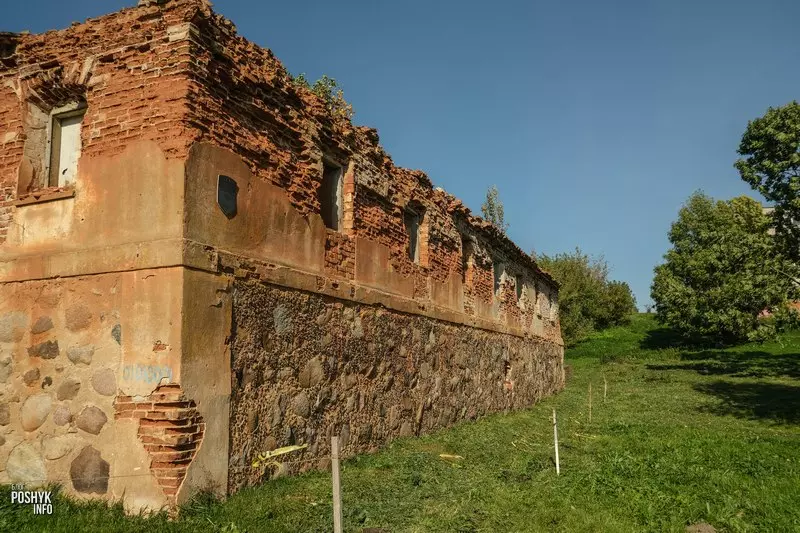
Partial conservation has been attempted with improvised materials, and instead of a fence, there is a rope wound around pegs.
Closer to the P11 highway is a barn from the second half of the 19th century. It is well preserved, and it is clear that some work is being done on it, as windows and doors have been installed.
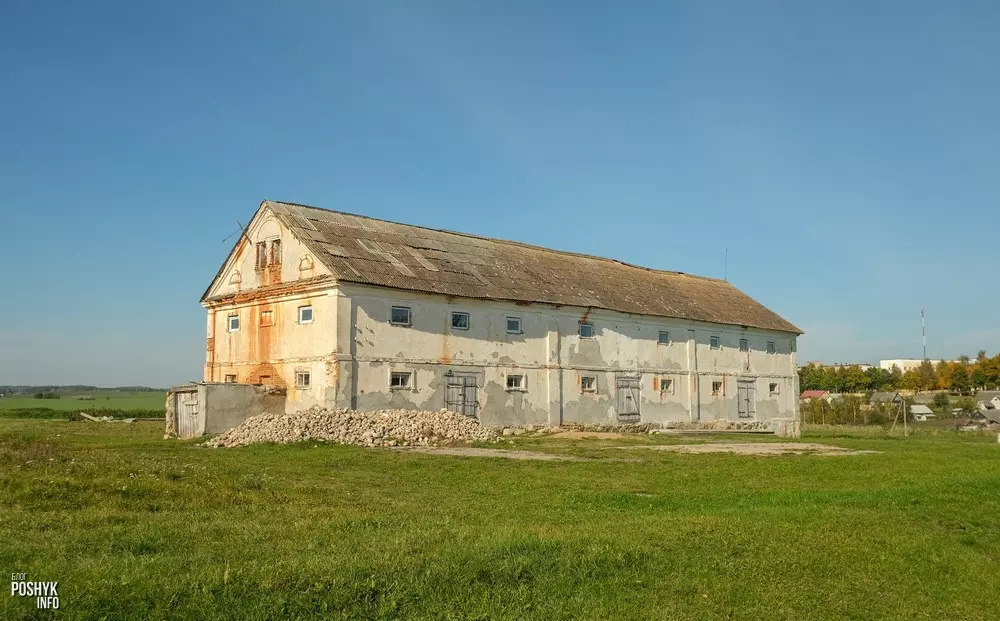
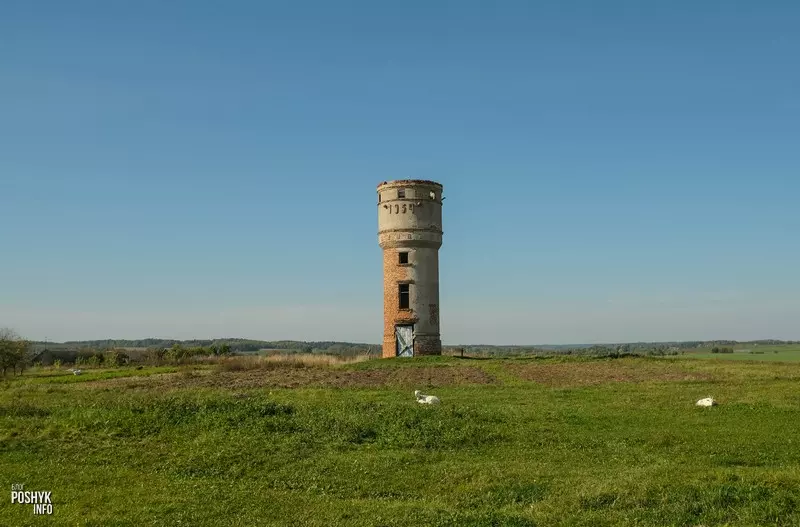
Next to the barn is an abandoned water tower, with the date of construction listed as 1954.
A part of the park from the Radziwill estate in Korelichi still remains. Unfortunately, I was unable to find it—it may be completely overgrown, or perhaps I wasn’t paying enough attention.