When it comes to domestic tourism, the Japanese are quite similar to Americans. Many of them have very short vacations and, therefore, prefer to travel domestically. For instance, from Tokyo, you can easily escape to Shimoda – a coastal city in Shizuoka Prefecture that boasts rich history, pristine beaches, decent surfing, and gorgeous nature. In addition to local travelers, visitors from all over the world are drawn to this coastal retreat.
In this travel guide, we will explore the best things to see and do in Shimoda, how to get there from Tokyo, where to stay, and where to eat. Shimoda is a charming coastal city located on the southern tip of the Izu Peninsula in Shizuoka Prefecture, Japan.
Known for its scenic beauty, clean sandy beaches, and immense historical significance, it offers a tranquil, laid-back atmosphere that stands in stark contrast to the bustle of Tokyo.
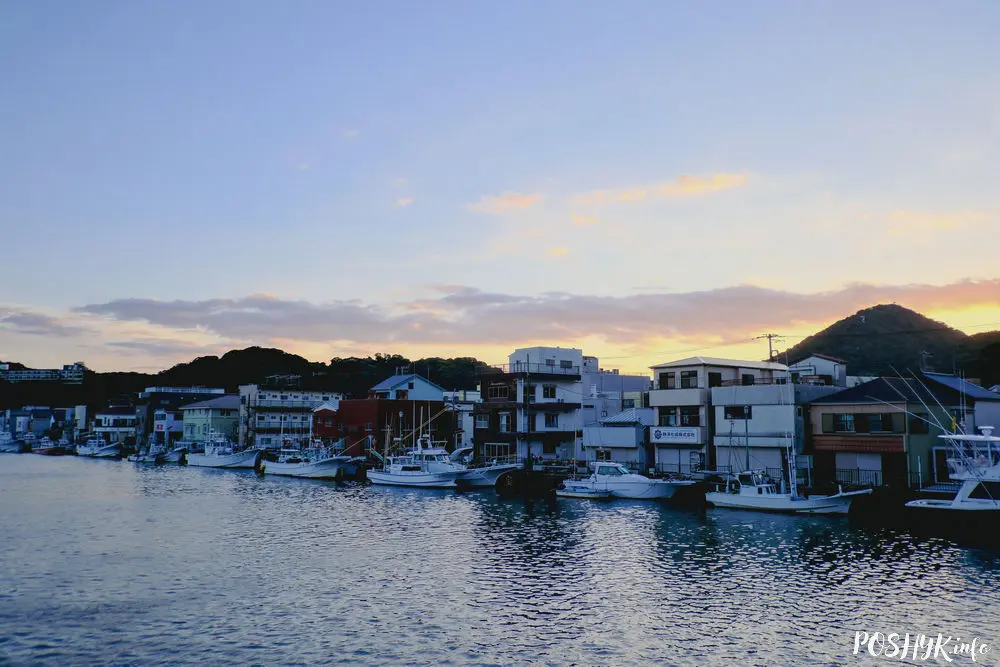
Shimoda is a charming coastal city located on the Izu Peninsula in Shizuoka Prefecture, Japan. Known for its scenic beauty, clean beaches, and historical significance, it offers a tranquil atmosphere that contrasts with the bustle of Japan’s larger cities.
What to See and Do in Shimoda
Perry Road
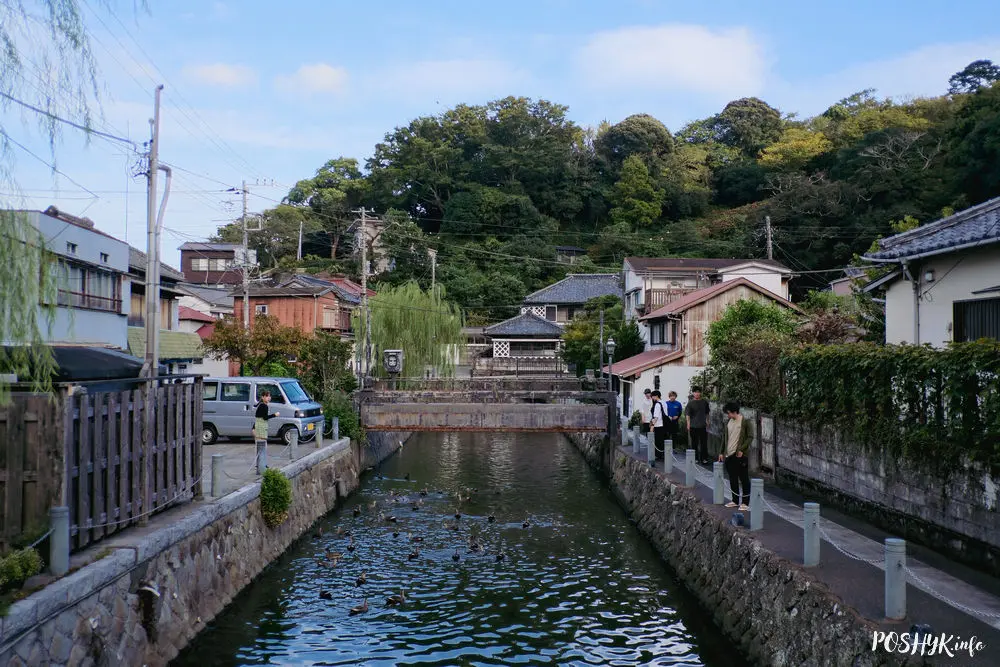
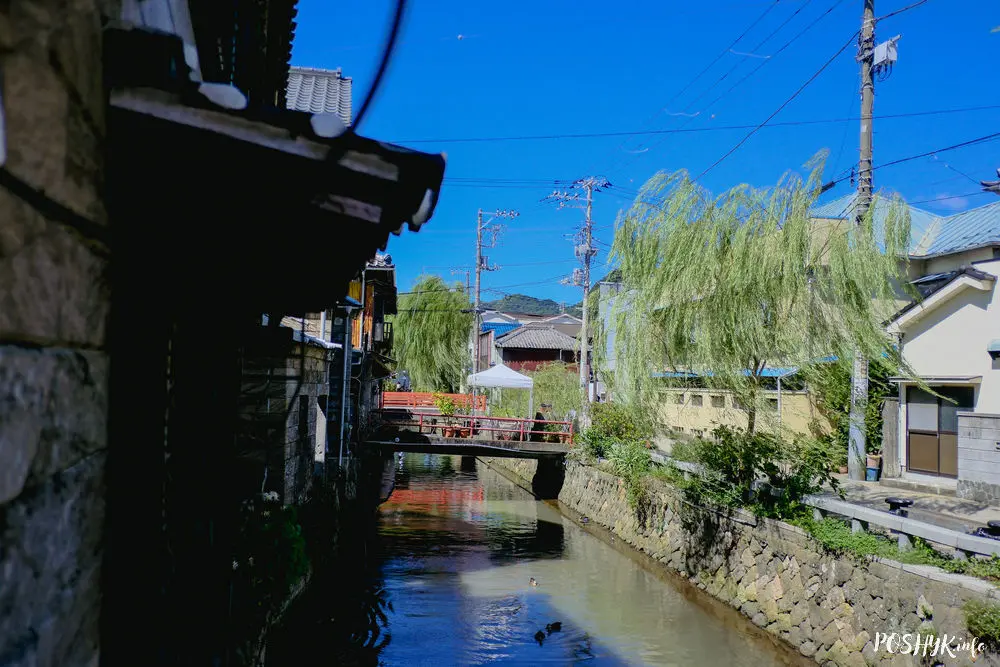
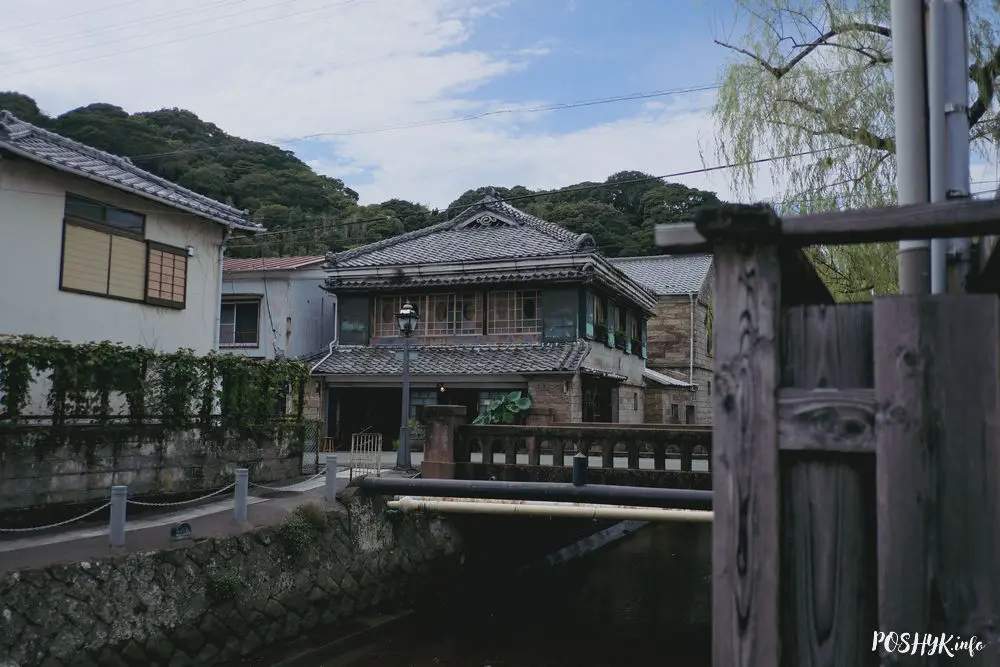
A picturesque, willow-lined street that is easily the most popular spot in the city. Lined with historic stone-faced buildings, cozy cafes, and boutique shops, Perry Road follows the route taken by Commodore Matthew Perry during his historic visit to Shimoda.
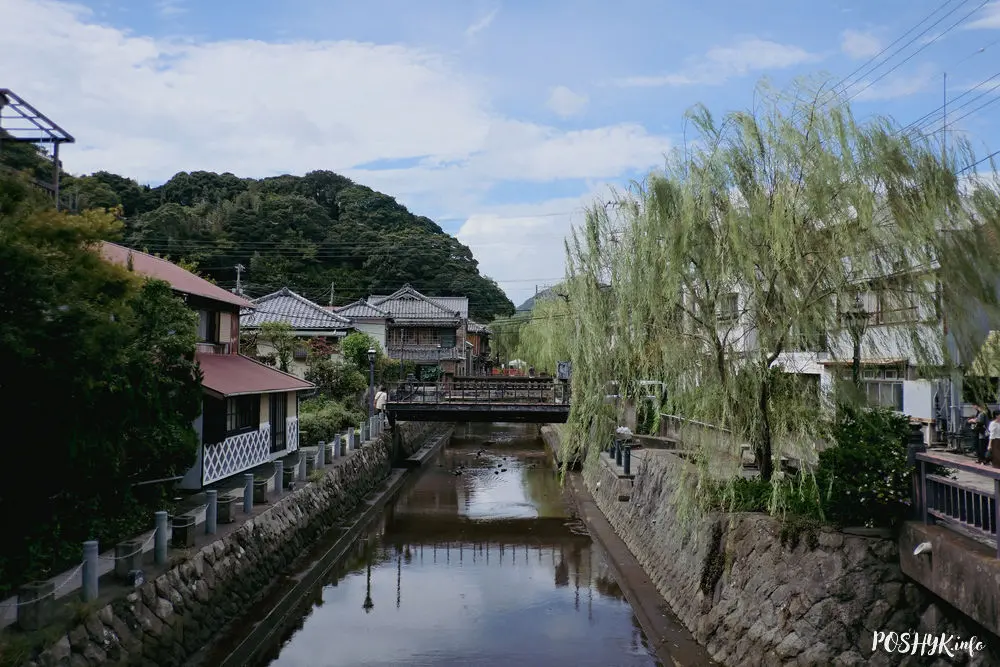
It beautifully retains an old-world atmosphere with its stone-paved paths and peaceful canals.
Historical Shimoda Temples
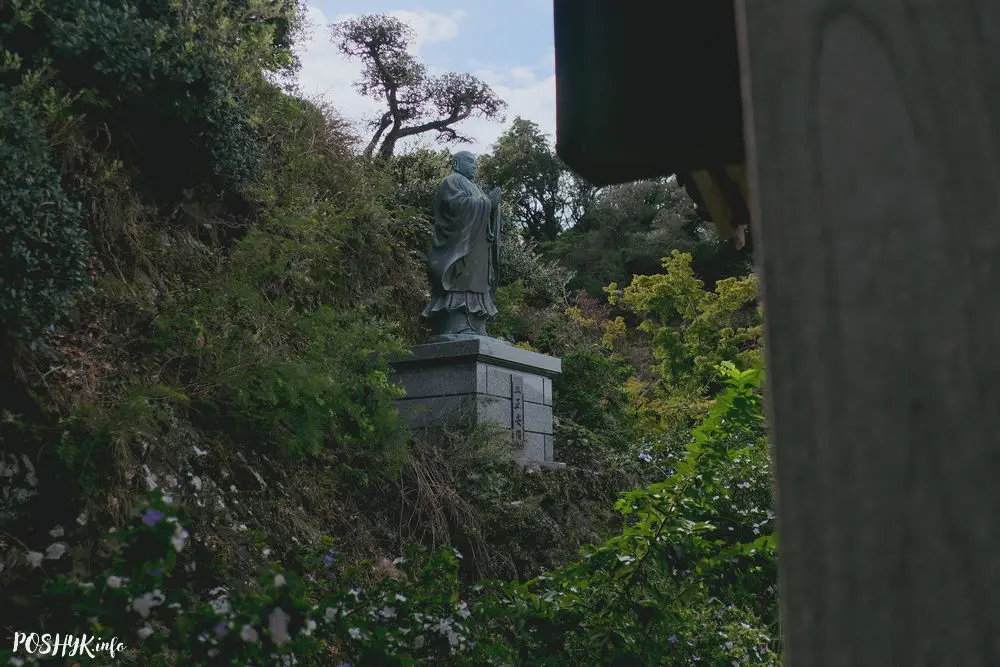
While strolling through Shimoda, you will encounter several beautiful temples. While they share a similar architectural style, two in particular are absolute must-visits:
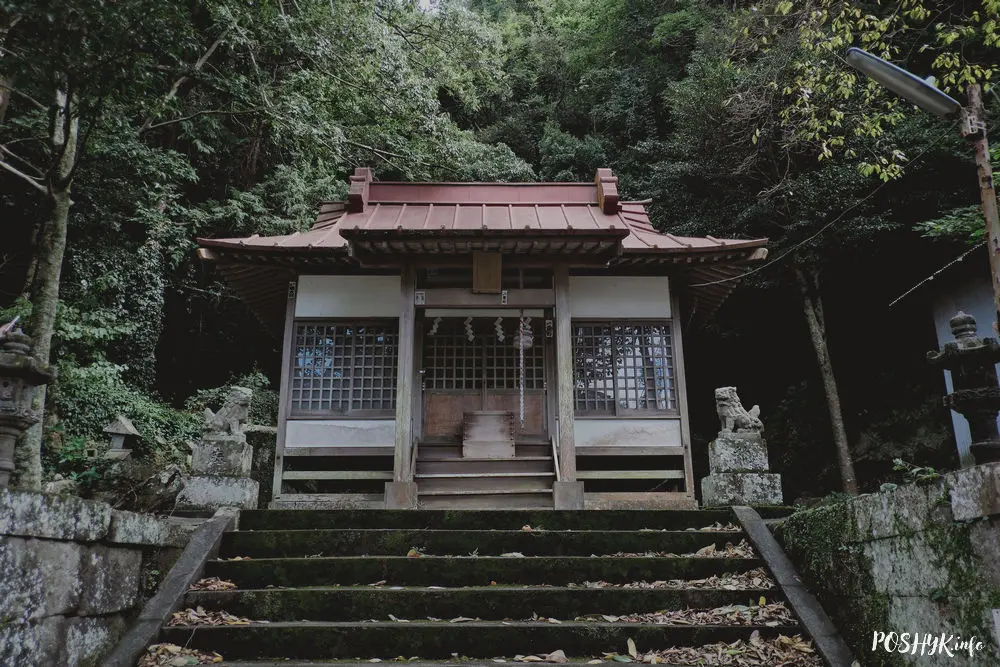
Ryosen-ji Temple: This temple played a pivotal role in Japanese history as the signing site of the Treaty of Kanagawa’s appendix (the Treaty of Shimoda). It also houses a fascinating museum featuring artifacts related to Commodore Perry’s arrival and the opening of Japan.
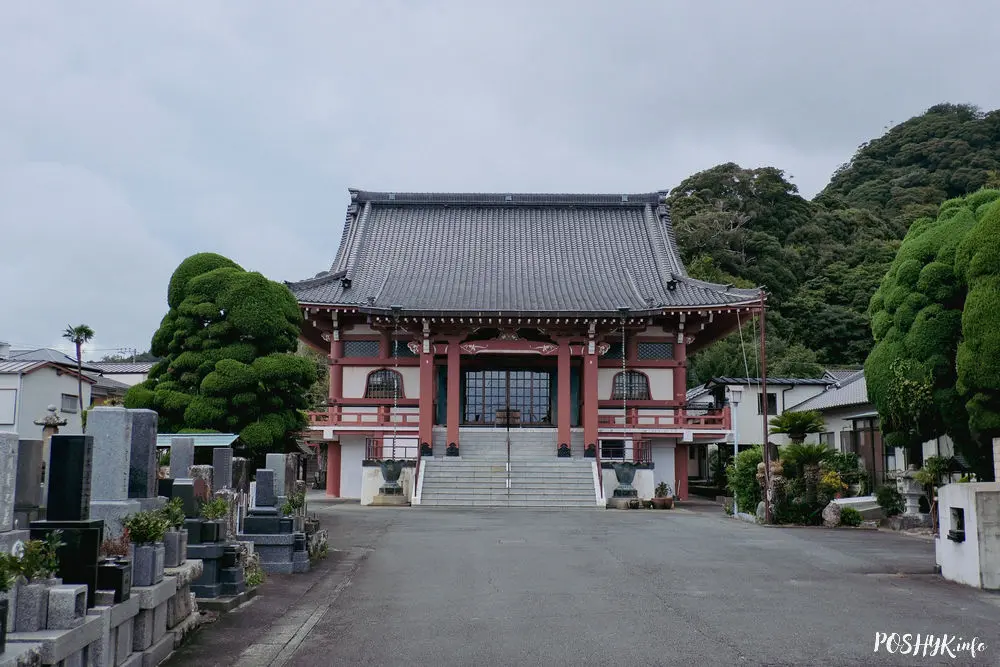
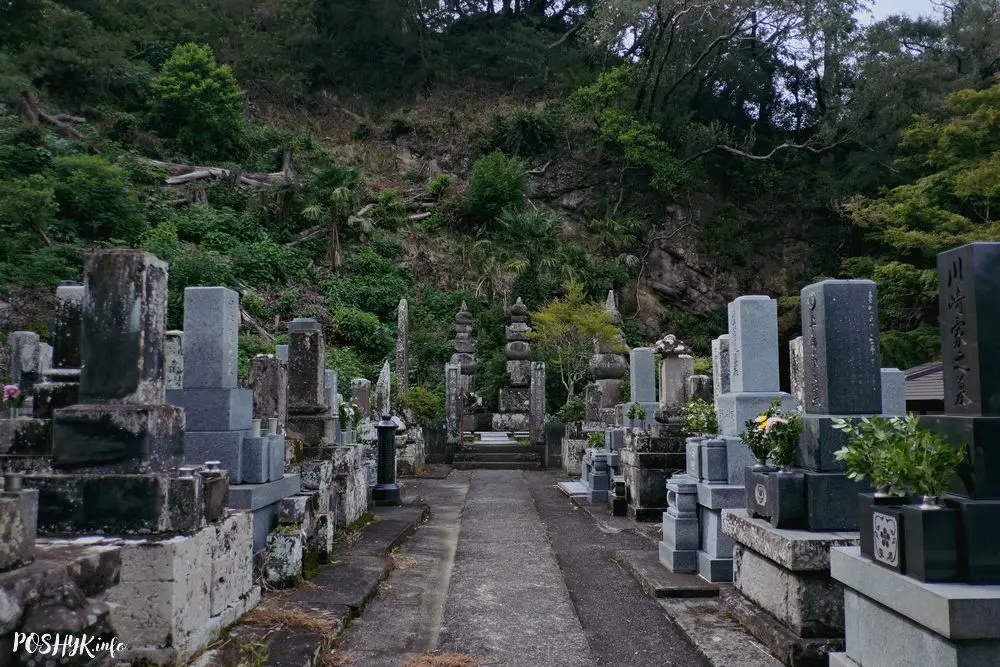
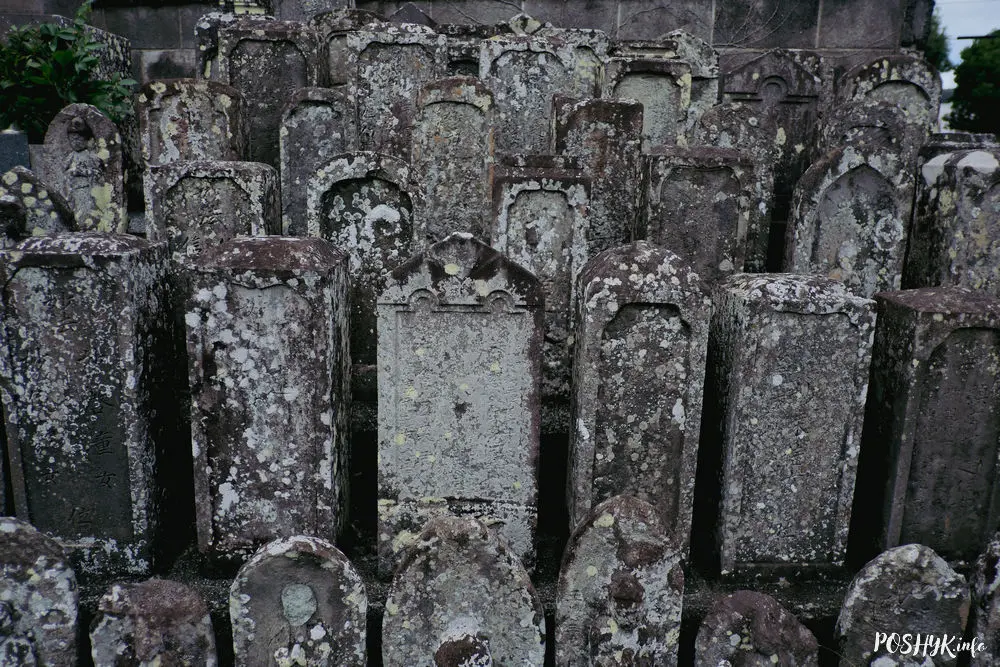
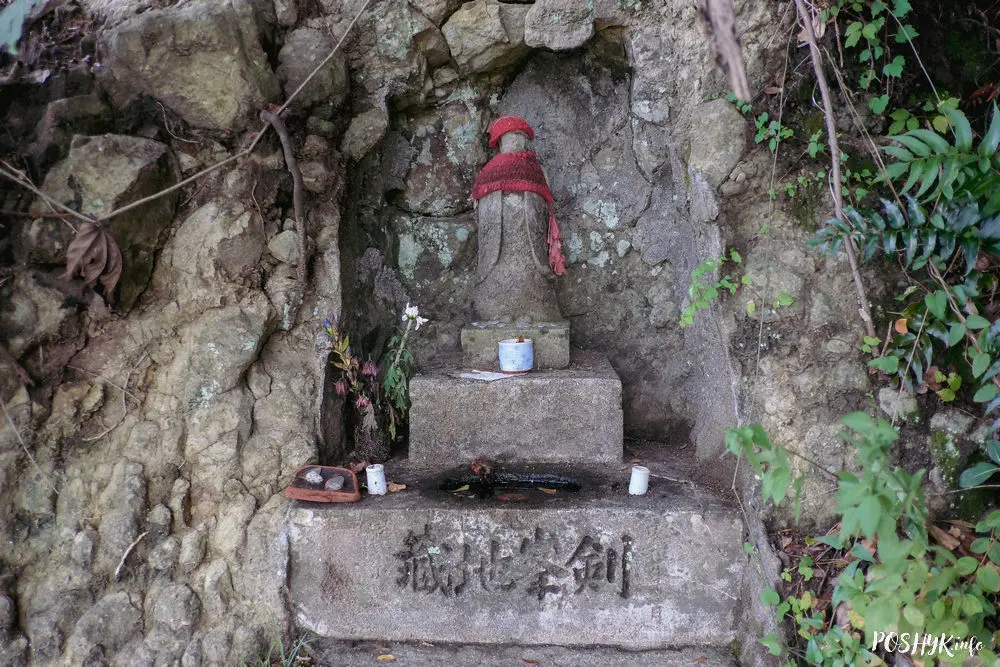
Gyokusen-ji Temple: This historic temple served as the very first American consulate in Japan, hosted by Townsend Harris. It also features a small cemetery dedicated to foreign sailors who passed away during their service in Japan.
Mount Nesugata (Shimoda Ropeway)
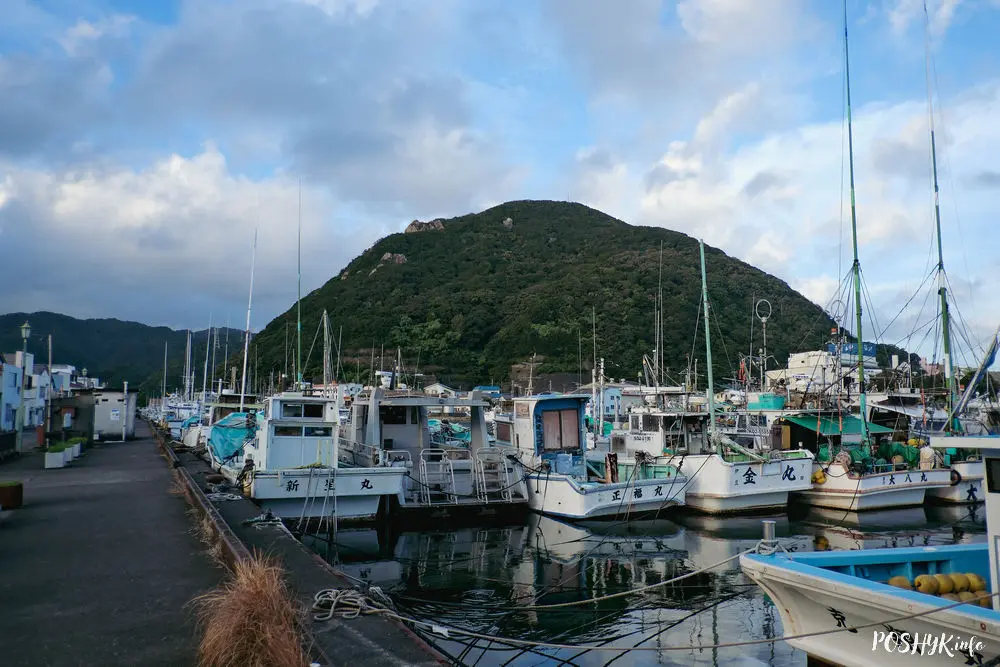
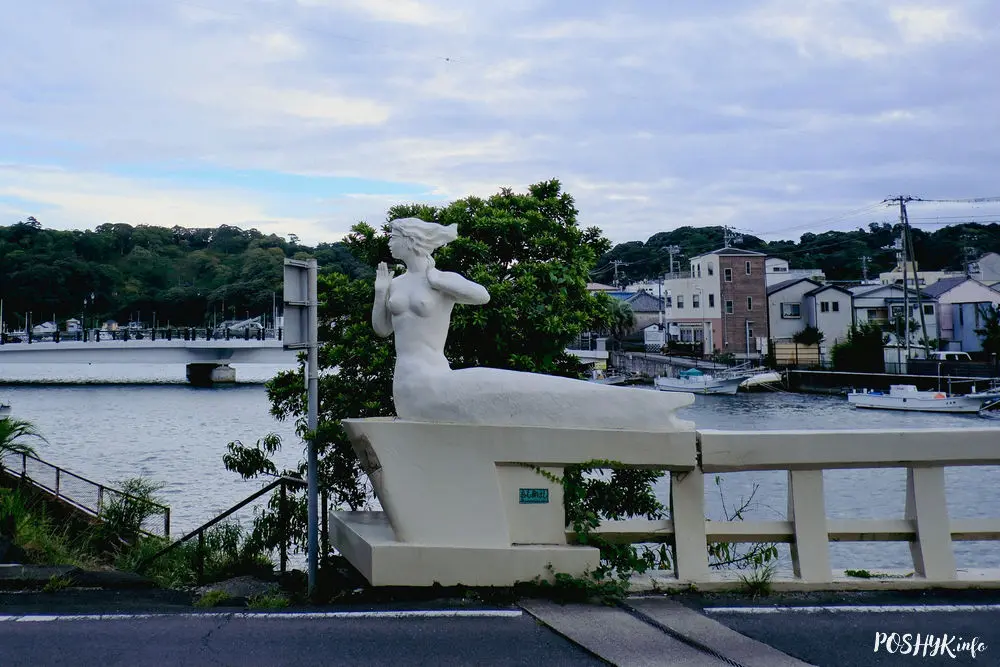
For the best panoramic views of Shimoda and its rugged coastline, take the Shimoda Ropeway (cable car) to the summit of Mount Nesugata. The mountain is named “Nesugata” because its silhouette resembles a sleeping woman. It is a fantastic spot for light hiking, photography, and enjoying a cup of tea overlooking the bay.
Shimoda Park (Ryugu Park)
Perched on a hill overlooking the port, Shimoda Park offers stunning panoramic views of the bay. It is especially popular in June during the Hydrangea Festival (Ajisai Matsuri), when over 3 million hydrangeas bloom simultaneously, covering the hillsides in vibrant shades of blue, purple, and pink.
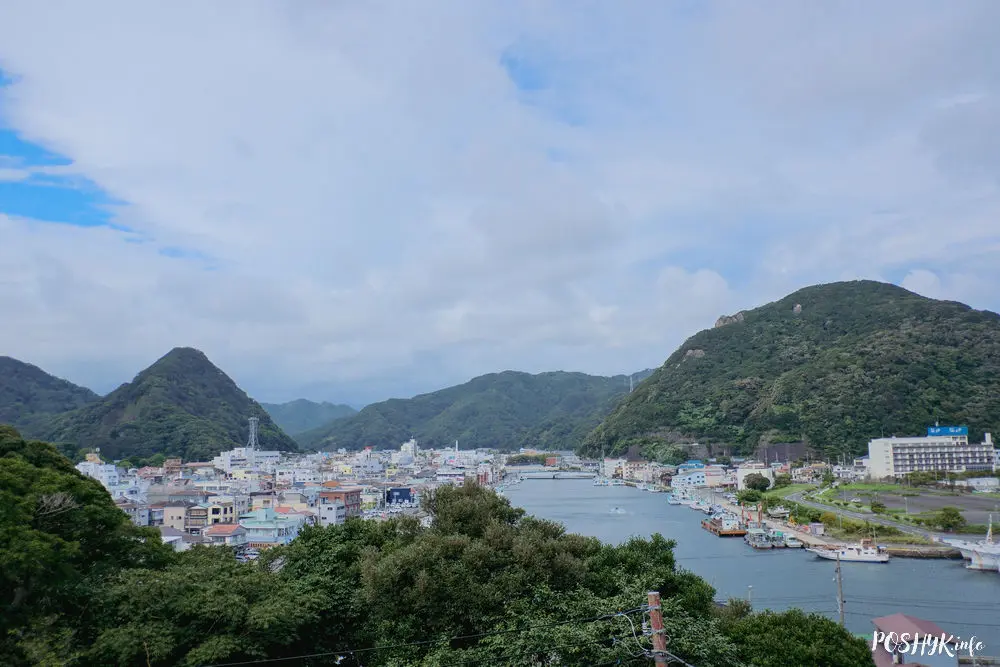
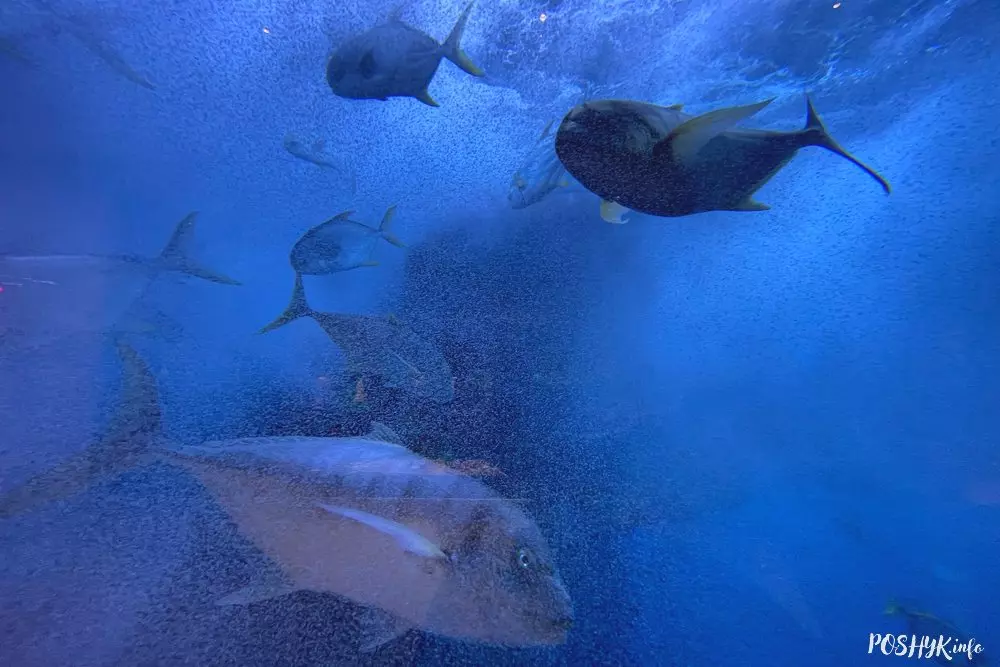
Shimoda Floating Aquarium
Located in a natural cove within the bay, this unique aquarium allows visitors to observe marine life in a semi-natural environment. It is particularly famous for its open-water dolphin shows and interactive programs where you can feed and swim with marine mammals.
The Pristine Beaches of Shimoda
Shimoda is widely regarded as one of the best surfing and swimming destinations near Tokyo. The water here is remarkably clear, and the sand is beautifully white.
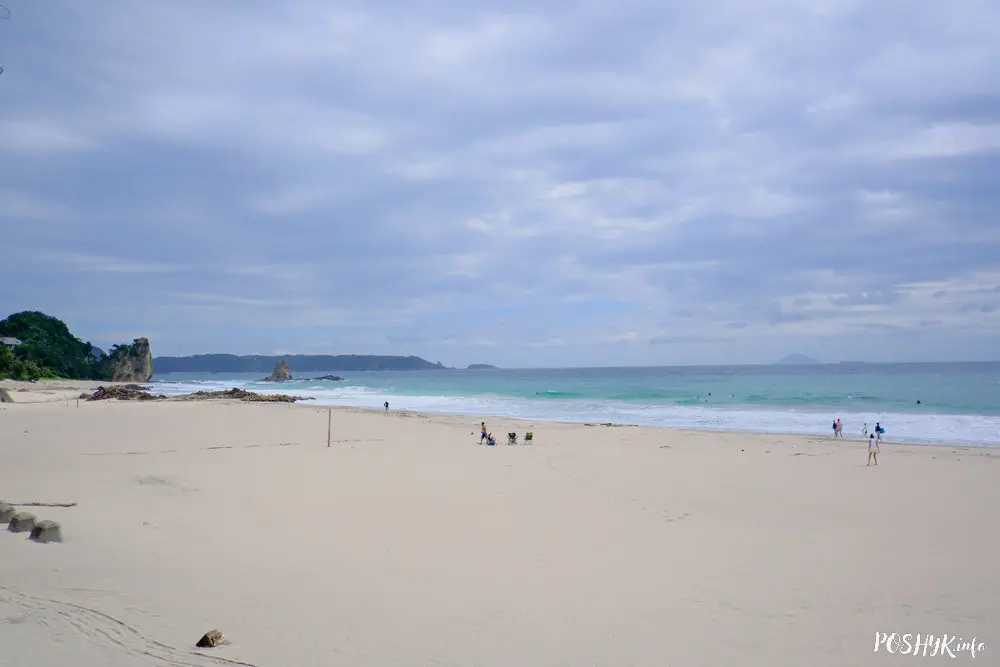
Shirahama Beach: Though not officially in the city center, this is Shimoda’s most famous beach. It is renowned for its iconic red Shinto torii gate standing majestically on a rocky outcrop (Daimyojin Rock) facing the ocean.
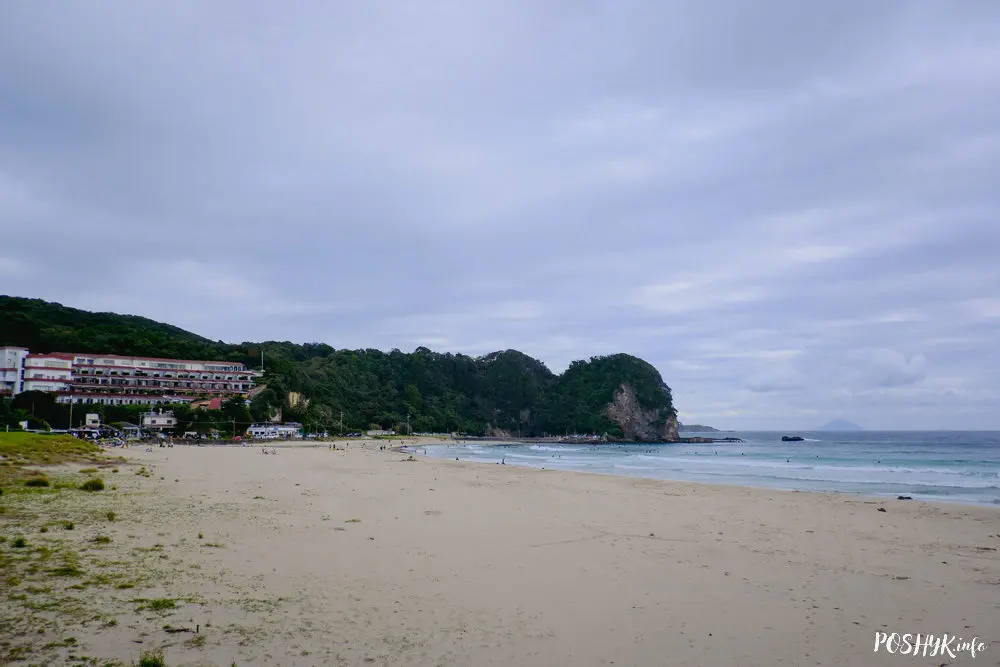
Tatadohama Beach: Located close to the city center, this beach is a legendary hotspot for local surfers and beachgoers.
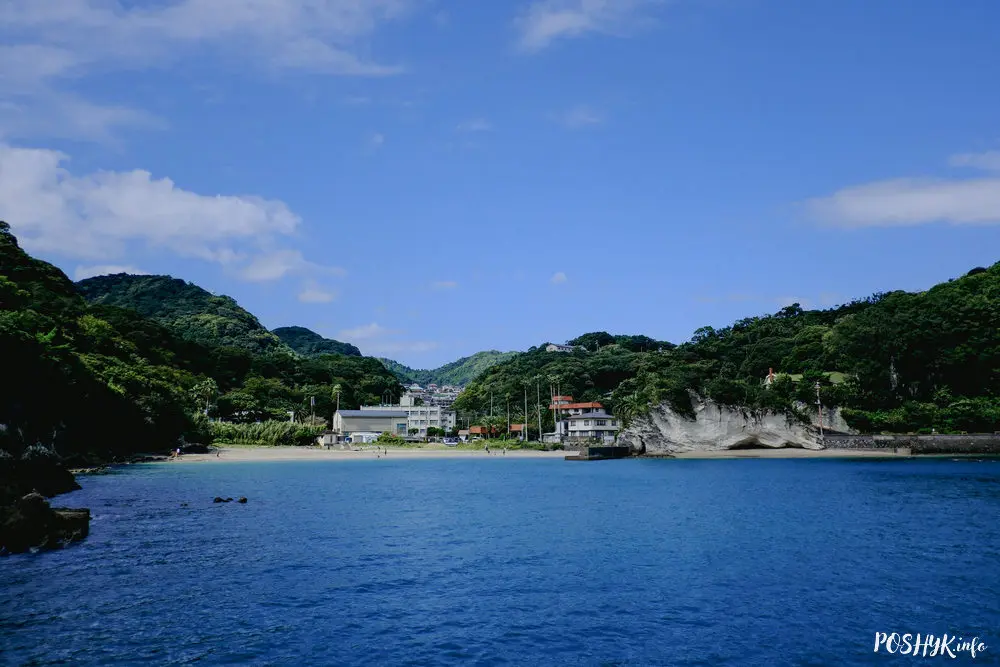
Nabetahama Beach: Tucked away in a quiet cove, this beach has calm, clear waters and white sand, making it highly recommended for swimming and snorkeling.
Irita Beach & Maiiso Beach:These are compact, cozy, and relatively secluded beach bays perfect for those seeking a more relaxed and quiet atmosphere.
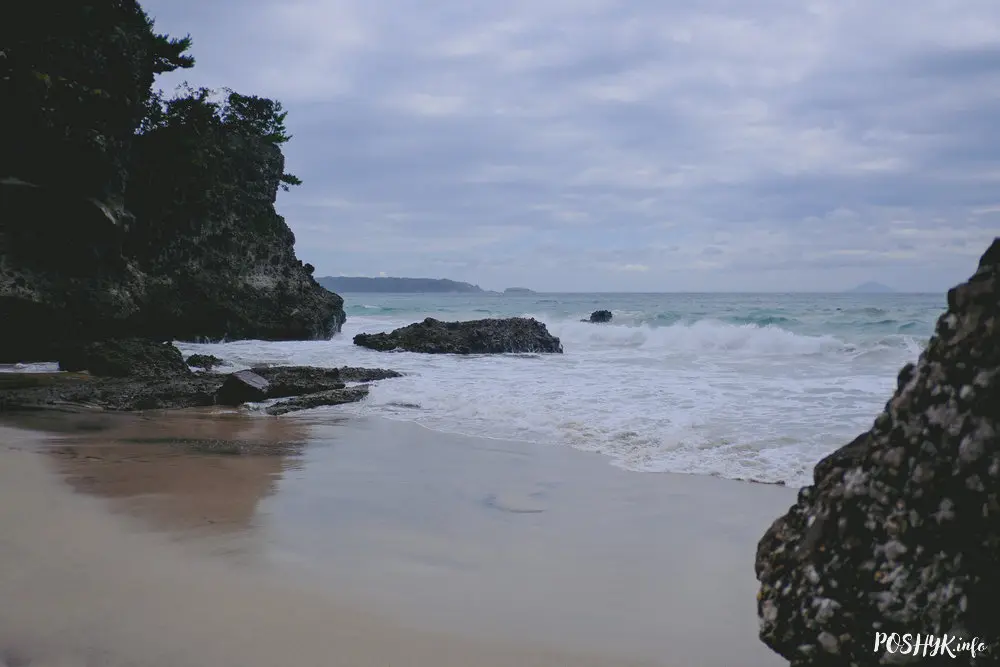
The Shimoda “Shibuya” Crossing
You have likely heard of Tokyo’s legendary Shibuya Crossing. Interestingly, Shimoda has its own miniature analogue. While it obviously lacks the massive crowds of the capital, this zebra crossing near the station has a cool retro look and makes for a fun, quirky photo spot.
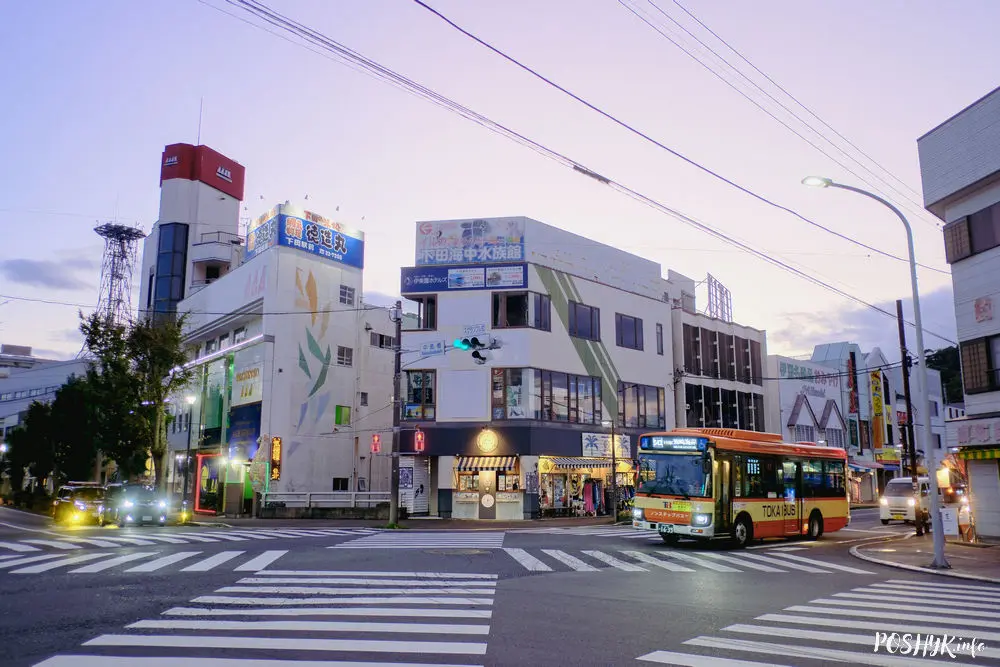
Commodore Perry Monument
Shimoda is best known for its role in ending Japan’s 200-year-old policy of national isolation (*sakoku*). In 1854, American Commodore Matthew Perry arrived in the bay with his “Black Ships,” which eventually led to the signing of the Treaty of Kanagawa. To commemorate this pivotal moment that initiated diplomatic relations between Japan and the United States, a statue of the Commodore stands near the harbor.
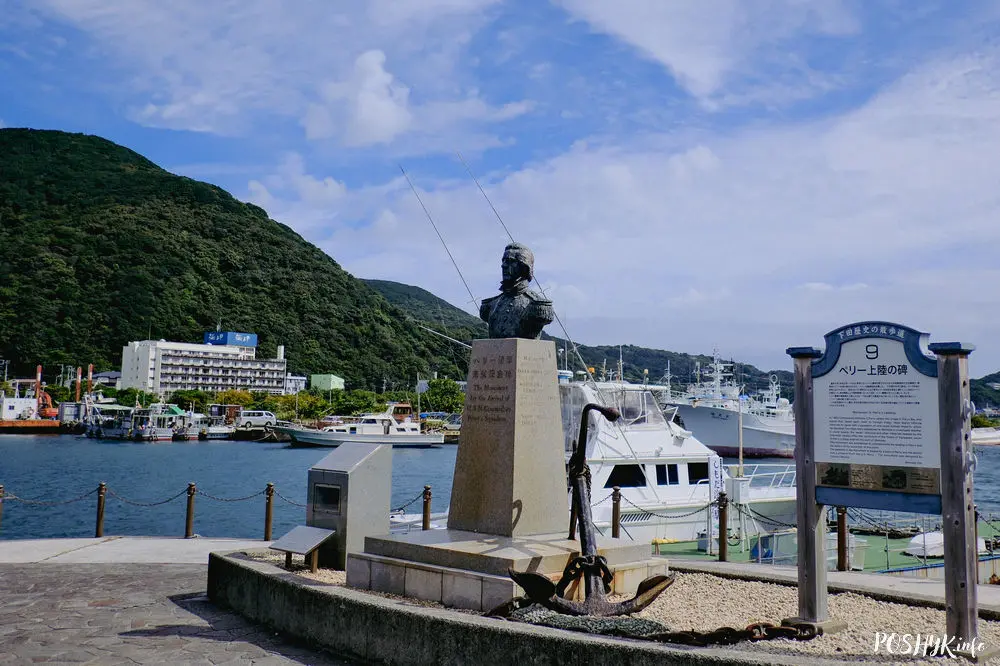
Black Ship Sightseeing Cruise & Museum
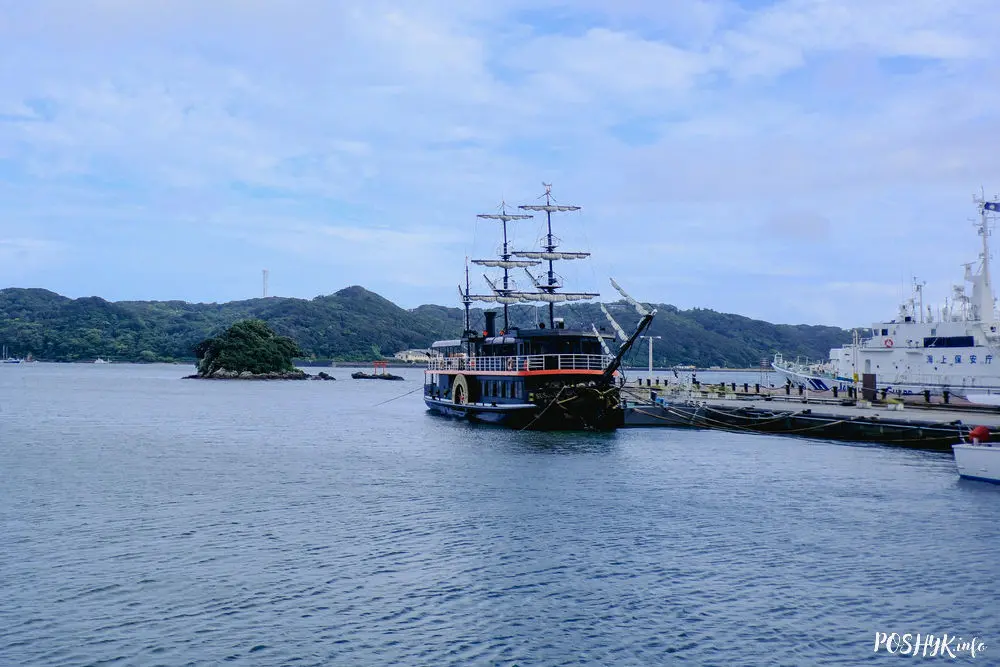
To truly immerse yourself in local history, visit the museum dedicated to Perry’s fleet. Afterward, hop aboard a replica of the “Black Ship” (Kurofune) for a scenic sightseeing cruise along the coast. In calm weather, it is one of the best ways to view Shimoda from the water.
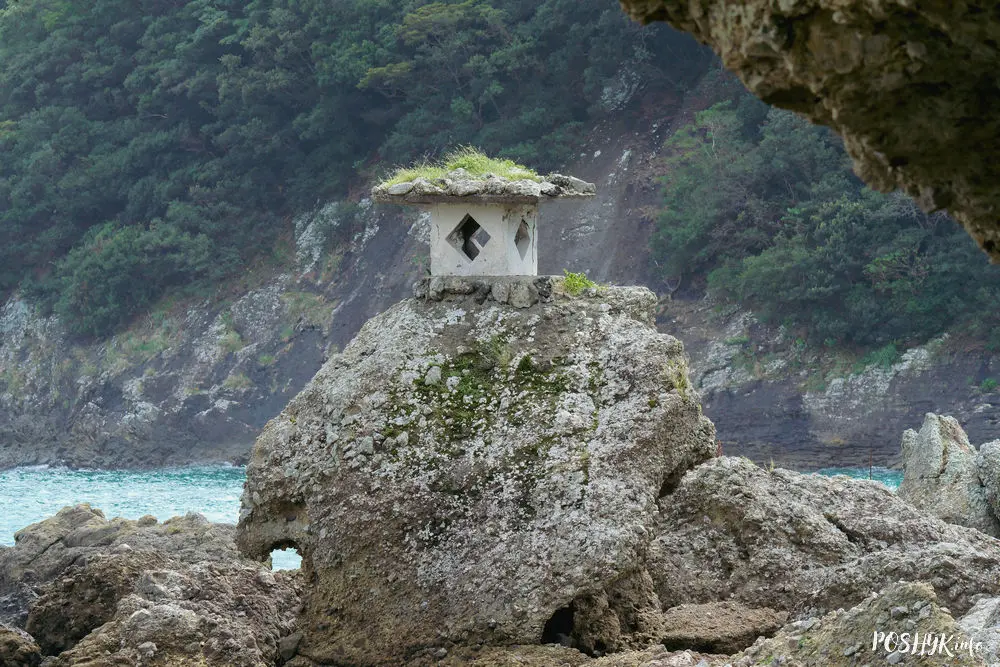
Shirahama Ryugu Island
A short walk along a pier leads to the mystical islet of Shirahama Ryugu. This rocky outcrop is home to nesting cormorants, a small Shinto shrine, and offers gorgeous, unobstructed views of the open ocean.
Island Hopping with Shinshin Kisen Ferry
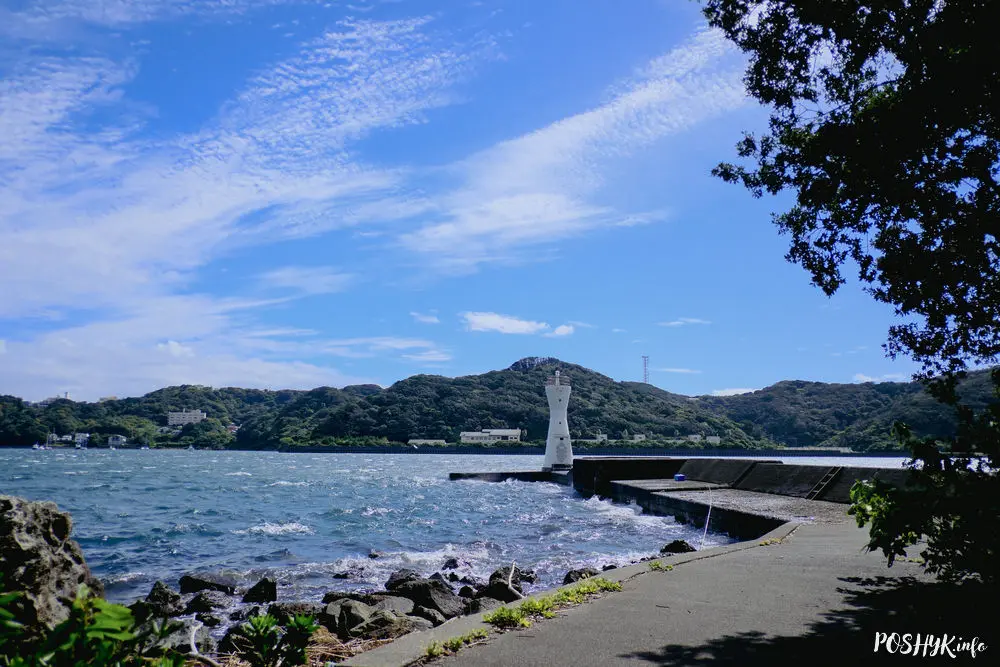
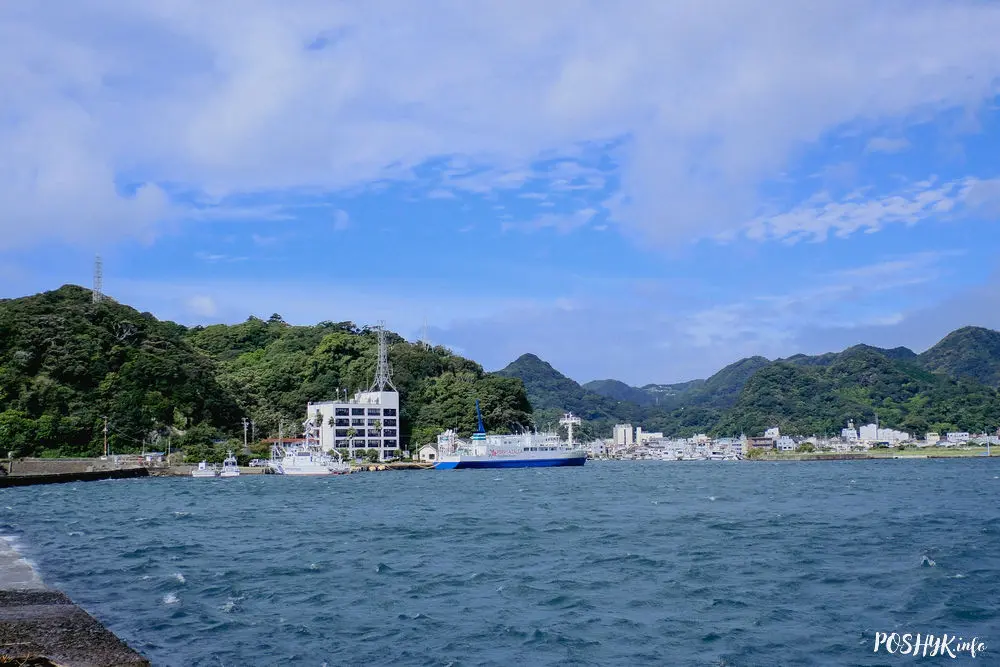
From the Shimoda port, you can catch a ferry operated by the Shinshin Kisen company to visit neighboring islands like Toshima and Kozushima. If you are blessed with good weather, this is a fantastic opportunity to explore the more remote and mysterious side of the Izu Archipelago.
Explore the Protestant Church
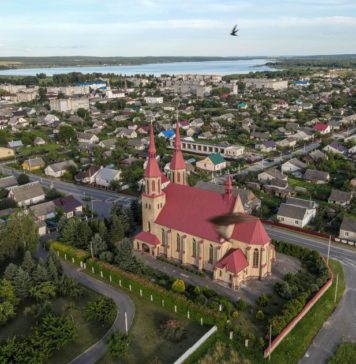
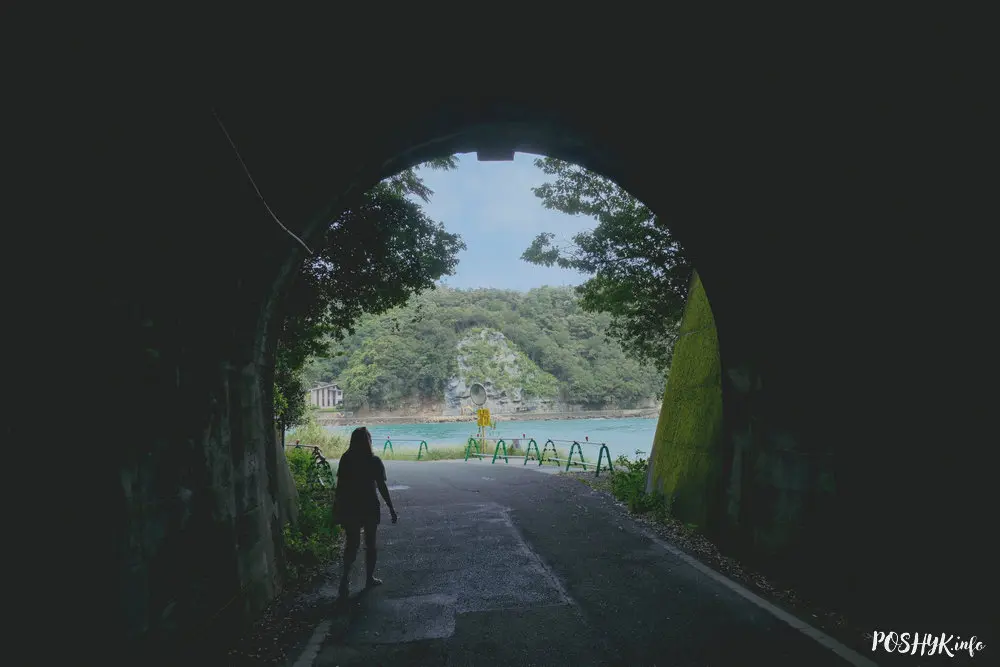
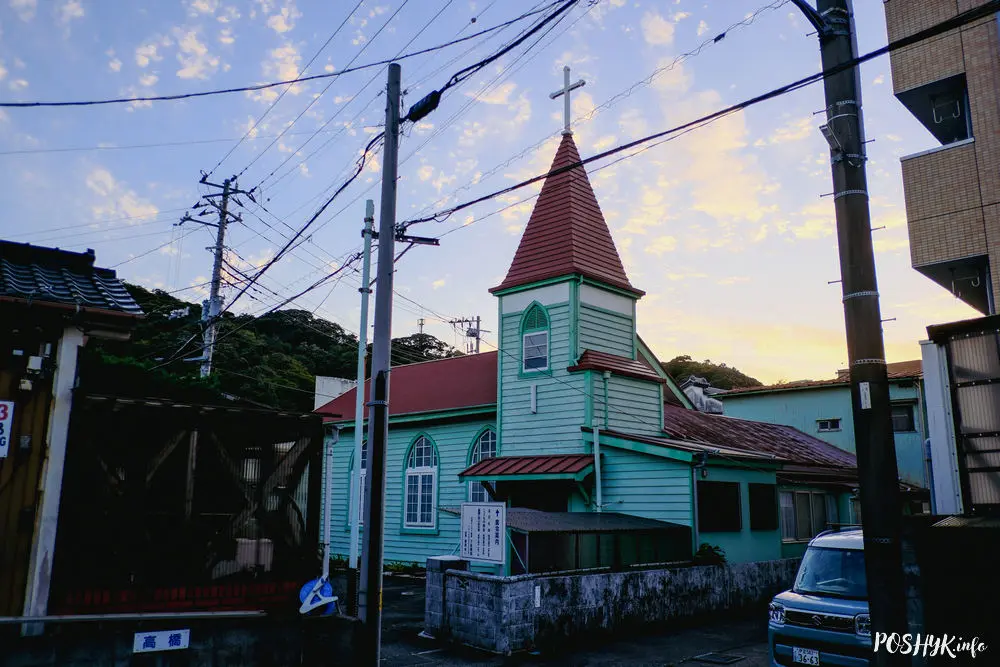
Not far from the city center, a charming mint-green wooden building with a red pointed roof and a cross catches the eye. This is the Shimoda Church, a historic Protestant Christian church that adds to the city’s unique, cross-cultural architectural charm.
A Brief History of Shimoda
During the Edo period (1603–1868), Shimoda was a small fishing village. However, its strategic location at the southern tip of the Izu Peninsula made it a vital port for maritime trade and coastal defense.
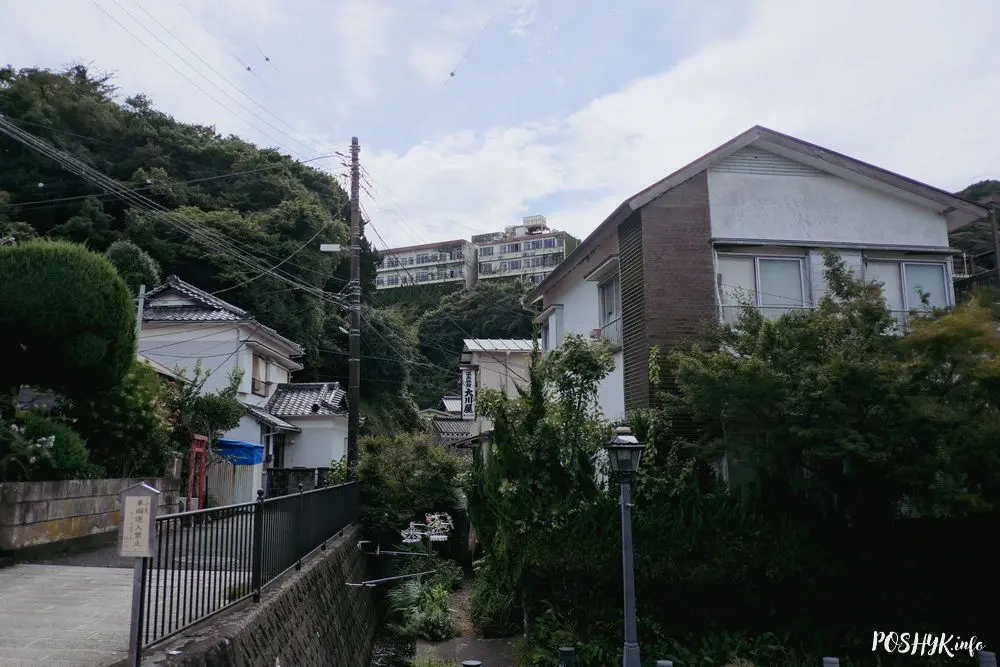
The town’s historical significance skyrocketed in 1854 when Commodore Perry’s arrival forced the opening of Japan. Following the treaty, Shimoda briefly served as the home of the first US Consulate. Today, the town beautifully celebrates this heritage with annual festivals while welcoming travelers as a relaxed seaside resort.
Tips, Transportation, Food, and Hotels
How to Get to Shimoda from Tokyo
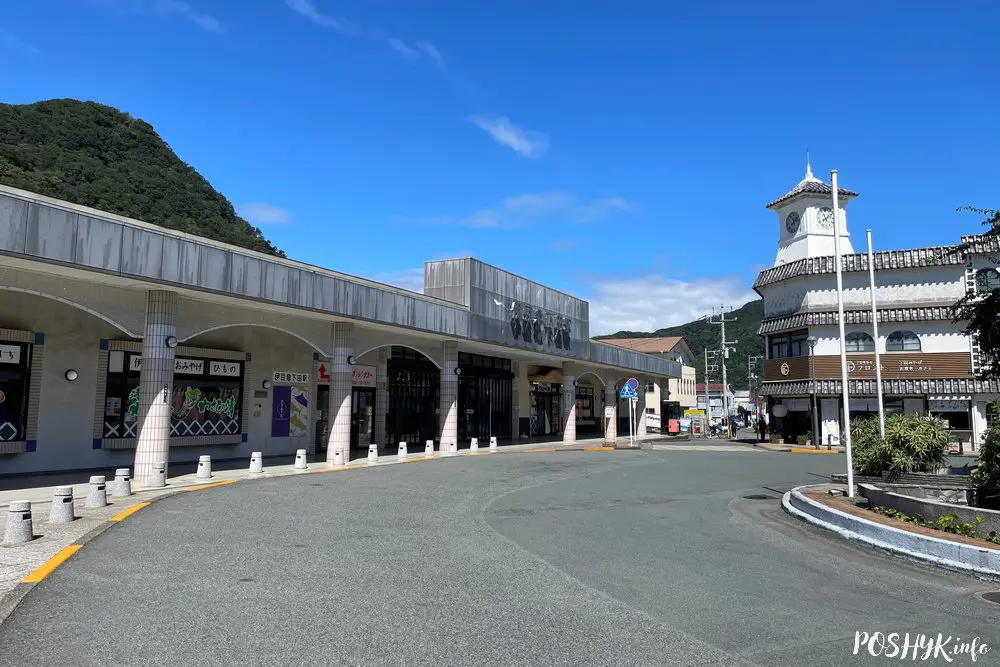
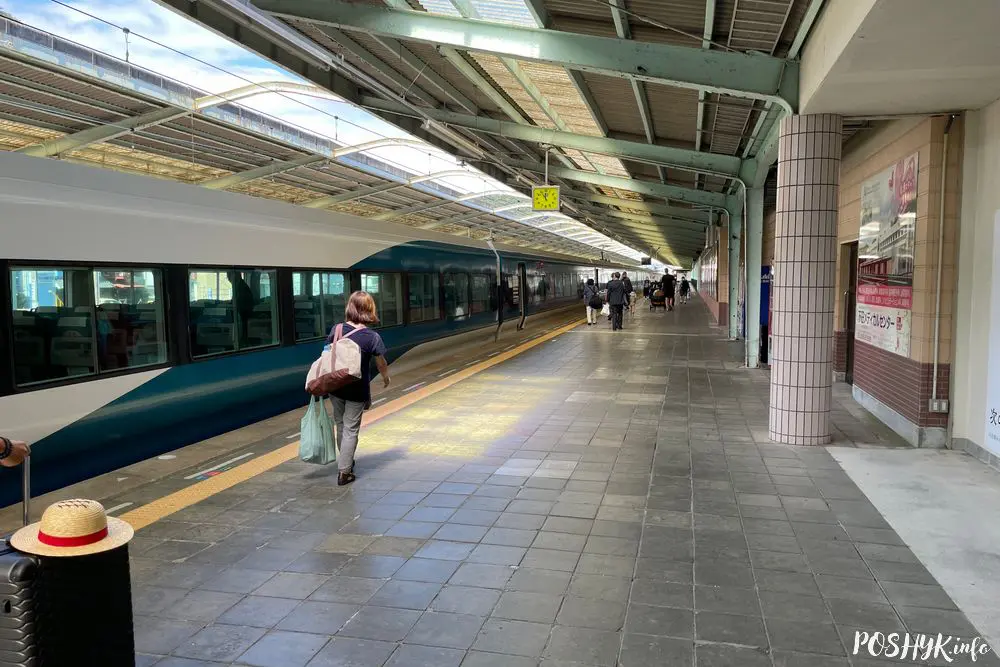
By Train: The most convenient way is to take the JR Odoriko limited express train directly from Tokyo Station to Izukyu-Shimoda Station. The scenic journey takes about 2.5 hours, and a round-trip ticket costs around $75.
By Car: Renting a car in Tokyo or at Odawara Station is another great option. It allows you to easily explore the hidden coves, viewpoints, and coastal roads around the Izu Peninsula at your own pace.
Where to Eat in Shimoda
Shimoda is famous for its exceptionally fresh seafood. You must try Kinmedai (Splendid Alfonsino / Golden Eye Snapper). This bright red deep-sea fish is Shimoda’s specialty and is served simmered in a sweet soy glaze (Kinmedai no Nitsuke), as sushi, or as sashimi.

Where to go: Head to the restaurants around the port or Perry Road to enjoy authentic local sets and fresh seafood bowls (kaisendon).
Where to Stay in Shimoda
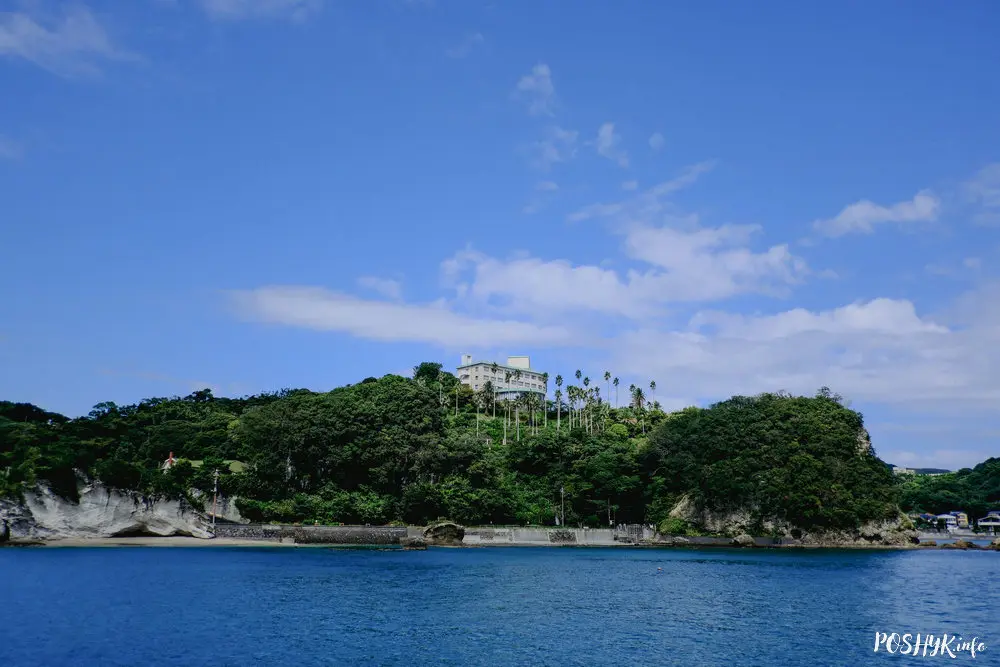
Shimoda offers accommodation options for any budget, ranging from traditional Japanese inns (ryokans) to modern resorts: Shimoda Tokyu Hotel: а fantastic hotel perched on a hill, offering gorgeous ocean views, an outdoor pool, and access to natural hot springs.
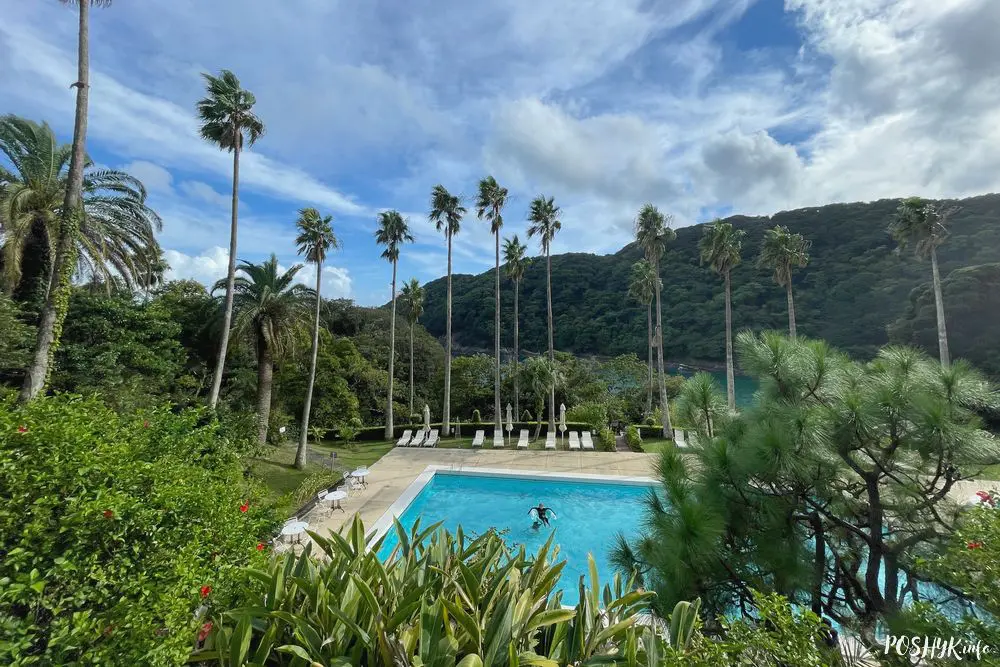
Shimoda Yamatokan: located right on Tatadohama Beach, this traditional-style ryokan features ocean-view rooms, outdoor hot spring baths (onsens*, and exquisite multi-course kaiseki dinners.

Interesting Facts About Shimoda
First US Consul: Townsend Harris, the first American consul to Japan, established his residence at Gyokusen-ji Temple in 1856. Today, the temple grounds host a small museum displaying his personal items.
Hydrangea Capital: The annual Hydrangea Festival in June is spectacular, as over 3 million colorful flowers cover the hills of Shimoda Park.
Onsen Heritage: The entire Izu Peninsula is geothermal. Many of Shimoda’s hotels and traditional guesthouses feature natural hot springs (*onsen*) with stunning ocean views.
Water Sports Hub: Thanks to its exceptionally clear Pacific waters, Shimoda is a premier destination near Tokyo for scuba diving, snorkeling, and surfing.
Ultimately, Shimoda is more than just a typical coastal getaway; it is a rare place where pivotal history and serene ocean vibes seamlessly blend. Only a short journey from the neon-lit streets of Tokyo, it offers a refreshing change of pace where you can slow down, breathe in the salty sea air, and walk the very paths that shaped modern Japan. Whether you are catching waves on its white-sand beaches, soaking in a cliffside onsen, or tracing history along Perry Road, Shimoda provides a warm, authentic, and incredibly relaxing escape. It is a destination that captures the tranquil, gentle side of Japan’s coast – making it a journey that will stay with you long after you leave.