If you’re planning an independent trip to Vietnam, your journey will most likely begin in either Ho Chi Minh City (Saigon) or Hanoi. By the way, despite what some people think, the capital of Vietnam is not Ho Chi Minh City, but Hanoi, located in the north of the country. Having visited both cities, I can confidently say that each of them is worth exploring.
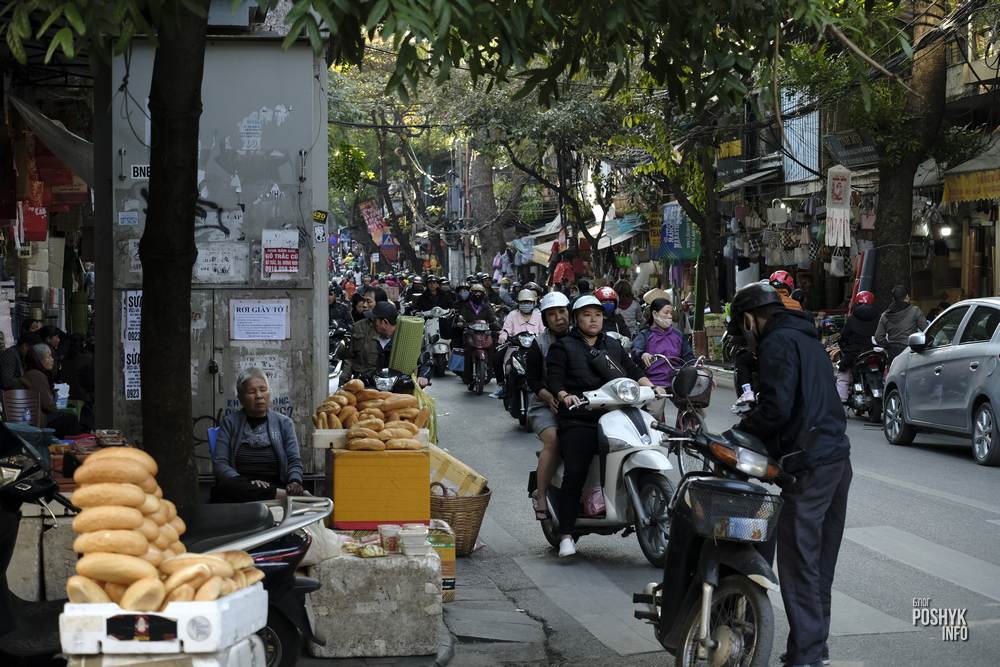
Old Quarter of Hanoi
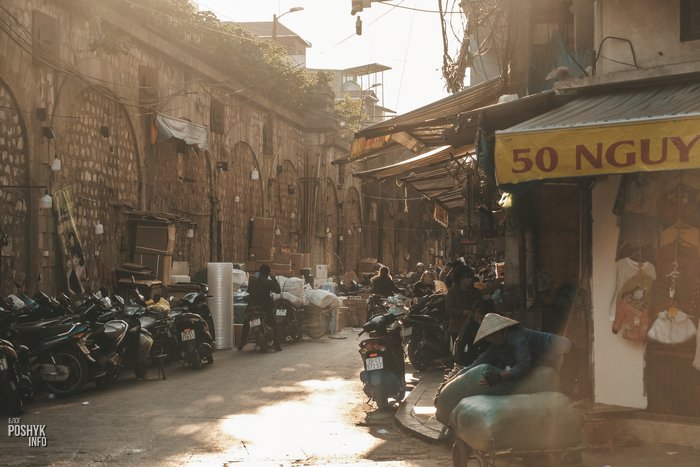
The Old Quarter is one of the city’s main attractions. It’s a place where you can truly feel the spirit and history of Vietnam. Also known as the “36 Streets,” the area is incredibly vibrant and colorful – so much so that you’ll find yourself constantly reaching for your camera.
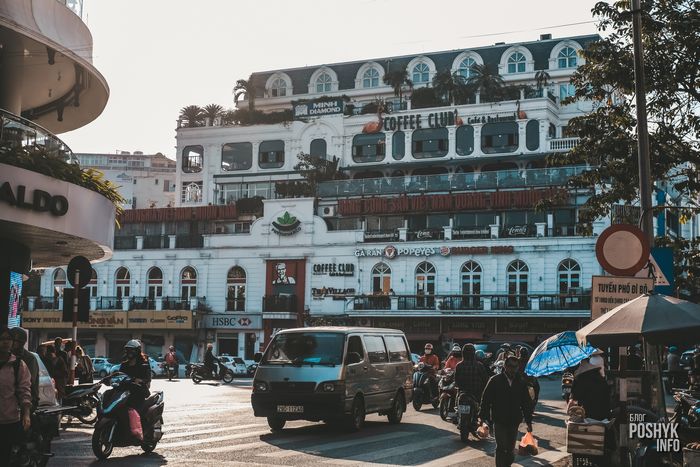
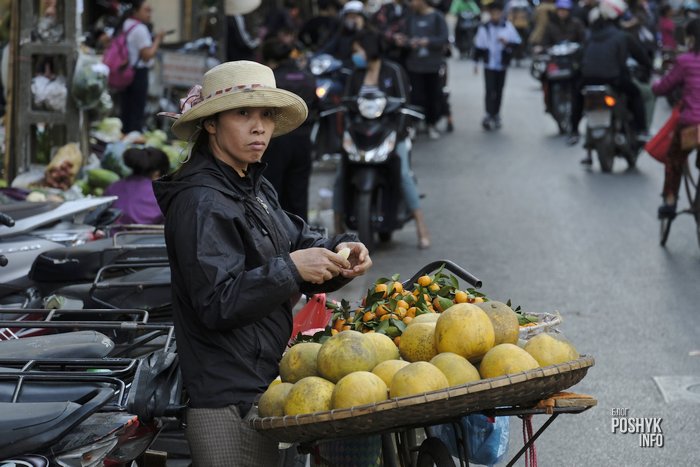
As you wander through the narrow streets, be sure to try traditional Vietnamese cuisine. You’ll also come across local artisans and small vendors selling unique items at very affordable prices.
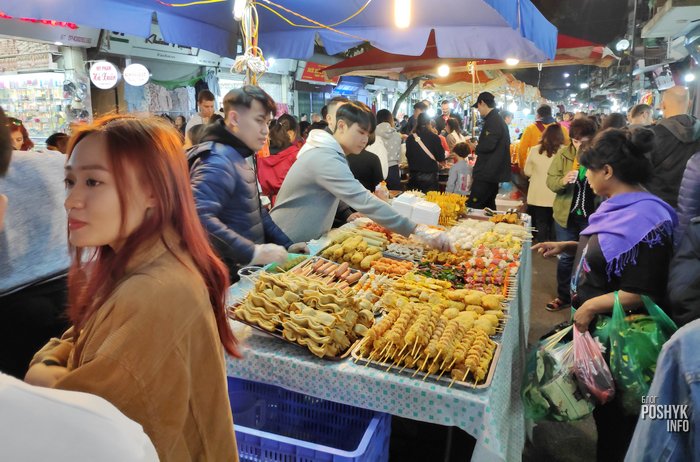
Another advantage of staying in the Old Quarter is its proximity to many of Hanoi’s key sights, including the city’s central landmark – Hoan Kiem Lake.
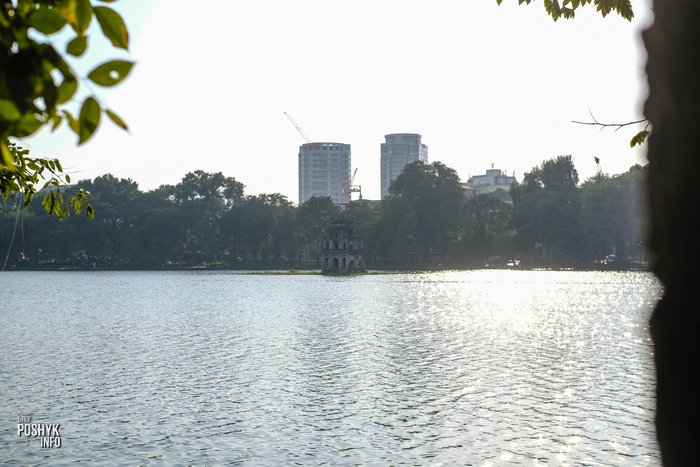
Hoan Kiem Lake, Jade Mountain Temple & The Huc Bridge
Hoan Kiem Lake, also known as the “Green Water Lake” by locals, is the heart of Hanoi. A pleasant park surrounds the lake, and on weekends, nearby streets are often closed to traffic, creating a peaceful space free from the usual swarm of scooters.
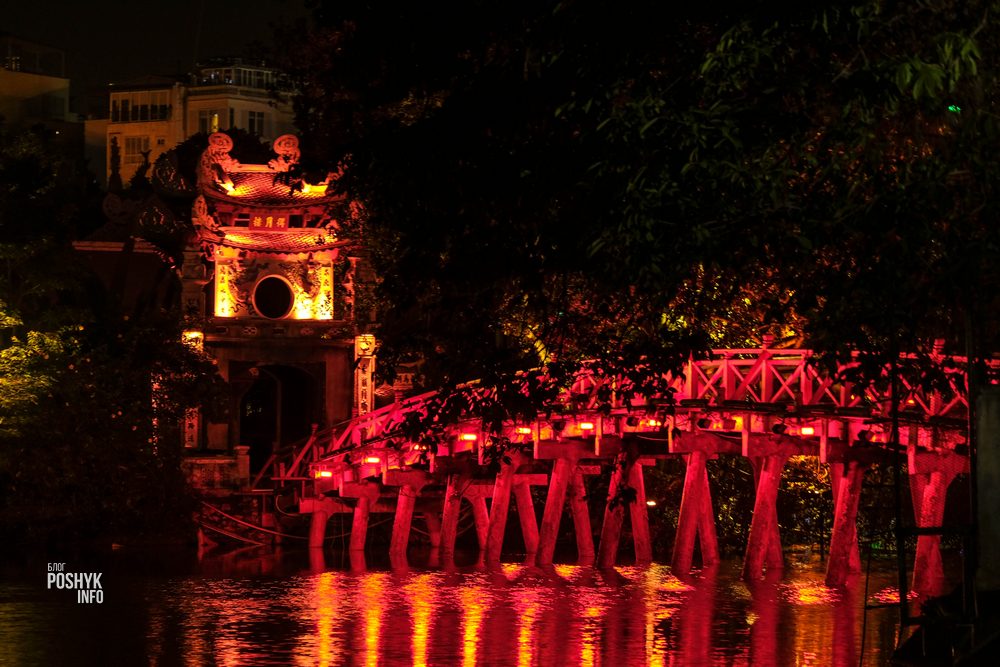
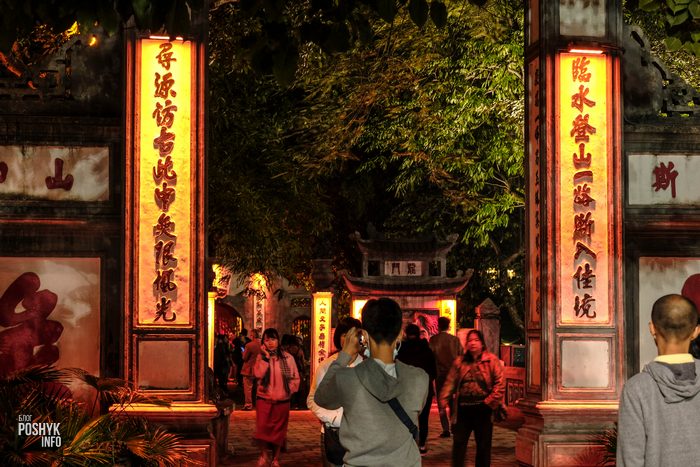
One of the most eye-catching features here is the bright red The Huc Bridge, which is almost always busy. Interestingly, it’s not just tourists who come here – many locals visit as well. The bridge leads to the Jade Mountain Temple, which can be visited during specific hours for a small entrance fee. Keep in mind that it’s a religious site, so modest clothing is required. The temple usually closes around 6:00 PM.
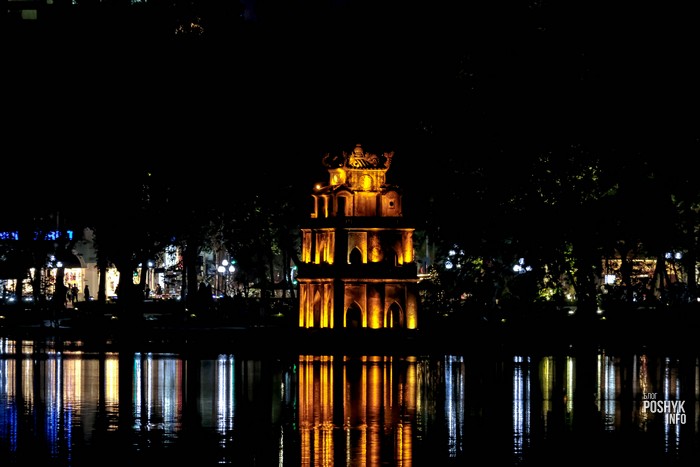
Turtle Tower
Near the center of the lake stands Turtle Tower, another iconic symbol of Hanoi. There’s a beautiful legend associated with this spot, which you can explore in more detail separately. I highly recommend visiting Hoan Kiem Lake both during the day and in the evening – the atmosphere changes completely, offering two very different but equally memorable experiences.
Ho Chi Minh Mausoleum
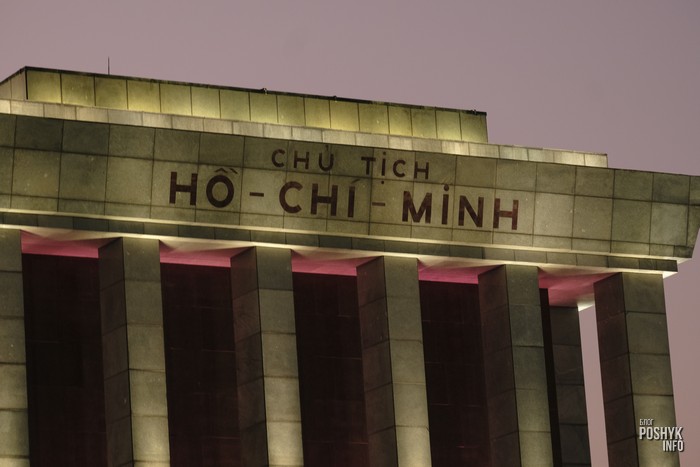
One of the most important landmarks in Hanoi is the Ho Chi Minh Mausoleum, dedicated to the first president of Vietnam and leader of the revolution, Ho Chi Minh (born Nguyen Sinh Cung).
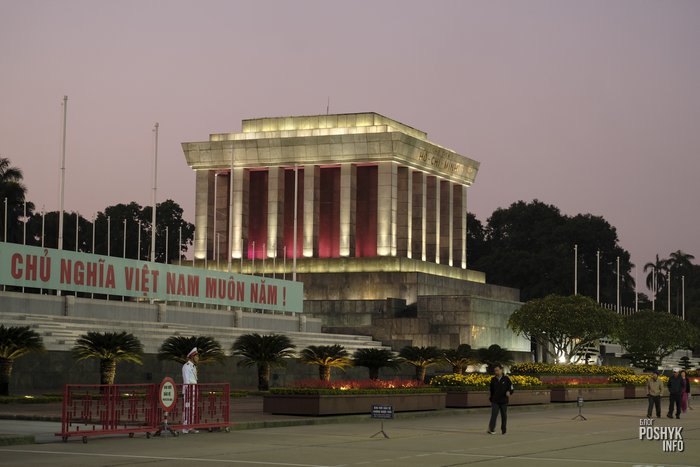
The mausoleum stands on Ba Dinh Square, a historic site where Vietnam’s independence was proclaimed in September 1945. It’s no surprise that this location was chosen to honor the country’s most important political figure.
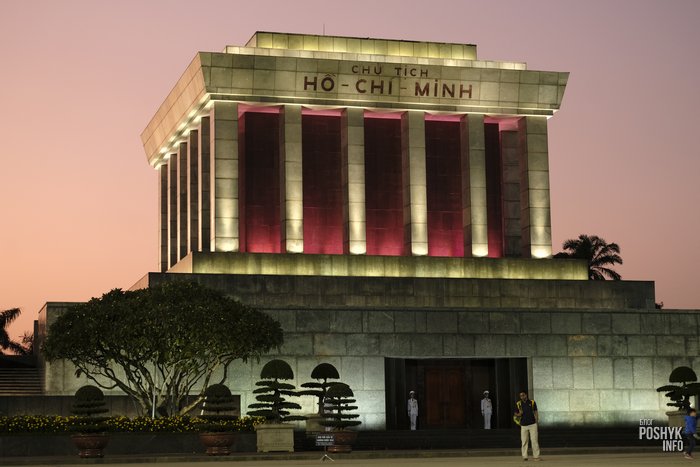
Although Ho Chi Minh passed away in 1969 and wished to be cremated, the government decided otherwise. With the help of Soviet experts, his body was embalmed and preserved. Due to the ongoing war with the United States, the body was hidden for several years and only publicly displayed after the war ended in 1973.
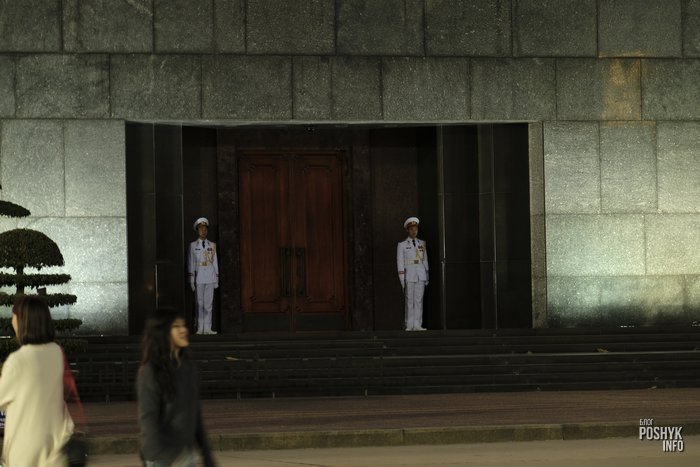
The mausoleum was designed with the involvement of architect Harold Isakovich, who had previously contributed to another famous mausoleum project. Construction was completed in 1975.
Tran Quoc Pagoda
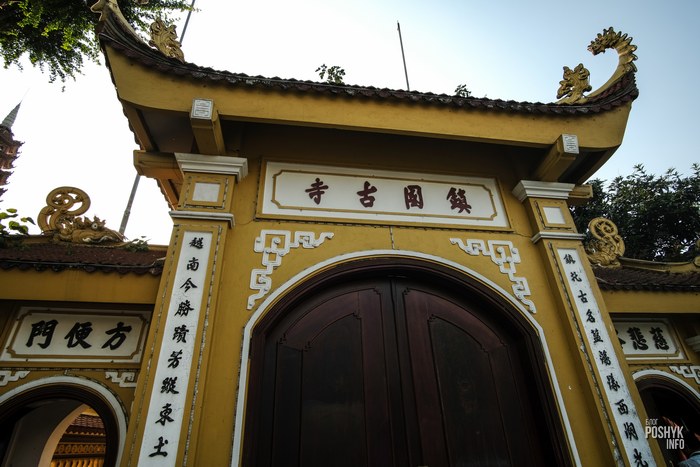
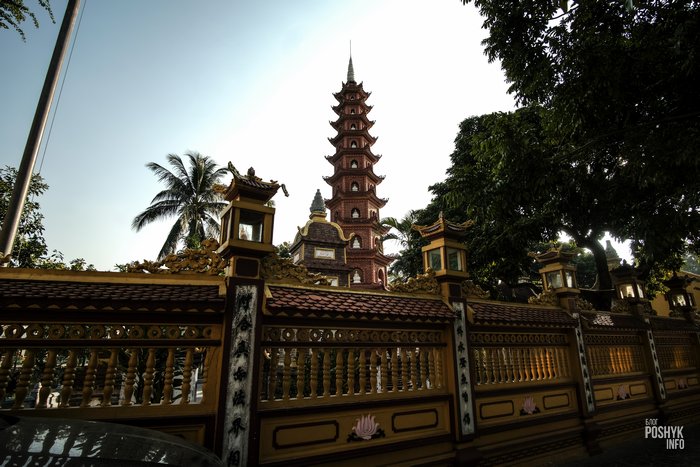
While exploring Hanoi, you’ll come across many pagodas. Some are small and easy to miss, but others are truly impressive. One of the most remarkable is Tran Quoc Pagoda – the oldest temple in the city.
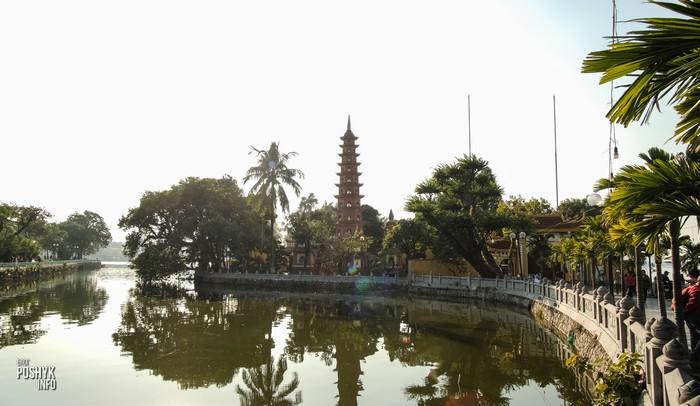
The pagoda is open daily from 8:00 AM to 4:00 PM and can be visited free of charge. It’s a popular tourist spot, so expect crowds. As with all religious sites in Vietnam, modest clothing is required – avoid shorts, short dresses, and revealing outfits.
Hanoi Citadel
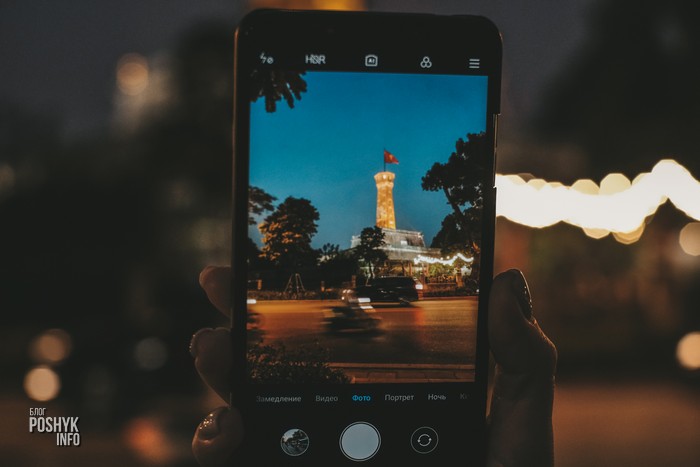
Even if you don’t plan to visit the Imperial Citadel of Thang Long, you’ll likely notice it while exploring the city. One of its most recognizable features is the 30-meter-high Flag Tower, located near Lenin Square.
Long Bien Bridge Hanoi
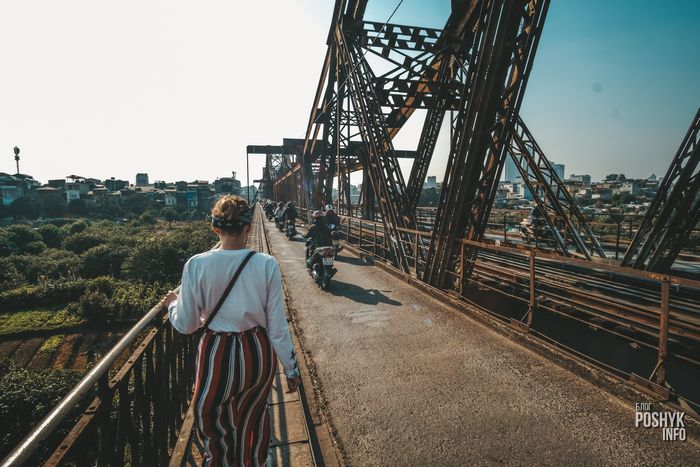
Another unique landmark is the Long Bien Bridge. It’s notable for several reasons. First, it was designed by the famous French engineer Gustave Eiffel – the same man behind the Eiffel Tower. Secondly, the bridge has survived a long and turbulent history.
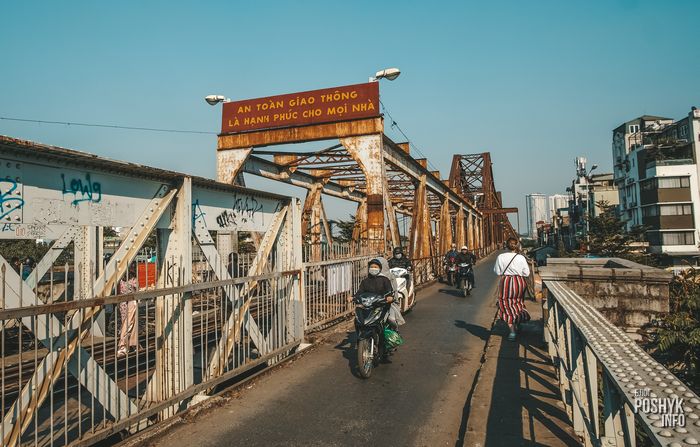
It played a crucial role as a transportation link, including connections toward China, and was heavily bombed during the Vietnam War – in 1967 and again in 1972. Despite the damage, the Vietnamese managed to restore it. While its appearance has changed over time, much of the original French metal structure remains. Today, the bridge may look worn and even a bit intimidating, but locals still use it daily, often navigating it in their own unique and chaotic way.
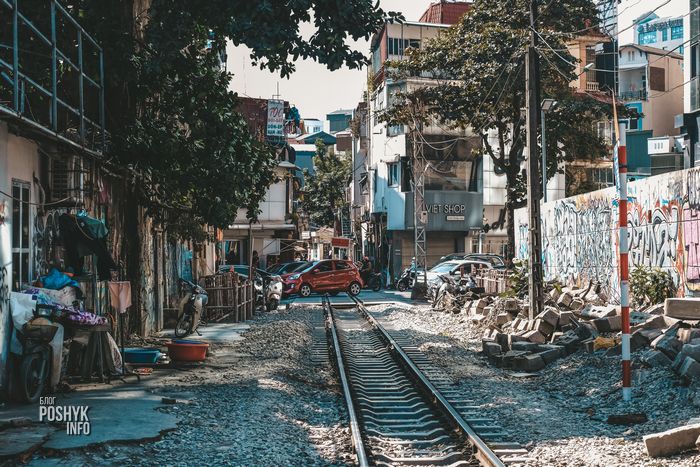
Before visiting Hanoi, I had a list of must-see places, and one of them was the famous Hanoi Train Street – a narrow street where trains pass just inches from residential buildings. I spent quite a bit of time researching train schedules and the best times to visit. However, when I arrived, I was told that trains no longer regularly pass through this section. That seems to be true, as the area is now blocked off with barriers and fences. Is it disappointing? A little – but not entirely. The place still has a unique atmosphere, and who knows – by the time of your visit, train access might reopen.
Ha Long Bay Hanoi
Although Ha Long Bay is not located directly in Hanoi, it’s one of the top destinations to visit from the capital. If you’re in Hanoi, I highly recommend adding it to your itinerary. Tours to the bay typically start from around $30 per person, with options ranging from day trips to 2-3 day cruises.
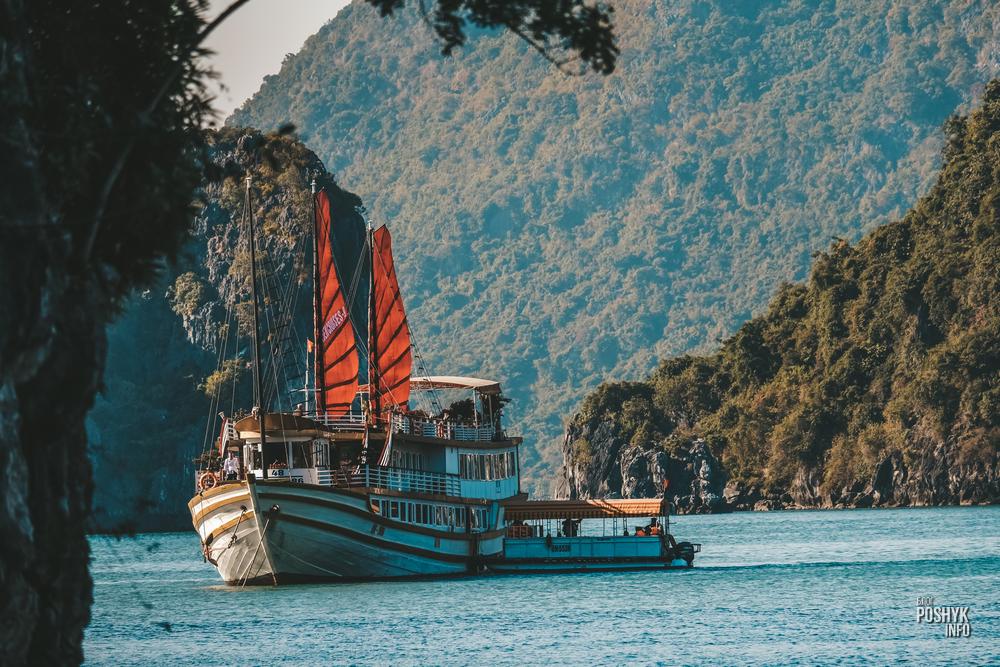
You’ll find plenty of agencies around the city offering excursions with transfers included. Booking online is also a great option – it allows you to compare real reviews, see transparent pricing, and plan everything in advance.
Sapa
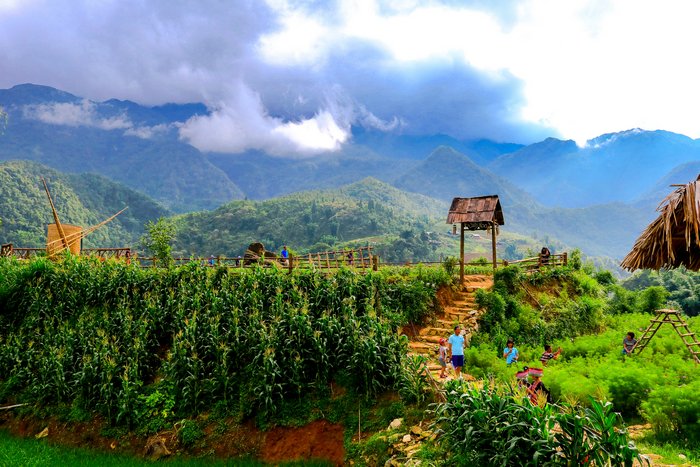
Another must-see destination near Hanoi is Sapa, famous for its breathtaking terraced rice fields often seen in travel photos and videos. Sapa is located quite far from Hanoi, so most tours include an overnight stay or overnight travel. Multi-day trips (2 days or more) are the most popular option. Prices vary depending on comfort level, but basic packages usually start from around $40.
Lenin Square
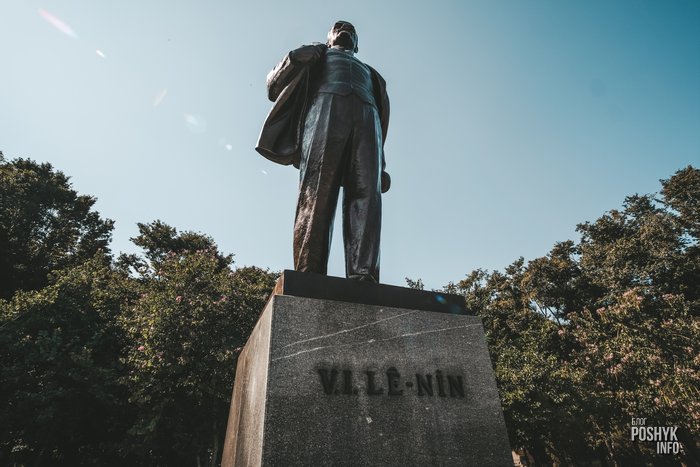
In the center of Hanoi, you’ll find Lenin Park, reflecting Vietnam’s communist history.
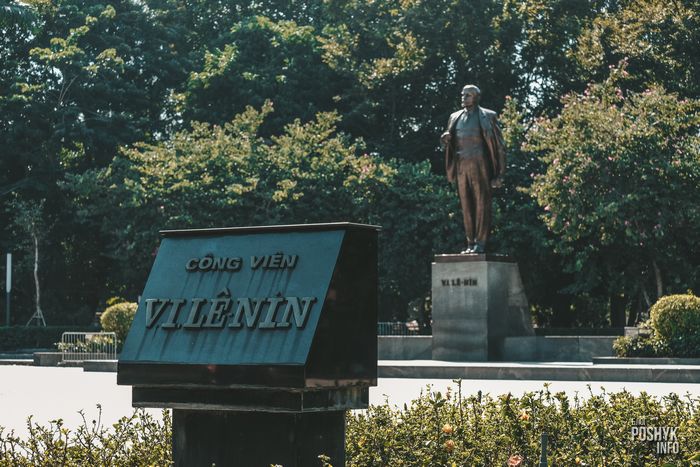
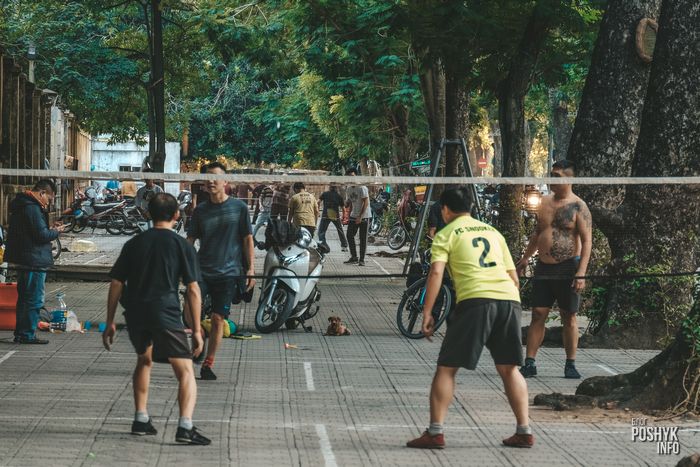
It’s located near the citadel and is a popular gathering spot for local youth, as well as a place where you might come across some unusual local games and activities.
Museums in Hanoi
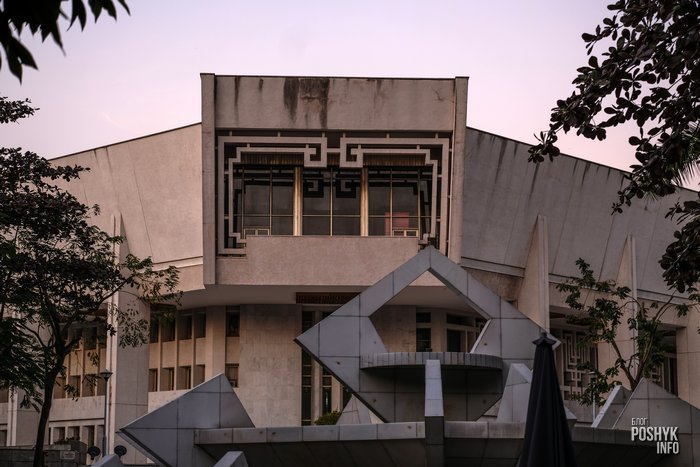
Hanoi offers a wide selection of museums, and whether to include them in your itinerary is up to you. If you’re interested in history and culture, here are a few popular options:
Vietnam Museum of Ethnology
Hoa Lo Prison (often referred to as the “Hanoi Hilton”)
Ho Chi Minh Museum Vietnam
Military History Museum
Street Art Hanoi
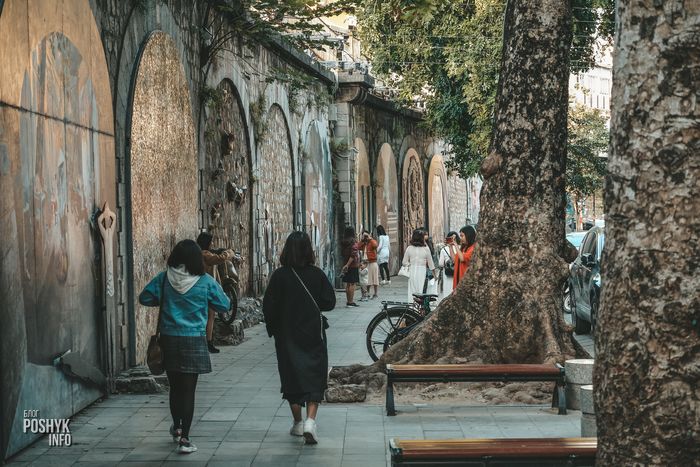
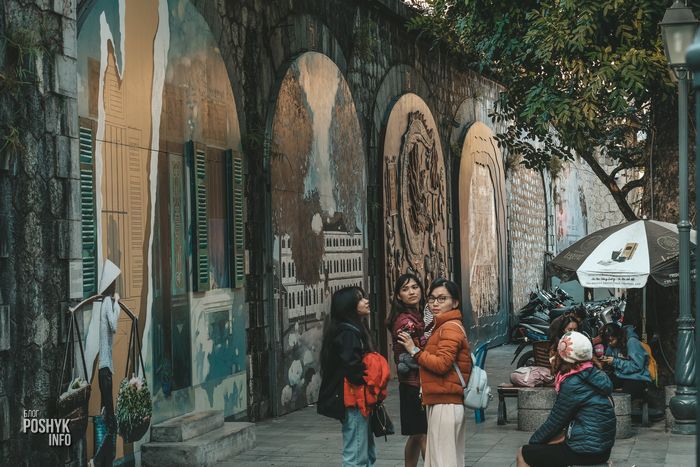
Hanoi also has a street dedicated to local street art, featuring murals of various sizes united by the theme of traditional Vietnamese life. It’s not a very touristy spot, so you won’t find large crowds here – but if you have time, it’s definitely worth adding to your list.
Hanoi: Attractions All Around You
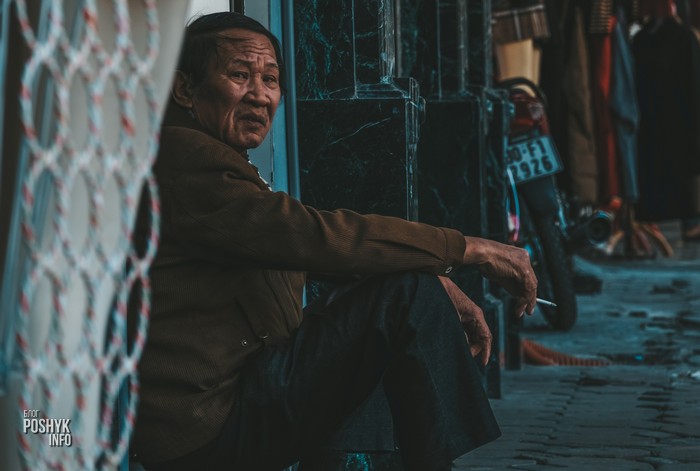
Beyond the main sights, Hanoi itself is full of small details that make the city special: People – The Vietnamese are fascinating to observe. Everyday life here is vibrant and full of character, so take time to simply watch and experience it.
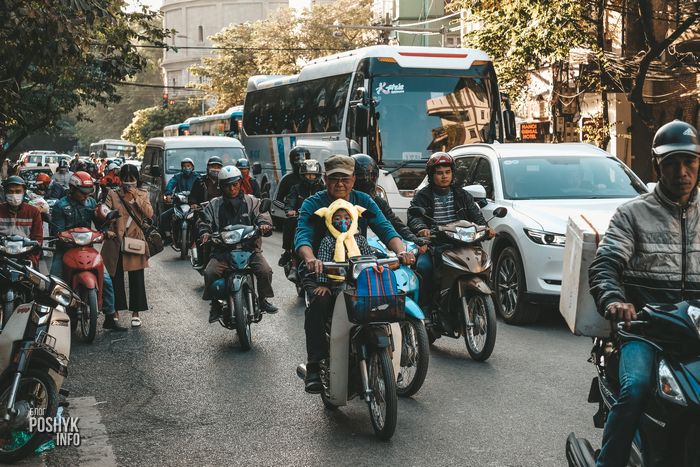
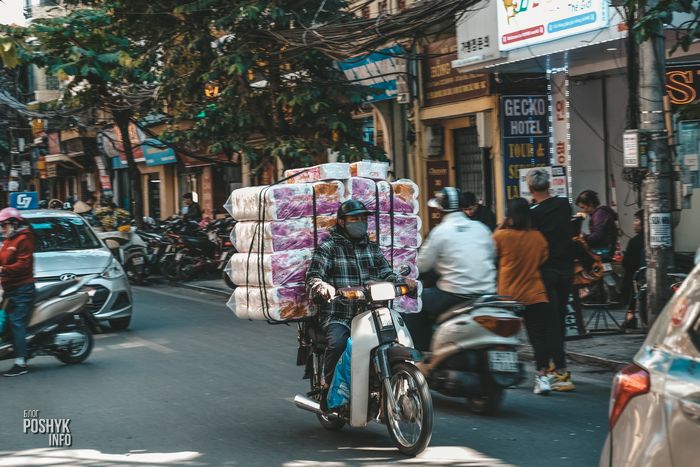
Scooters everywhere – Vietnam is famous for its endless поток of motorbikes. You’ll be amazed at how locals manage to transport entire families – and all kinds of cargo—on a single scooter.
Communist-style monuments – You’ll see them all over the city, combining familiar Soviet-style elements with distinct Asian influences.
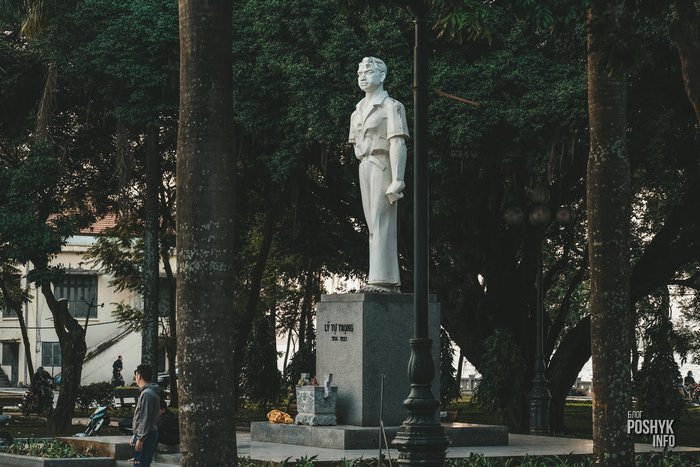
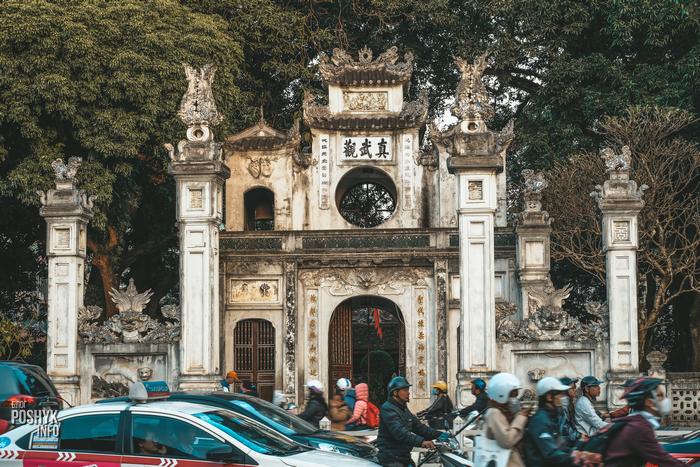
Pagodas – There are countless small temples scattered throughout Hanoi. Even if they’re not as famous as Vinh Trang Pagoda, they offer a peaceful and authentic atmosphere.
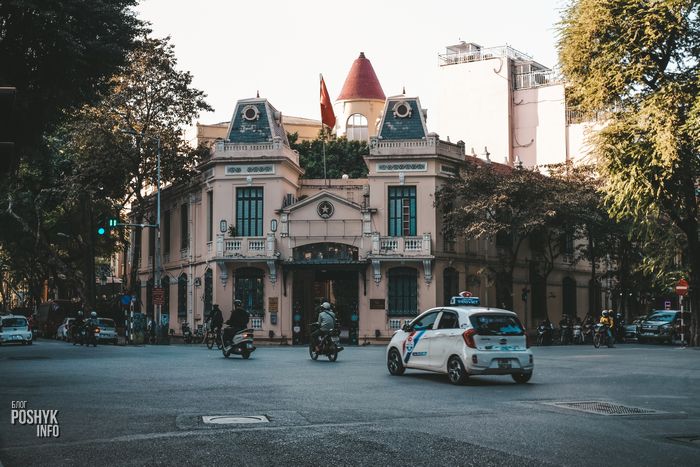
French architecture – The city still preserves many buildings from the colonial period, adding a unique European touch to its streets.
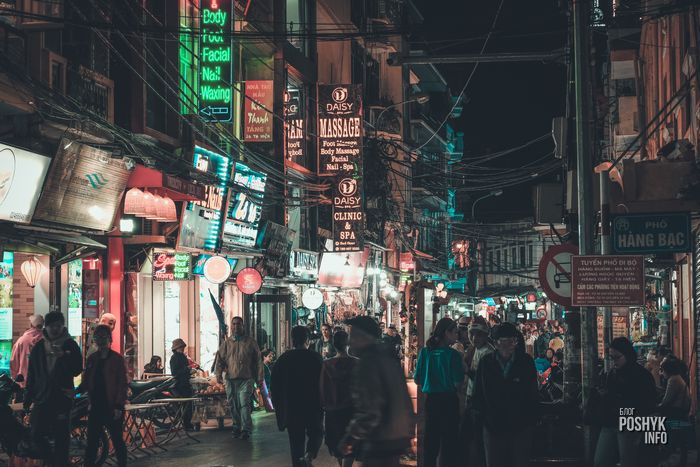
Nightlife – Hanoi is relatively affordable, with plenty of bars and restaurants offering reasonable prices – perfect for enjoying the city after dark.
Final Thoughts
Hanoi is a city that can surprise you at every turn. Wander through its streets, explore beyond the main attractions, and you’ll discover a place full of life, contrast, and unforgettable experiences.