House-Museum and Monument of Eliza Orzeszkowa in Grodno
In Grodno, on Eliza Orzeszkowa Street, you can visit the eponymous house-museum dedicated to the life and creative work of the famous writer. The museum is housed in a building constructed in 1976, which replicates the appearance of the original house that Eliza moved into in 1894 after her marriage to Stanisław Nagorski. She lived here for a productive 16 years, engaged in charity work, writing, and the arts.

If you look closely at old photographs from the first half of the 20th century, it becomes clear that the original building was located slightly closer to the road. Another interesting detail is the name of the street where this landmark is located. During the writer’s lifetime, it was known as Sadovaya and Muravyovskaya Streets, and in 1920 it was renamed in honor of Eliza Orzeszkowa. Interestingly, this name has survived to the present day, despite a brief renaming to Leninskaya Street in 1939 during the Soviet era.

The museum displays various exhibits and interior furnishings, but the most valuable items are the books—some of which were actually handled by the legendary writer herself.The monument to Eliza Orzeszkowa was installed in 1929, although plans for it date back to 1911.

Initially, the bust on a tall pedestal stood near the Grodno Theater, where it remained until 1941. For a time, the monument disappeared—rumored to have been moved to the old Catholic cemetery, where, incidentally, Elżbieta Pawłowska is buried.

In 1947, the monument was reconstructed and solemnly installed at a new location—the intersection of Telegrafnaya and Orzeszkowa Streets—where it remains to this day.

The site is significant not only for tourists but also for local residents, who have long used it as a meeting place and affectionately refer to it as “by the stone mother.” The museum is open daily from 10:00 AM to 7:00 PM (until 6:00 PM on weekends). Admission is paid, and guided tours are available upon request.

Manor of Milkovshchina – The Birthplace of Eliza Orzeszkowa (Pawłowska)
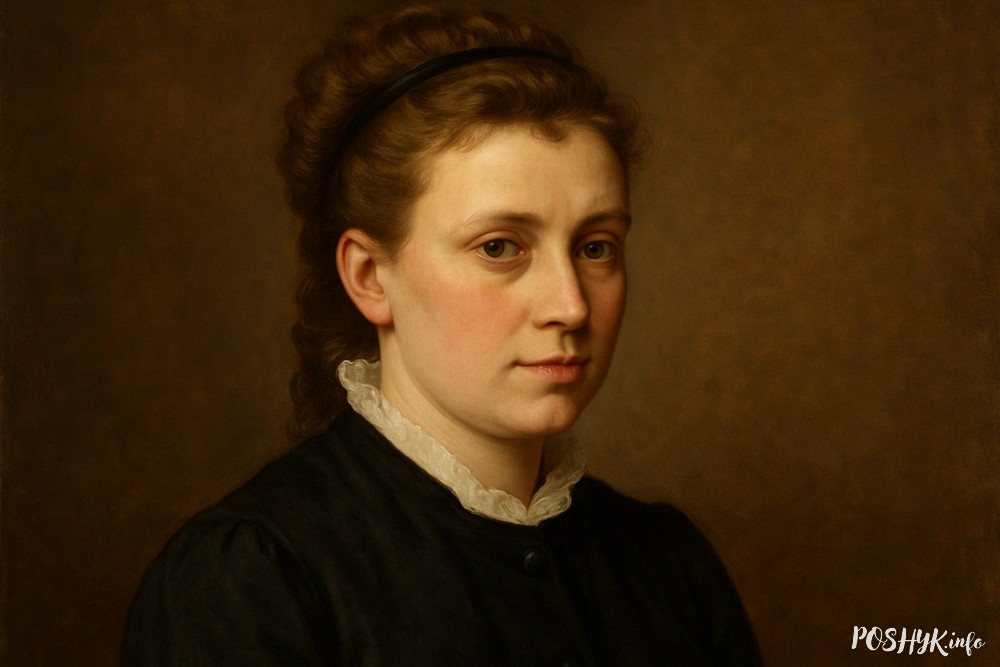
In early June 1841, in the village of Milkovshchina, the writer and prominent public figure Eliza Pawłowska (later known as Eliza Orzeszkowa) was born. Her father, Benedykt Pawłowski, acquired the land from the Borzhetsky family in the first half of the 19th century. The Pawłowski family did not build grand or luxurious palaces; instead, they had two modest one-story wooden manors in the area. These buildings have not survived to the present day, but certain remnants and commemorations still exist.
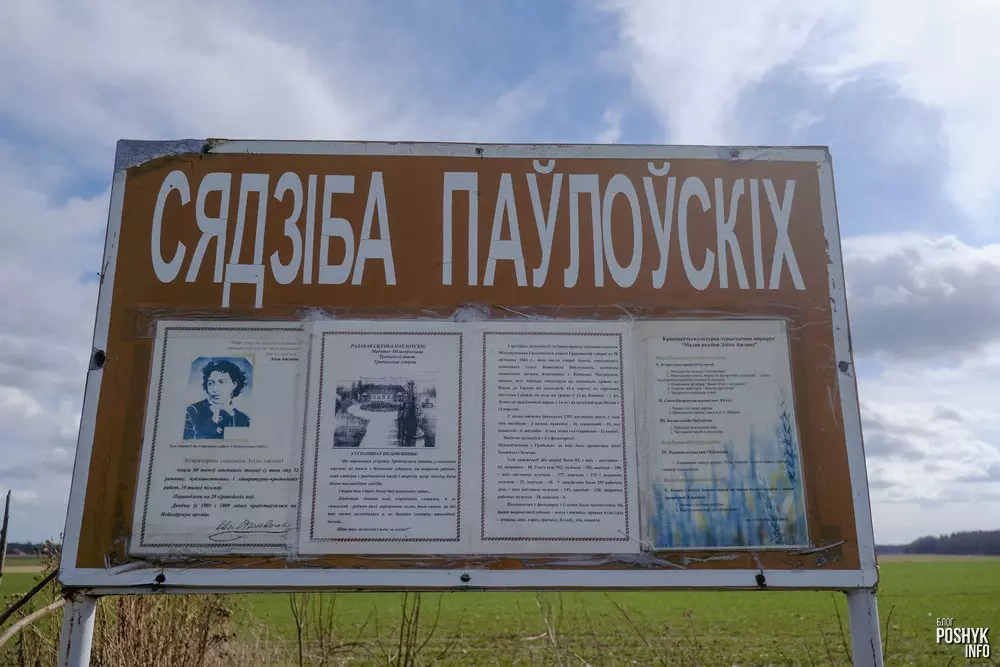
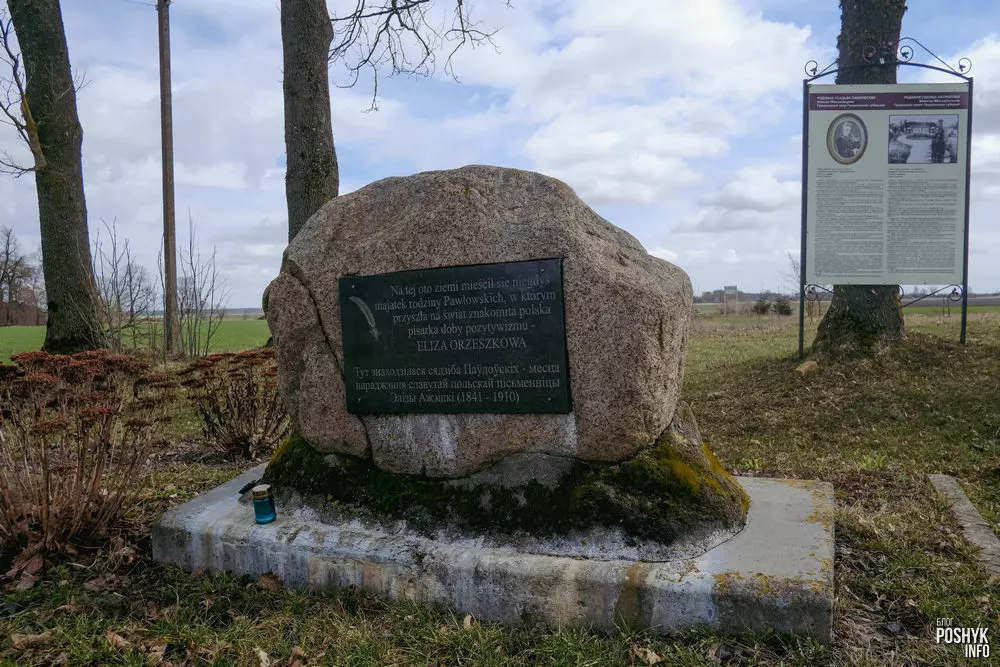
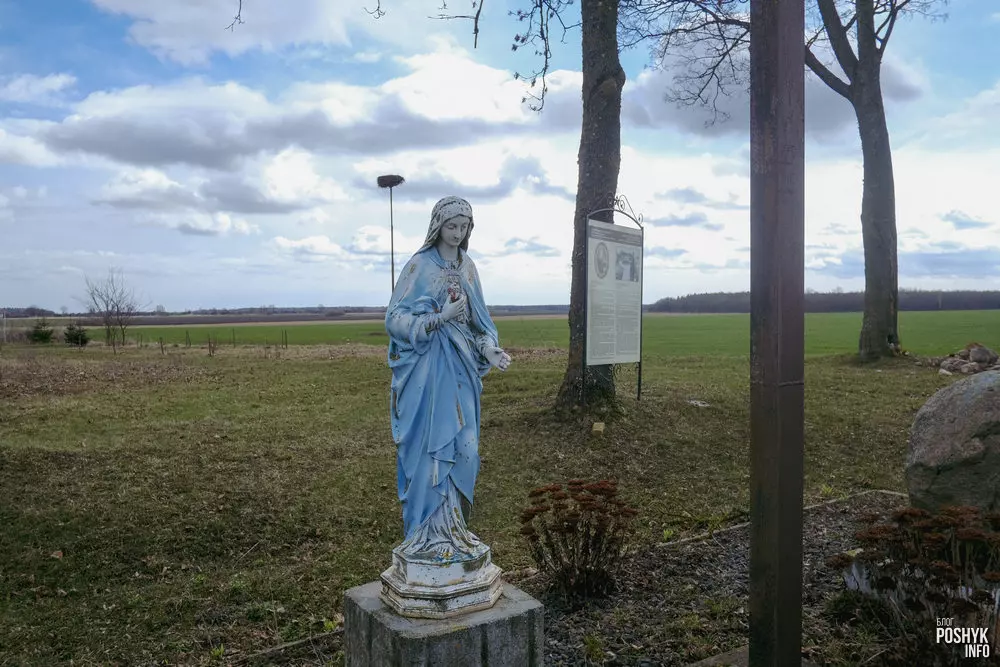
In Milkovshchina (noted as such on old maps), a memorial stone, a sculpture of the Virgin Mary, and several informational stands were installed in 2006 on the site where the estate once stood.
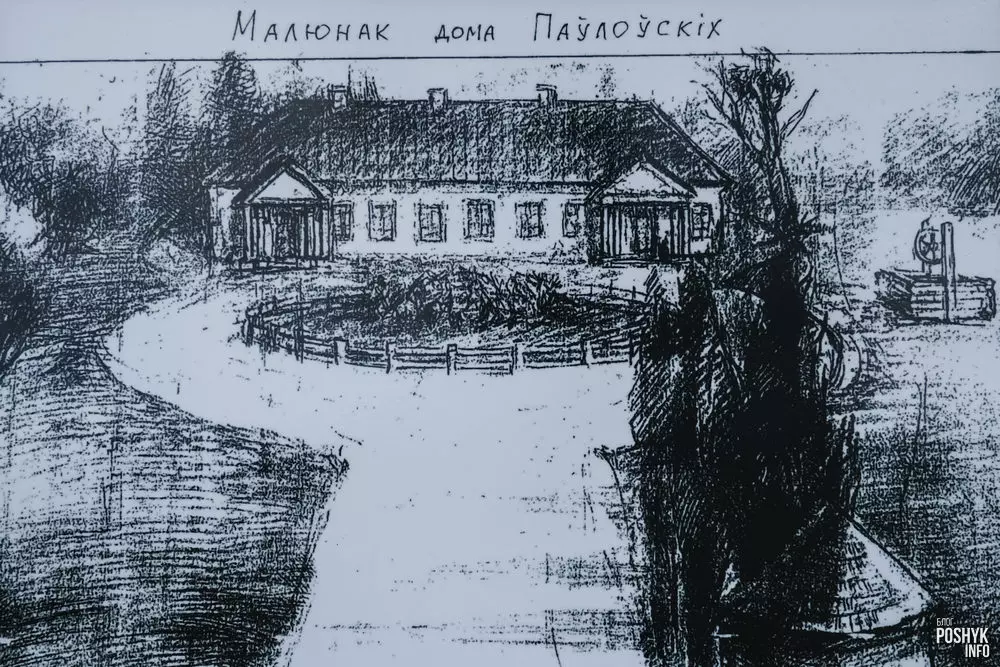
A maple-lined alley once led to the small Pawłowski house, and part of it remains to this day. In front of the entrance, there was a beautiful lawn with a circular garden. Nearby stood some outbuildings, and a short distance away was the family tomb, which was dismantled in 1867.
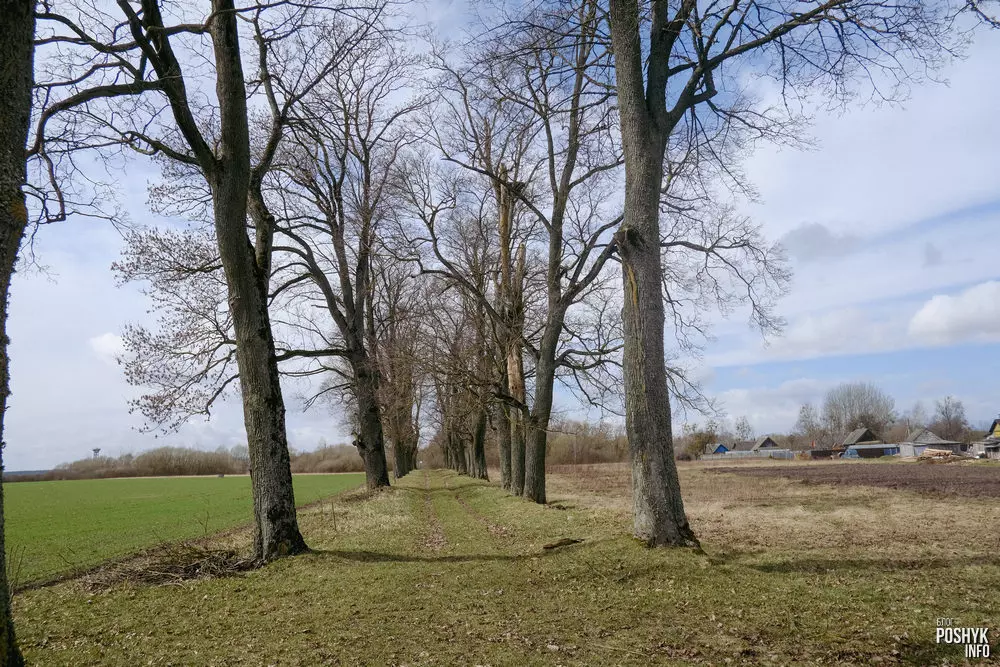
After Benedykt Pawłowski’s death in 1844, the estate passed to his daughters—Eliza and her older sister Klementyna. In 1858, while still quite young, Eliza left her native land, and by 1872 she had sold the estate to a man named Mozolewski.
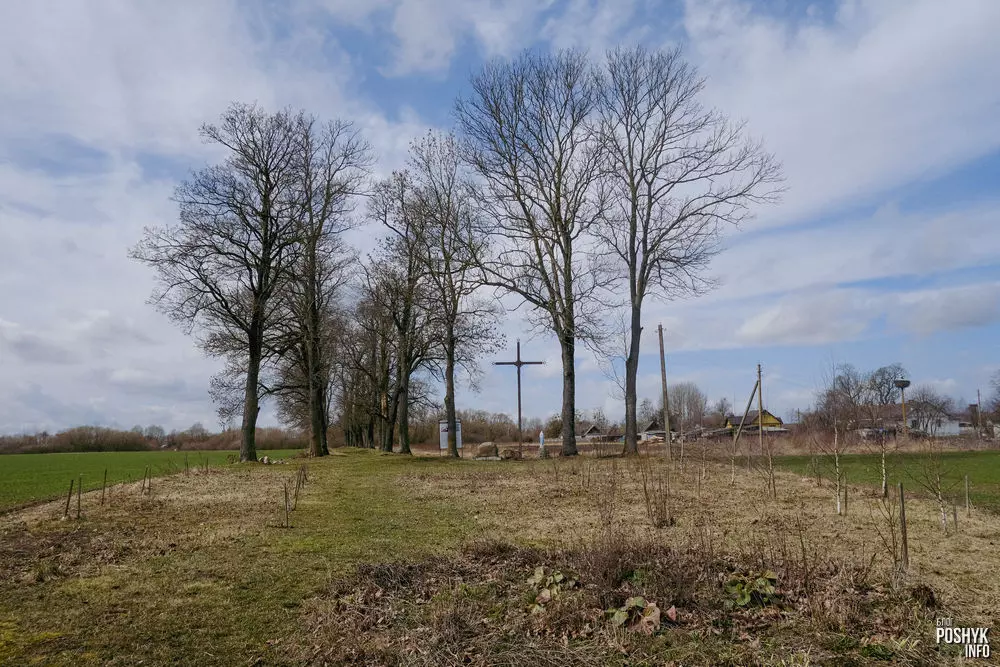
Despite losing the estate, Eliza Orzeszkowa often returned to Puzynovtsy, a neighboring village, where her father, uncle, and sister are buried.
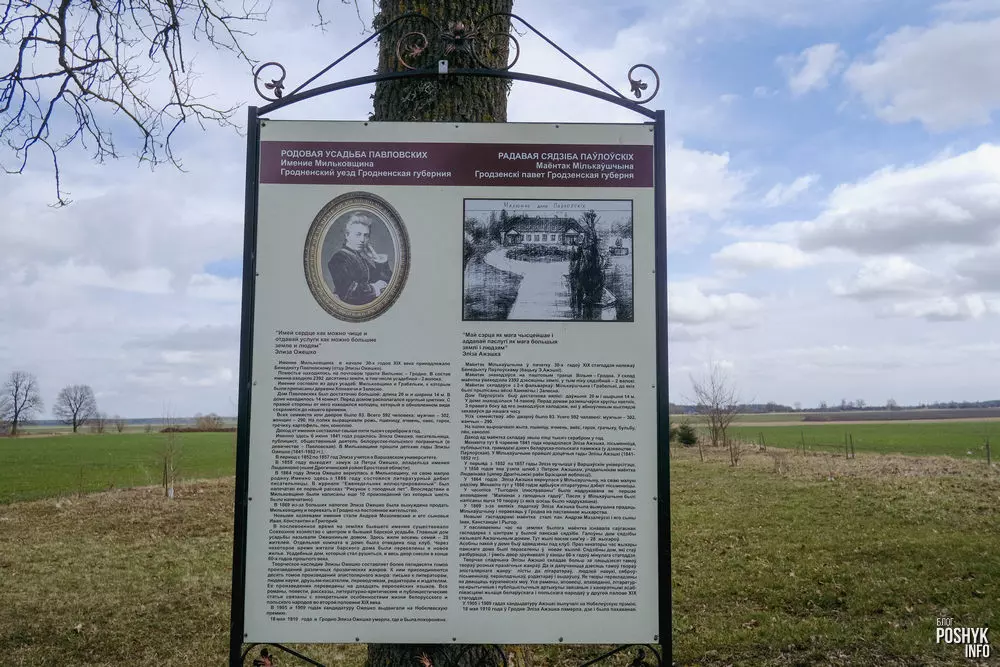
The last known owners of the Milkovshchina estate were the Czetwertyński family from Stomach (Note: “from stomach” seems unclear—please confirm or clarify the intended place or expression).
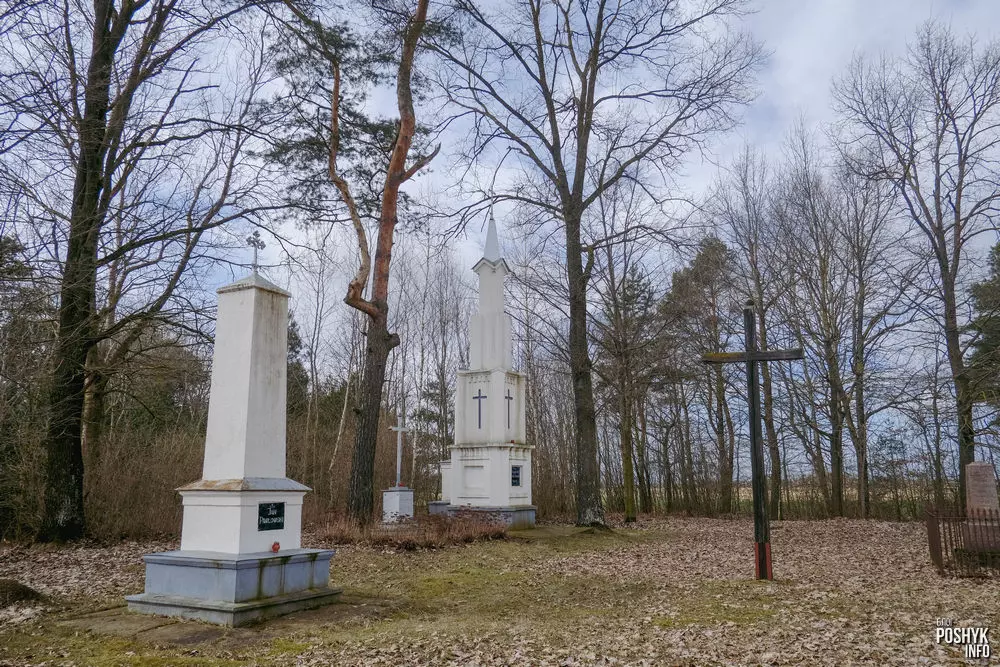
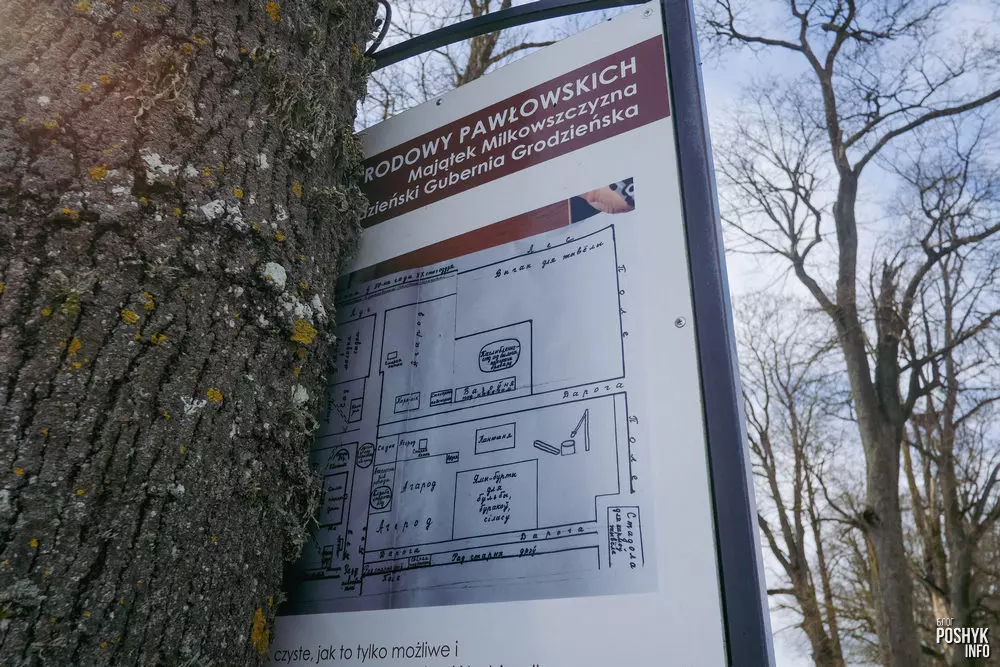
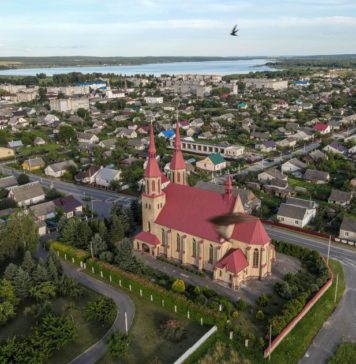
Finding the location of the legendary writer’s former estate is quite easy. If you travel along the road from the village of Kamenka—where there is a beautiful neo-Gothic church—you’ll see a sign on the left at the entrance that reads “Radzima Elizy Orzeszkowej” (“Homeland of Eliza Orzeszkowa”).
Old Catholic Cemetery in Grodno
In Grodno, you can visit one of the oldest Catholic cemeteries in Belarus, established in the final years of the Polish–Lithuanian Commonwealth, in 1792. A little later, in 1822, a small chapel was built in the center of the Farny Cemetery. It was designed by architect Karl Bagimel, who also completed the project for Grodno City Hall.

Many prominent members of Grodno’s 19th-century intelligentsia are buried here, although the cemetery also contains both earlier and later graves. The famous writer Eliza Orzeszkowa is buried here alongside her husband, Stanisław Nagorski. Also interred in this cemetery is Giuseppe Sacco, an architect known for numerous projects in Grodno, including the reconstruction of the Royal Castle, the construction of the Palace of Stanisław August, and several Tyzenhaus estates.

Another notable grave is that of Bolesław Szyszkiewicz, a master sculptor renowned for crafting many tombstones—including those located in this very necropolis.