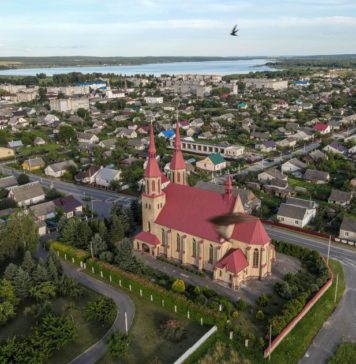
Bobruisk is an amazing city that can surprise even the most sophisticated tourist or history buff. In addition to the classic set of attractions, such as churches, a Catholic church, and ordinary buildings, there is also a highlight—the Bobruisk Fortress. This is a unique defensive complex consisting of reduits, caponiers, lunettes, bastions, barracks, warehouses, towers, and many other structures. Therefore, if you are in Bobruisk, be sure to plan a visit to this site.

Brief Historical Summary
The fortress in Bobruisk is a defensive structure built in the early 19th century to fortify the borders of the empire. Work began in June 1810, and by the time of the War of 1812, thanks to the involvement of several thousand peasants and soldiers, as well as the use of the latest military technologies of the time, it had become an impregnable citadel with eight bastions. In some places, the walls were up to 10 bricks thick, and the total area of the Bobruisk Fortress covered almost 120 hectares.
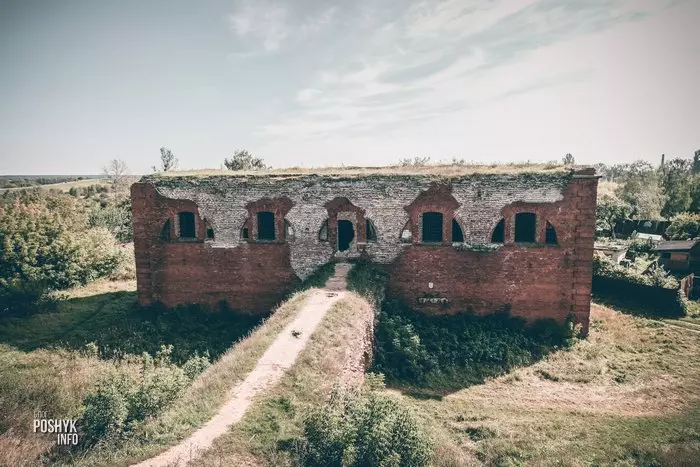

An interesting historical fact is that there might not have been a fortress in Bobruisk at all. Initially, more convenient locations were considered for construction: Bykhov, Polotsk, and Rogachev. The idea of building a fortification in Bobruisk was promoted by Theodore Narbut—a famous archaeologist, historian, and engineer. It was he who advocated placing the fortress on the bank of the Berezina River.
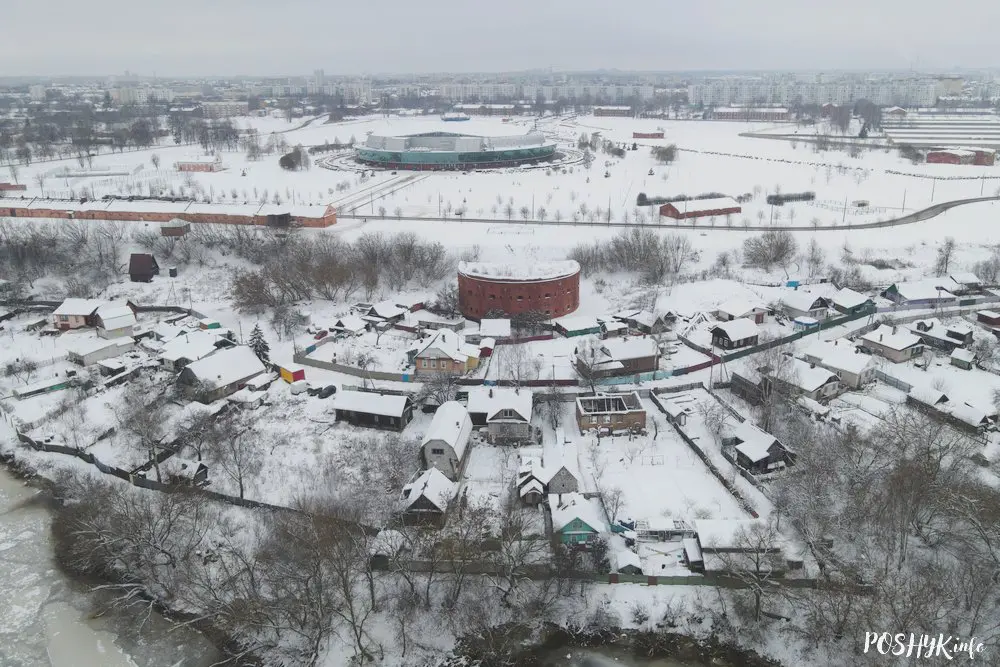
Of course, such a complex engineering project was built in several stages. The initial bastions were erected according to the design of engineer Karl Opperman. After the War of 1812, the fortress expanded significantly, marking the beginning of the so-called second stage of construction.
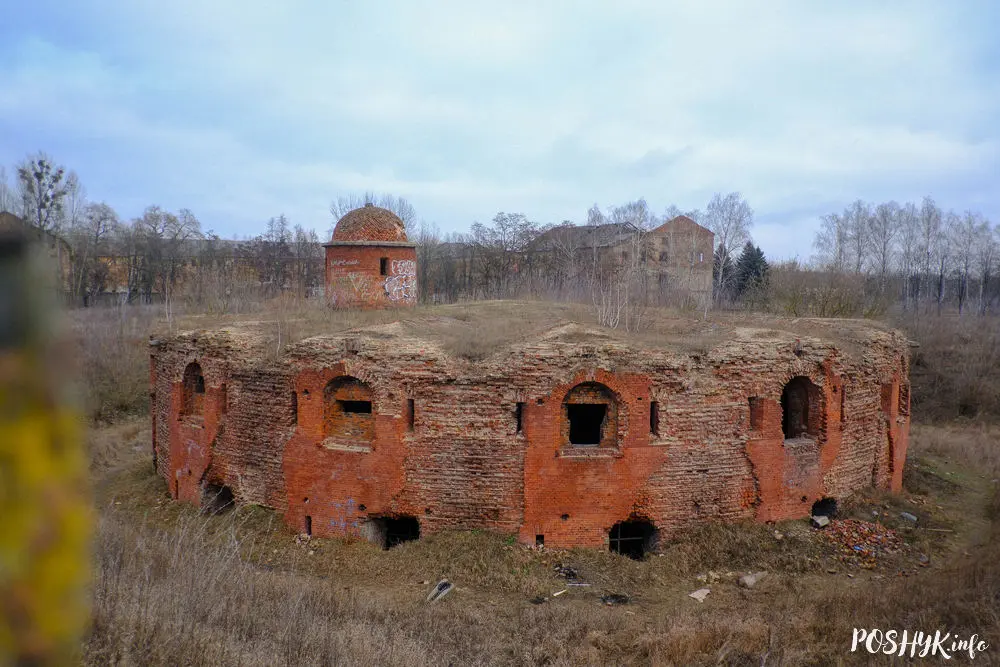
Since 1825, a prison was established as part of the fortress, where the most notable political prisoners of the time were held. Belarusian figures were no exception—Vincent Dunin-Marcinkiewich, Bagrim Pavlyuk, and others were imprisoned here.
The 20th century was not a period of prosperity for the Bobruisk Fortress. It was used as a prisoner-of-war camp—first by the Poles, then by the Germans. In the post-war years, the entire complex was used by Soviet troops.
What to See at Bobruisk Fortress
Opperman Tower (or “Red Tower”)
One of the most famous parts of the Bobruisk Fortress, the Opperman Tower, is a coastal lunette that guarded access to the outpost from the southeast. It was named after Karl Opperman, who developed the plan and actively participated in the fortress’s construction. After liberation, repressed prisoners were brought here. Since the late 1960s, the tower has been used as a pre-trial detention center and continues to serve this purpose today.
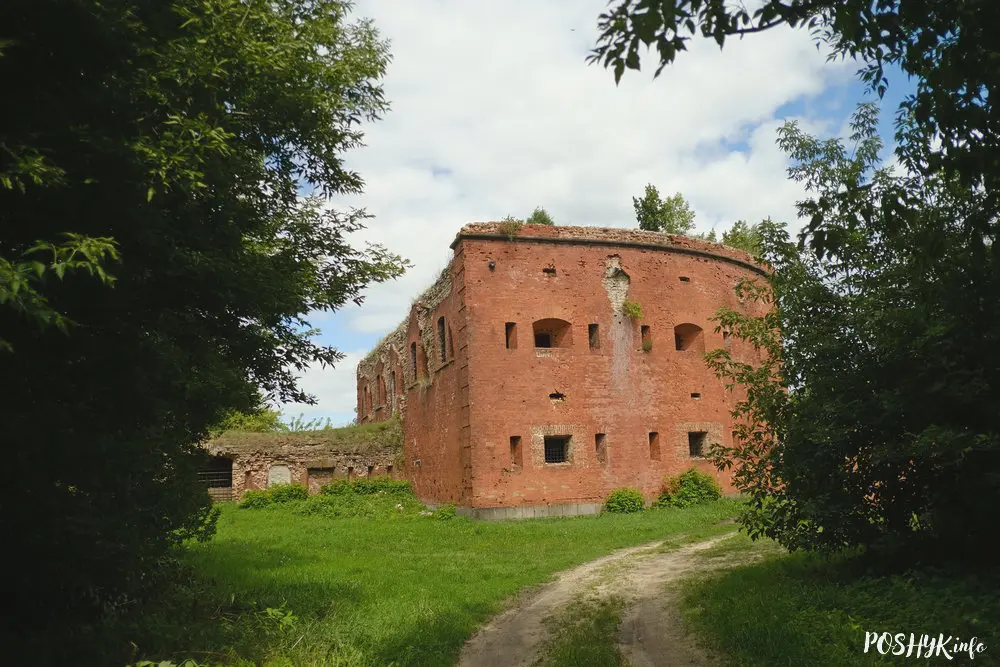
Caponier of the Defense of the Gorge Rampart
A caponier is a fortification structure designed for firing in two directions. In the Bobruisk Fortress, caponiers were used to defend the ditches. After the War of 1812, a one-story caponier was built to strengthen the defense of the left flank of the coastal front. Embrasures and loopholes were created at the rear of the structure for firing along the fortifications.
Reduit with Caponier
A reduit is a fortification structure used to strengthen the internal defense of bastions. It was designed for close combat and is located in the central part of the outpost. The reduit is a two-story, mushroom-shaped fortification designed for crossfire.
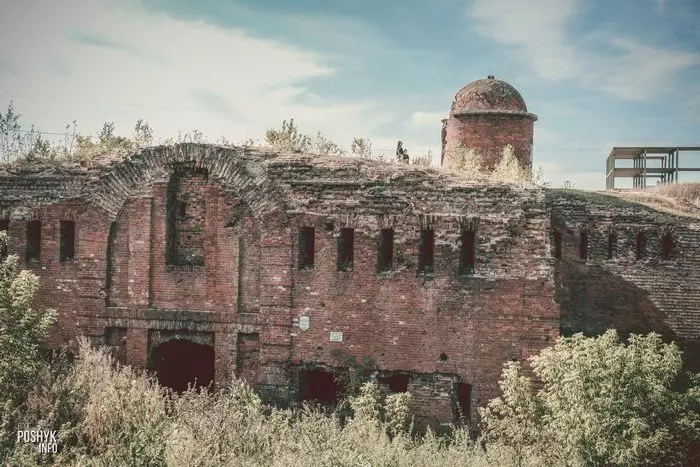

The ground floor of the reduit housed storage rooms, while small arms were stored on the second floor.
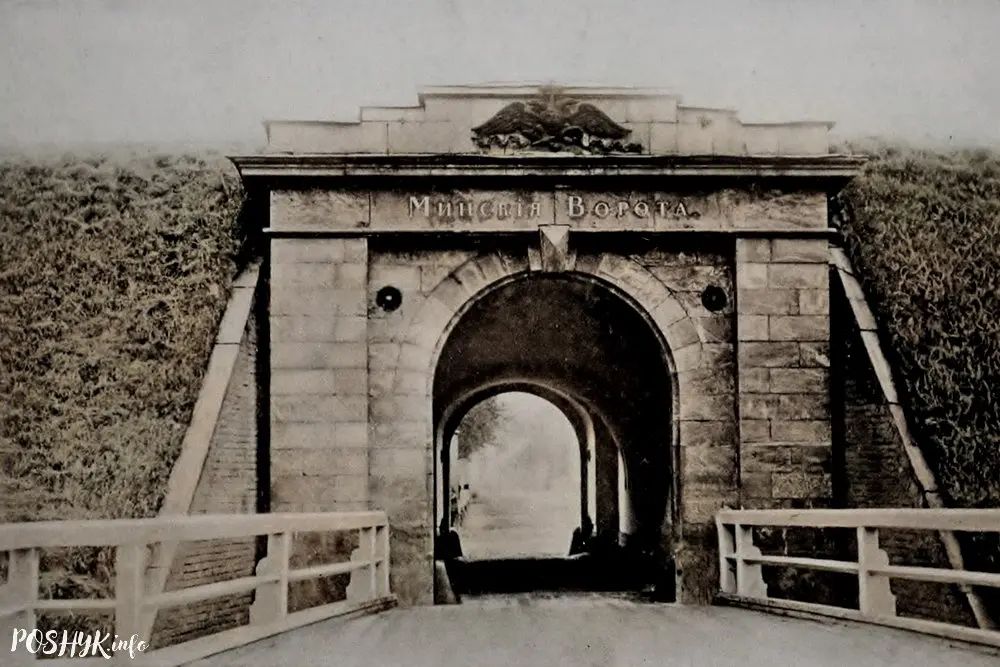
Minsk Gate
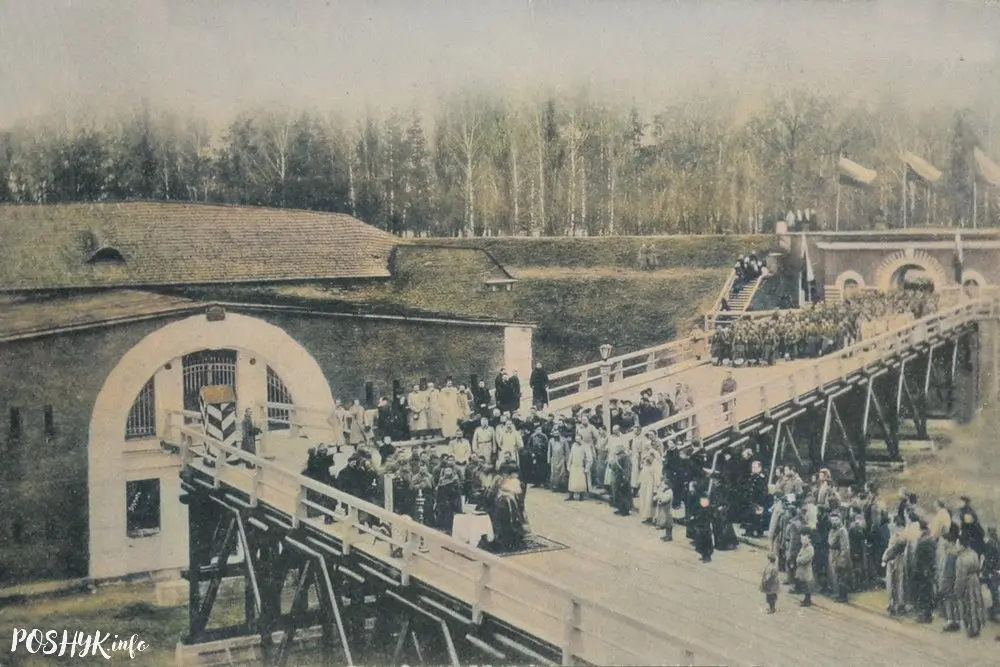
The project was designed by architect Alexander Shtaubert. The gate consisted of three parts. In the center was a passage leading to the Bobruisk Fortress, equipped with a drawbridge on the side of the moat. The side rooms housed guardrooms for the soldiers on duty.
Casemated Lunette on Tsiolkovsky Lane
This lunette, located on Tsiolkovsky Lane (No. 30), is well-preserved and now serves as a vegetable storage facility for the Orlovsky SPK Rassvet. Initially, this lunette served as a defensive structure, constructed in 1854 according to the design of Staff Captain Alexei Sorokin.
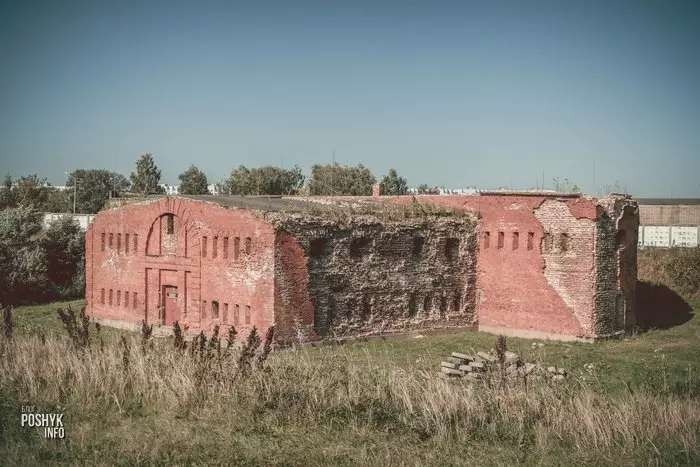
The Bobruisk Fortress witnessed three wars, leaving a significant mark on its appearance. While the fortress is currently in a dilapidated state, efforts are underway to restore it. Restoration projects for various sections of the fortress are being considered.
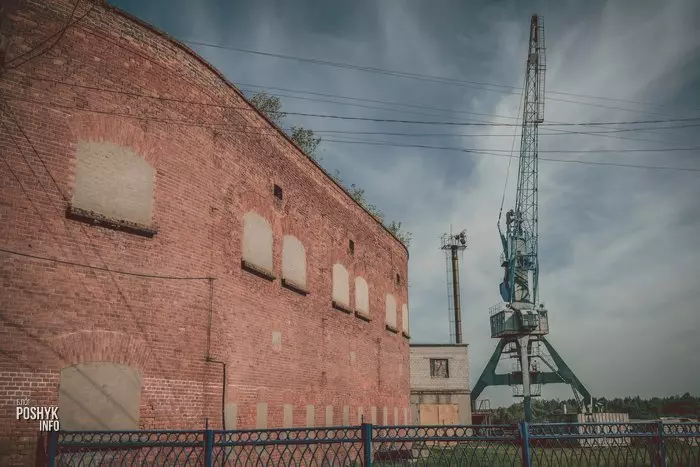
Much of the Bobruisk Fortress is comprised of former barracks, spread across a vast area. Plans have been proposed to establish a historical and cultural complex in this area to fully demonstrate and tell the history of this monumental structure.

At the beginning of the 21st century, the Bobruisk Fortress was rightfully included in the list of historical and cultural monuments of the Republic of Belarus.