
The American Museum of Natural History in New York City is one of the largest and most renowned museums in the world. Located on the west side of Central Park, the museum spans a complex of 28 interconnected buildings. It houses over 33 million specimens, featuring exhibits in paleontology, anthropology, mineralogy, zoology, and astronomy.

The museum was founded in 1869 by conservationist Albert Smith Bickmore, who proposed the idea to New York Governor John Dix. Inspired by similar institutions in Europe, Bickmore envisioned a museum that would be accessible to the public and foster scientific advancement in the United States. The original building, which opened to the public in 1871, has undergone substantial expansion over the years. One of the most iconic moments in its history was the opening of the Dinosaur Hall in the early 20th century, which remains a centerpiece attraction. In the 1930s, the museum introduced the Hayden Planetarium, later rebuilt as the Rose Center for Space Science.
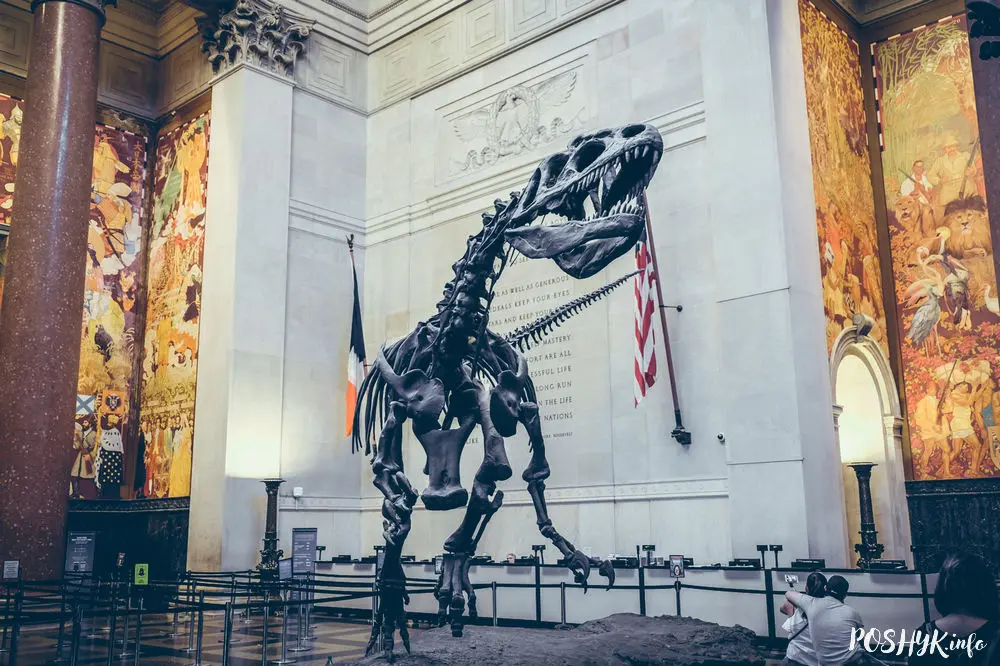
Visiting New York without exploring the American Museum of Natural History feels like a missed opportunity. Walking through the museum’s endless halls, one can almost imagine the exhibits coming to life—just as they do in the beloved comedy film Night at the Museum, which was famously filmed here.

The museum officially opened its doors in 1869. Its founder, Albert Smith Bickmore, was joined by notable co-founders, including Theodore Roosevelt, John Morgan, and Morris Jesup. Initially, the museum’s collections were modest, but its first Arctic expedition brought remarkable results. Polar explorer Vilhjalmur Stefansson returned with a wealth of material from the north, enriching the museum’s holdings and setting a precedent for future expeditions.
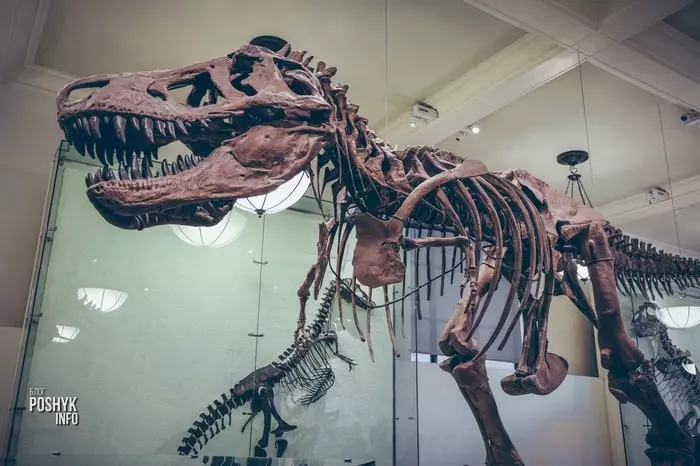
Today, the museum boasts an impressive number of halls dedicated to various subjects, each with captivating exhibitions.
Must-Visit Exhibits
Hall of Dinosaurs
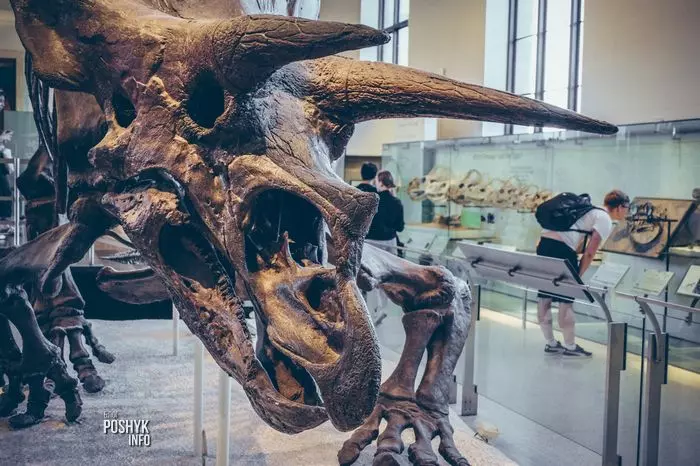
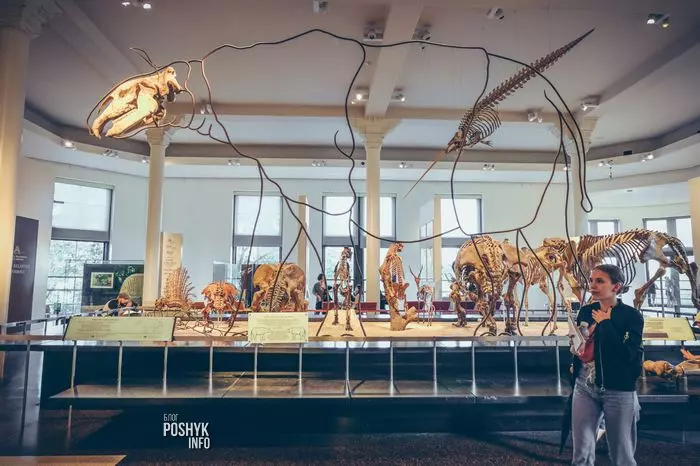
The paleontology hall features an extraordinary collection of dinosaur skeletons that astonishes visitors with its size and grandeur. While many of the displays are replicas made of plastic, some include genuine fossilized remains of ancient creatures. Here, you can learn about different types of dinosaurs and the geological eras in which they lived.
Hall of African Mammals
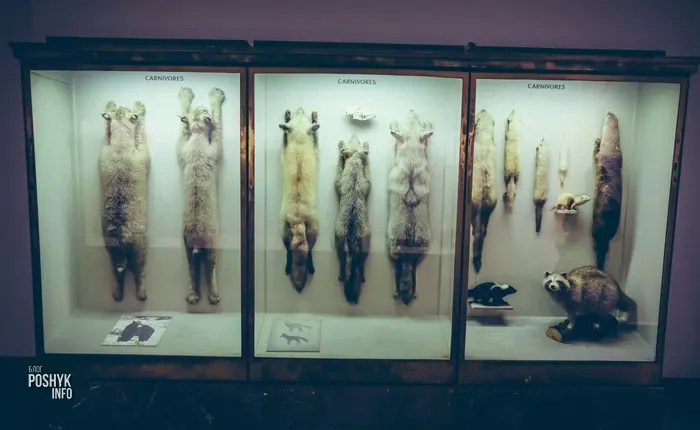
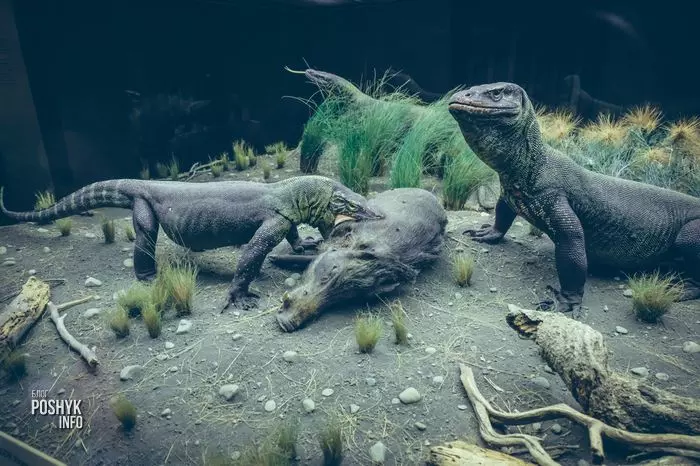
This hall vividly depicts scenes from the lives of Africa’s diverse wildlife. Visitors of all ages enjoy passing by lifelike dioramas featuring tigers, antelopes, crocodiles, and zebras, showcasing the rich biodiversity of the world’s hottest continent.


Hall of the Indians
This hall brings the vibrant tribal life of Native Americans to life through detailed miniatures, traditional costumes, and intricate masks. Among the artifacts on display are remarkable finds, such as the Mayan calendar, which continues to fascinate visitors with its historical significance.


Hayden Planetarium
A six-story architectural marvel, the Hayden Planetarium is a branch of the Museum of Natural History dedicated to the mysteries of the cosmos. It offers an immersive experience, featuring exhibits on space objects and the solar system. One highlight is the engaging installation about the Big Bang theory, which captivates visitors of all ages.
Ocean Life Hall
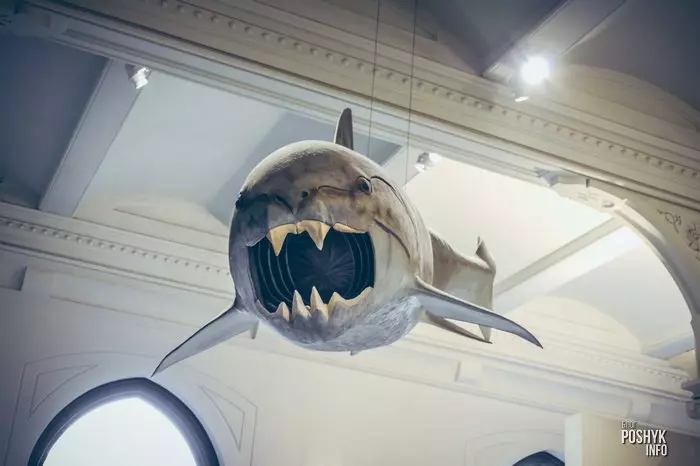
This hall features a massive video screen displaying a breathtaking film about the origins of life in water, with footage captured across the world’s oceans. Among the most impressive exhibits is the life-sized blue whale model, a centerpiece of the underwater life section.
Hall of Human Origins
This section showcases some of humanity’s most significant discoveries, chronicling its evolutionary journey. A key highlight is the 3.2-million-year-old skeleton of “Lucy,” a remarkable find that represents a crucial stage in human development. The hall also includes numerous ancient tools, figurines, and other artifacts that shed light on the lives of our early ancestors.

The museum features a state-of-the-art IMAX cinema where scientific and educational films on various topics are shown, offering an immersive experience for visitors. Additionally, the museum houses a vast library that preserves valuable manuscripts and resources for researchers and enthusiasts alike.
Millions of visitors from around the world come to the museum each year, making it a vital cultural and educational destination not just for New Yorkers but for international travelers as well.
Ticket Prices
The ticket prices for the American Museum of Natural History are as follows (in USD):
- General Admission: $30 for adults.
- Combination Ticket (Museum + Edge Hudson Yards): $60.
- CityPass (Admission to five major New York City attractions, including the museum): $135.
These tickets provide access to the museum’s permanent exhibitions, with select tickets also including additional exhibitions and special events.
Hours of Operation
The museum is open daily from 10:00 a.m. to 5:30 p.m. However, it is closed on Thanksgiving Day and Christmas Day. Visitors should note that during the last hour of operation (4:30 p.m. to 5:30 p.m.), admission is free—a great opportunity for those looking to save on entry fees.
Location
Address: Central Park West and 79th Street, New York, NY 10024-5192, USA. For convenience, here is the exact location marked on the map below:
The Museum of Natural History in New York is full of fascinating facts that make a visit both unique and educational:
Blue Whale Model
One of the museum’s most iconic exhibits is a life-size model of a blue whale, measuring an impressive 29 meters in length. Suspended in the Marine Mammal Hall, this realistic model is a favorite subject for photographs and a highlight for visitors.
Meteorite Collection
The museum boasts one of the largest meteorite collections in the world. Among its treasures is the Cape York meteorite, one of the largest ever discovered on Earth, drawing the attention of geology enthusiasts and casual visitors alike.

Dinosaur Hall
Home to one of the world’s largest collections of dinosaur fossils, the museum features legendary specimens such as the Tyrannosaurus rex skeleton. Dynamic poses in the exhibits reflect a modern approach to paleontology, offering a glimpse into how these ancient creatures might have moved and lived.
Ethnographic Exhibits
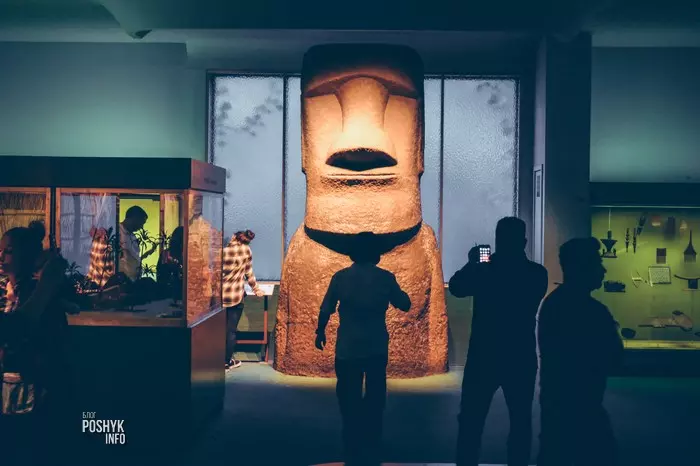
The museum also showcases a vast collection of ethnographic artifacts from indigenous peoples of the Americas, Africa, Asia, and Oceania. A standout feature is the collection of intricately carved totem poles, which captivate visitors with their cultural and historical significance.

Rose Center for Space Science
This cutting-edge addition to the museum includes the renowned Hayden Planetarium. Visitors can embark on an immersive journey through space, experiencing the wonders of the universe with state-of-the-art imaging technology.
Films and Cultural Impact
The museum has played a prominent role in popular culture, notably in the Night at the Museum film series. These movies have not only entertained audiences worldwide but also sparked increased interest in the museum, attracting new waves of visitors.
Research Activities
Beyond its exhibitions, the museum serves as a leading scientific institution. Over 200 scientists work here, conducting groundbreaking research across various fields of natural science, further cementing its status as a hub of knowledge and discovery.