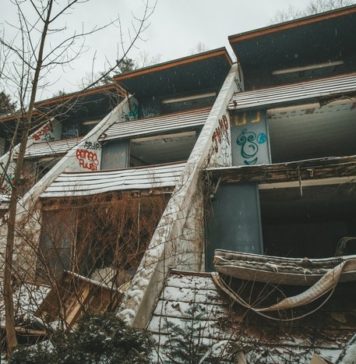
Uncovers the eerie remnants of Russia’s forgotten past, exploring seven haunting locations frozen in time. From the desolate Mirnaya Diamond Mine, once a hub of industrial extraction, to the mysterious Creepy Village of Alykel, where nature reclaims abandoned homes, each site is a chilling reminder of a bygone era. Journey through the Khalmer-Yu Mining Village, where coal was once king, and discover the Dagdiesel Plant in Kaspiysk, now an industrial ghost. The Northern Crown Hotel in St. Petersburg stands as an unfinished monument to ambition, while Bechevinka, once a military base, now hosts the decay of forgotten history. These seven abandoned places offer a spine-tingling glimpse into the dark and deserted corners of Russia.
Abandoned Diamond Mine “Mirnaya”
In Eastern Siberia, there’s a place where humans have created one of the largest holes on Earth. Why dig a 525-meter-deep hole? The answer lies in the pursuit of wealth stored deep underground in the form of diamonds. The Mirny Mine in the village of Mirny is the second largest diamond mine in the world. To give you an idea, the diameter of the funnel is 1.2 kilometers. This diamond mine in Yakutia became notorious as a “graveyard” for helicopters, which were sucked into the bottom by descending air currents. After a series of tragedies, flights over the mine were banned.

Diamond mining at Mirny began in 1957, and over time, more than 10 million carats of diamonds were extracted annually. But mining here was no easy task, as it was carried out under extreme conditions—the harsh Siberian climate. Winters in the region lasted more than seven months, and the freezing temperatures made it easier to break concrete than to work with the frozen earth. Fuel froze, equipment malfunctioned, and tires would burst from the cold.

To break through the permafrost layer, workers used jet engines and dynamite to generate heat. Every day, the mine had to be covered to protect equipment from the elements. In the summer, the thawing earth turned into a swamp. The main facilities of the diamond mining operation were located 20 kilometers away from the mine, on solid ground. The village houses were built on piles to prevent flooding.

The mine yielded an impressive percentage of precious diamonds—over 20% of the minerals extracted were diamonds. Soon, the international company De Beers, which controlled the world diamond market, became interested in the Soviet natural diamonds. In order to regulate the global price of diamonds, De Beers sought to buy large lots from the Mirny mine. Initially, it was predicted that mining would stop by 1970, but by that time, the output only increased. In 1976, De Beers representatives wanted to visit the mine, but their visit was delayed several times. When they finally arrived in Siberia, they were allowed to stay for just 20 minutes, not enough time to learn anything substantial about the mine. Diamond extraction from the mine continued until 2004. However, after the collapse of the Soviet Union in the 1990s, local companies took over operations at the mine. Today, this once-precious site is abandoned.
[adinserter block=”1″]The Creepy Village of Alykel in the Tundra
Abandoned buildings often evoke fear, and sometimes sadness. But when an entire village is left behind—once full of life—it’s not just eerie, it raises countless questions. One such atmospheric place is the ghost town of Alykel, which few have heard of. Located near Norilsk, between Kayerkan and Alykel Airport, this village was abandoned in the 1990s. However, it was never densely populated during its peak.
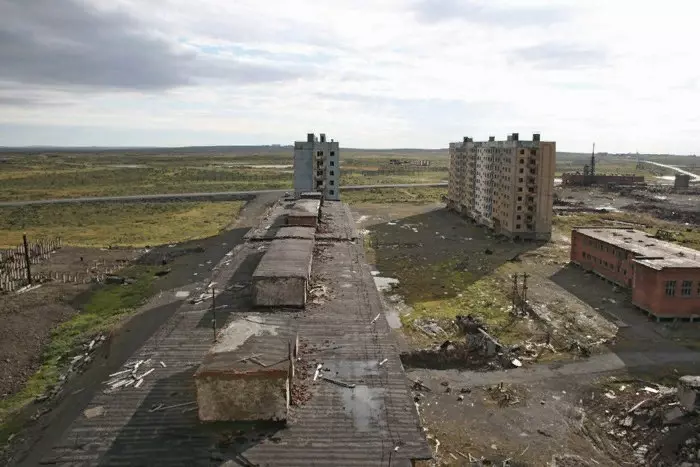
The name “Alykel” comes from the swampy nature of the area, where numerous swamps and lakes abound. It literally translates to “marshy meadow.” Alykel was originally built for military pilots and their families, and several nine-story buildings were constructed to house them. However, the village was never fully settled, and those who lived there for a short time were eventually evacuated.
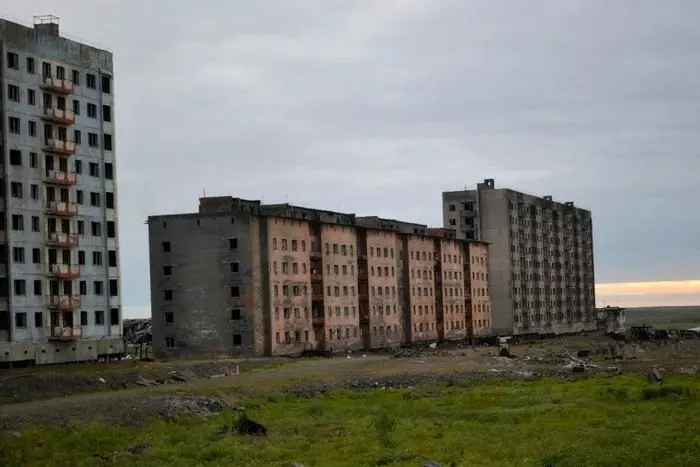
There are several theories as to why the village became a ghost town. One suggests that the heating system froze (a common issue in the tundra), and repairing it was deemed too costly. Another theory is that the military unit was disbanded, rendering the village unnecessary. The truth remains elusive, as data on military bases or secret sites is often hard to come by, giving rise to multiple interpretations of events.
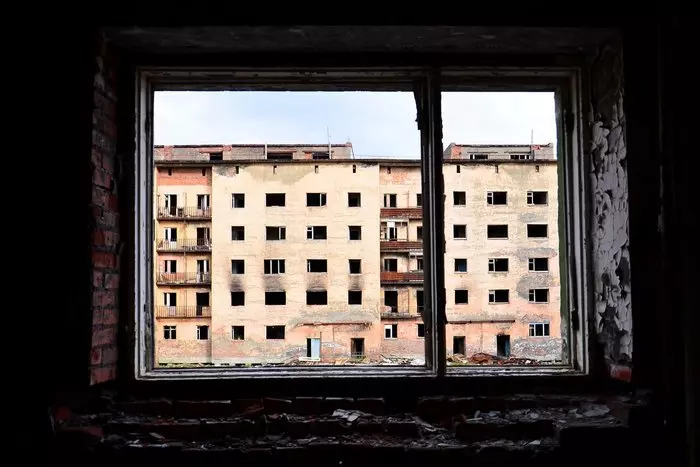
After the residents of Alykel moved to nearby Norilsk, the unfinished buildings were left to decay in silence. Over time, piles of garbage, construction debris, rusty cars, and decaying items were left to rot in the damp soil. Once a community filled with memories, the village now resembles a dump.
City of Mologa – Russia’s Atlantis
Russia has its own “Atlantis” — the submerged city of Mologa. This once-thriving settlement, located between the banks of the Mologa and Volga rivers, was known for centuries. However, Mologa’s fate took a dramatic turn when it was submerged beneath the waters of the Rybinsk Reservoir. Mologa was historically cut off from major transportation routes and was only connected to other settlements via postal services. At its peak, the city had more than 6,000 inhabitants. But its existence ended not due to a natural disaster, but because of the construction of a massive reservoir. In 1935, plans for the Rybinsk Reservoir were put in place, initially intended to be built at 98 meters above sea level. However, the project was later modified to raise the water level to 200 meters, which would increase the reservoir’s power capacity and flood a much larger area. Tragically, the city of Mologa, situated at 101 meters above sea level, was included in the submerged zone.
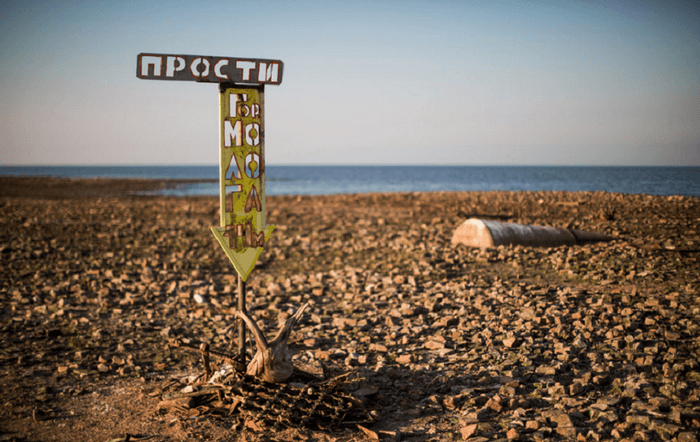
The residents were informed of the resettlement plan in the autumn of 1936, just a few months before the rivers froze. In that short time, it was impossible to relocate the entire city. Some homes were dismantled and floated down the river, bound into rafts, but these could not be fully moved until the spring thaw. As a result, the resettlement process took nearly four years.
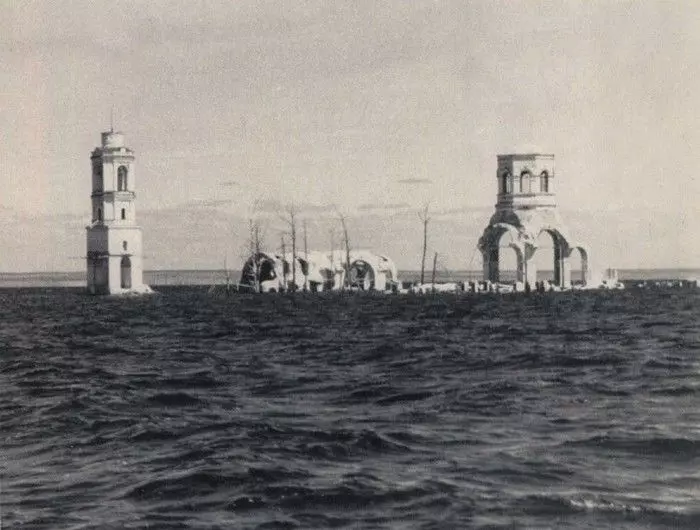
By 1946, Mologa was completely submerged. Entire schools, factories, homes, and other infrastructures were lost, including the Afanasievsky Monastery, dating back to the 15th century, which was also engulfed by the rising waters. Iconic buildings like the Resurrection Cathedral and the Ascension Parish Church were completely destroyed. The majority of Mologa’s population was relocated to the nearby village of Slip, which was nicknamed “New Mologa.” Many former residents also moved to larger cities like Yaroslavl, Moscow, and Leningrad.
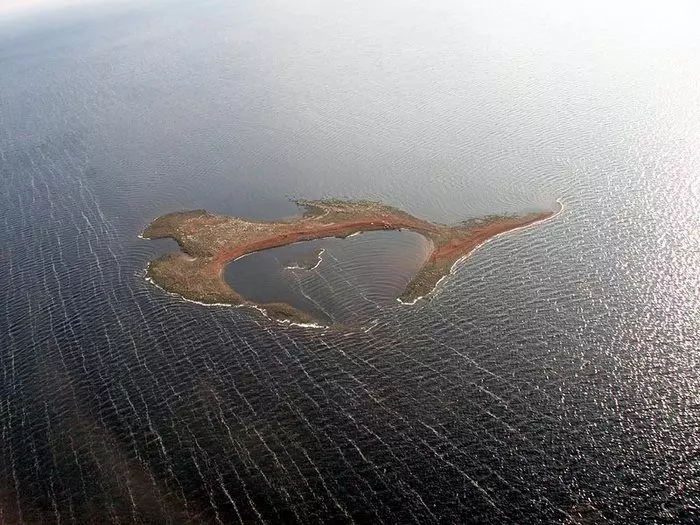
In the 1970s, a tradition emerged among the former residents of the drowned city: every year, on the second Saturday of August, they would gather in Rybinsk to share memories of their lost city. In the late 1990s, the water level in the Rybinsk Reservoir dropped significantly, exposing parts of the submerged Mologa. This revealed cobbled streets, the remains of collapsed temples, and the foundations of homes — haunting reminders of the once-vibrant city. The uncovered ruins became the subject of a museum collection dedicated to the history of Mologa and even inspired a documentary about the city.
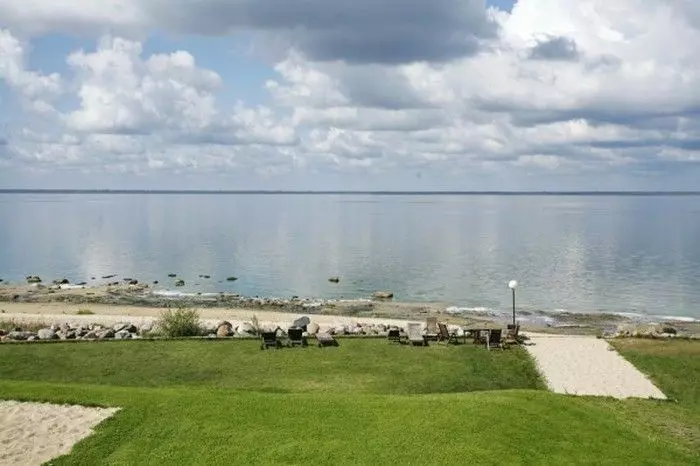
Today, the drowned city lives on in the memories of those who once called it home, and in the annual meetings of its former inhabitants. Photo sources: Kirill Milovidov and Vladimir Tikhomirov
[adinserter block=”1″]Abandoned Workshop of the Dagdiesel Plant in Kaspiysk
Abandoned structures, left forgotten over time, can be found all over the world, and Russia is no exception. One such place is the 8th workshop of the Dagdiesel plant in Kaspiysk. The workshop was built in 1939, nearly 3 km from the coast of the city of Kaspiysk. The project was initiated by Sergo (Grigory) Ordzhonikidze, a prominent Soviet figure and member of the Communist Party. The secret facility was used for assembling naval weapons, primarily torpedoes, and conducting their subsequent testing.
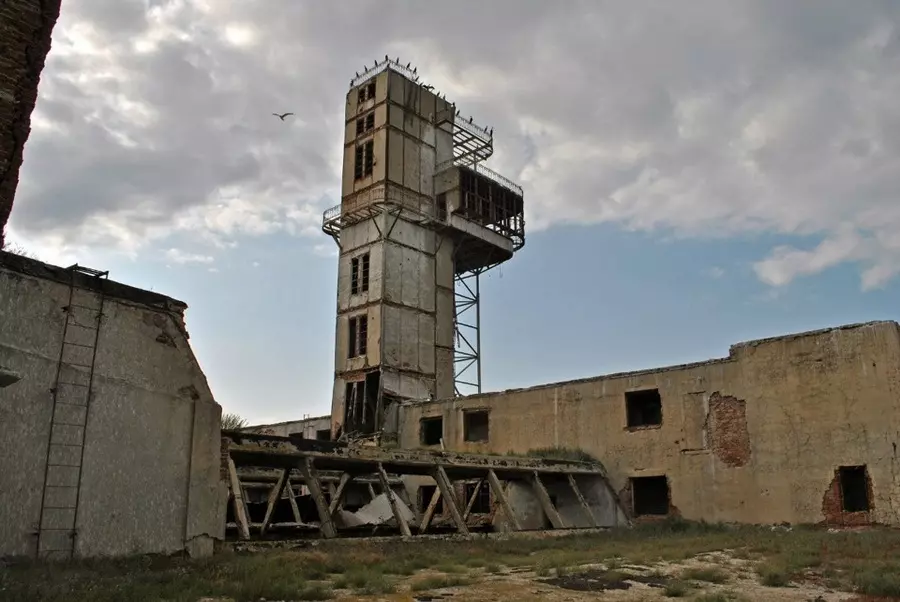
Constructing the workshop required the creation of a massive foundation pit, which was excavated with the help of a dredger — a vessel used for dredging. The underground portion of the workshop was built in this pit, with a 14-meter reinforced concrete structure at its base. This structure was separated from the metal frame, floated to the surface, and then stabilized in place.
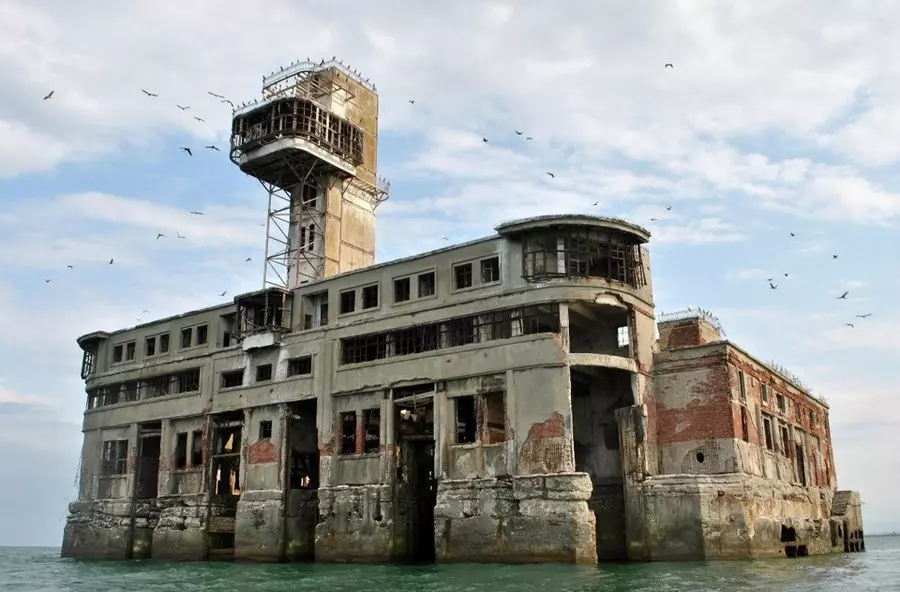
In addition to the main workshop, the facility also included worker accommodations such as a dining hall, a library, and even a sports hall. These amenities were created to account for the frequent storms in the region, during which workers could be “imprisoned” for long periods. The facility also featured a 41-meter observation tower, accessible by an elevator. The walls of the testing station were 1.5 meters thick, ensuring maximum safety for testing the naval weapons.

During the early years of World War II, the plant’s marine workshop began producing new types of weapons and ammunition, including aircraft bombs, depth charges, anti-aircraft shells, mines, PPSh submachine guns, and anti-tank hedgehogs. The workshop continued its active work until 1942. As the war situation worsened, and the German forces advanced, the decision was made to relocate the plant to Kazakhstan. After the war, workers returned to the 8th workshop, and testing resumed. However, by the 1960s, the complex became obsolete as new weapon technologies emerged, requiring deeper test facilities. As a result, the 8th workshop was closed in 1966.
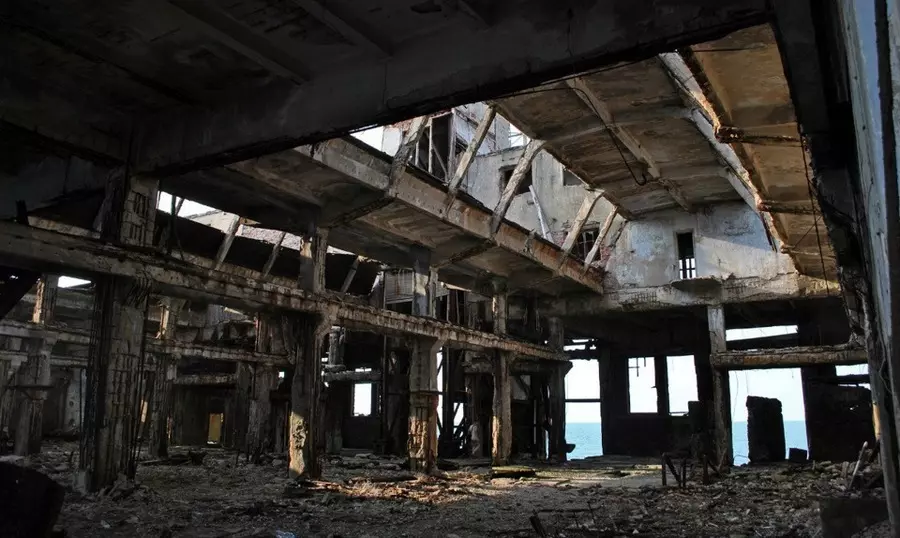
Since then, the building — reminiscent of the French Fort Boyard — has been abandoned, gradually reclaimed by the relentless waves of the Caspian Sea, seagulls, and curious explorers who are drawn to this eerie, historical site. Photo source: izberbashec
Abandoned Mining Village Khalmer-Yu
Khalmer-Yu, an abandoned mining village, is located about 70 km from the city of Vorkuta in the Komi Republic. It is challenging to access this ghost town, as there are no roads leading to it. The only way to reach it is to drive an all-terrain vehicle or SUV across a dilapidated narrow-gauge railway. The village was established over rich coal deposits. Translated from the language of the indigenous Nenets people of this region, “Khalmer-Yu” means “dead river” or “river in the valley of death.”
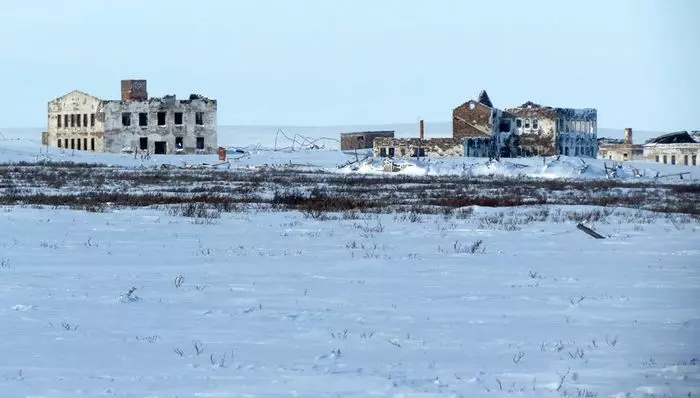
The quest to locate these coal deposits was perilous. The first geological expedition to these coal-rich lands in 1942 nearly perished due to severe weather conditions. Trapped in icy conditions, the geologists’ attempt to sustain themselves using deer ended disastrously, with 86 out of 100 deer dying without delivering their vital supplies. Months later, the expedition members were discovered in a state of extreme exhaustion but were ultimately rescued.
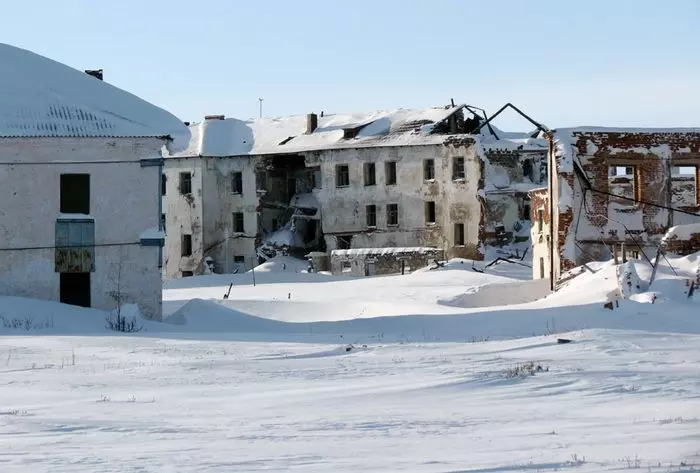
Mining operations commenced shortly thereafter. A mine was constructed, and the Khalmer-Yu settlement was established to accommodate miners and their families. The coal extracted here was among the most costly in the USSR and was crucial for coke production during the Second World War. By 1943, the mining village had a population of over 250 people. The main mine’s construction began in 1951 and lasted six years. Due to the geological features of the area, the mine could only produce about 250 tons of coal.
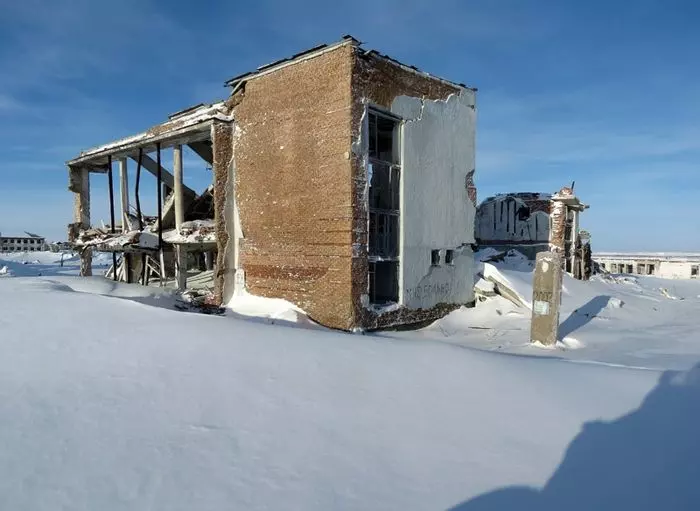
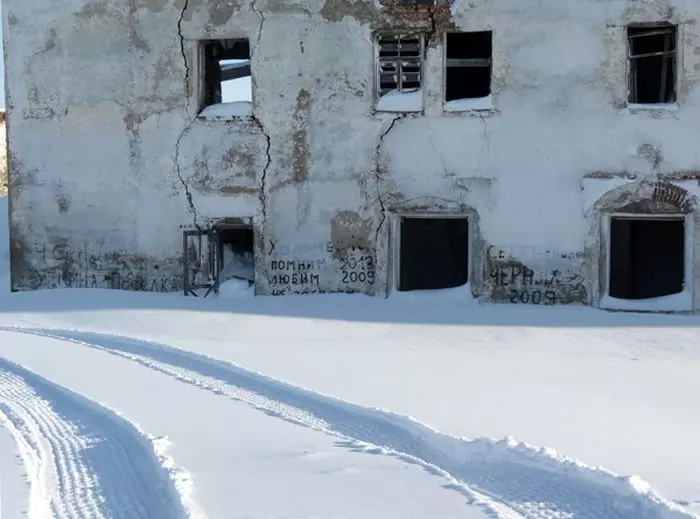
The population of the village eventually grew to 7,000. Khalmer-Yu saw development in cultural and social aspects of life. New residential buildings, a House of Culture, kindergartens, schools, a railway station, a hospital, a library, weather station, shops, and a bakery were constructed. By the 1990s, the coal reserves were depleted, and the mine became unprofitable. In 1996, it was decided to close the mine and begin the liquidation of the village.
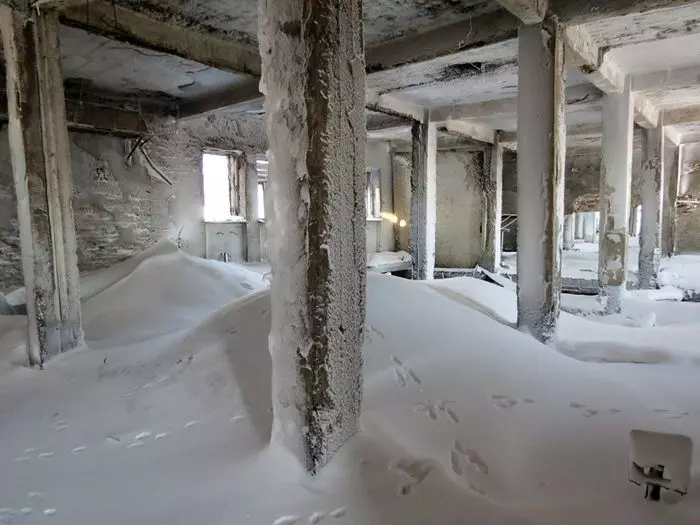
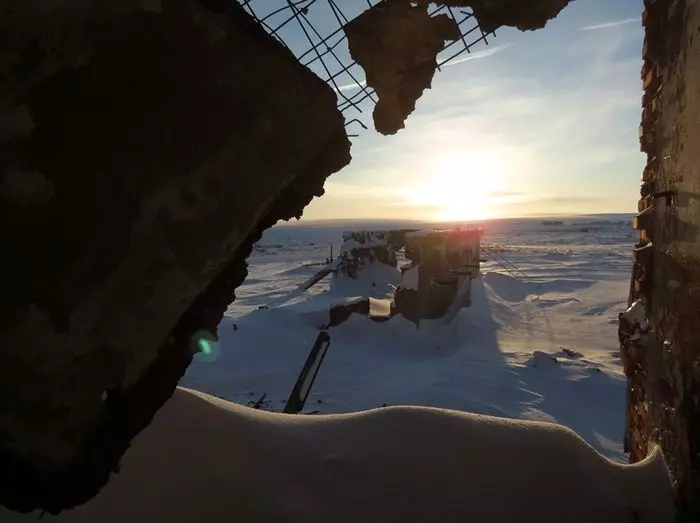
Residents began relocating to nearby cities and regions. Those who clung to their homes and refused to leave were eventually evacuated by riot police. Years later, the military began using the village as a weapons testing ground. Buildings were destroyed, and remnants of homes, including boxes with personal belongings and children’s toys, still scatter the picturesque tundra to this day.
[adinserter block=”1″]Finval – An Abandoned City of Submariners (Bechevinka)
The ghost town of Finval was built in the 1960s in the bay of the same name, not far from Petropavlovsk-Kamchatsky. Finval was founded as a transit point for sailors, and since 1971, it became a military base for submariners. That same year, the city was populated by members of the 182nd Marine Brigade, under the command of Valentin Ivanovich Betsa. The brigade consisted of 12 diesel submarines.
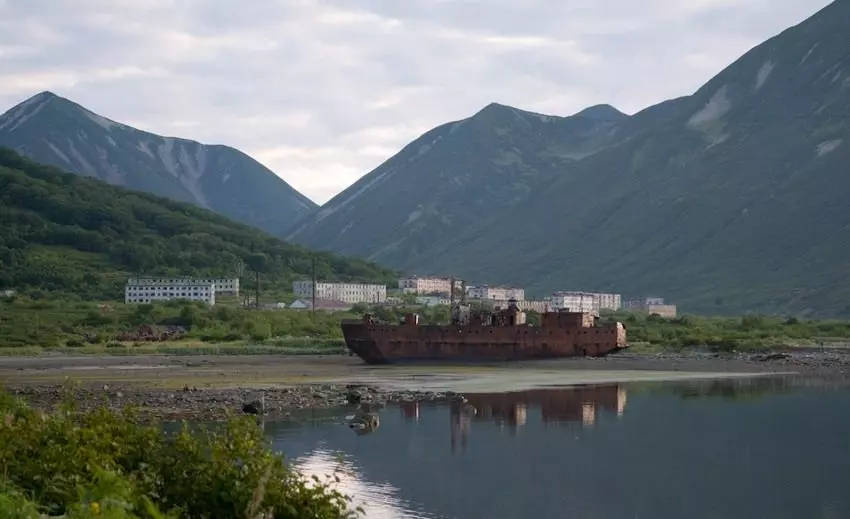
For the new residents, eight residential buildings, a kindergarten, a post office, a hospital, a school, and a shop were constructed. Each building had its own number and purpose. Some houses served as dormitories, while others were for officers and their families. In addition to the residential buildings, the city also contained barracks, warehouses, a headquarters, a fuel depot, and a boiler house.
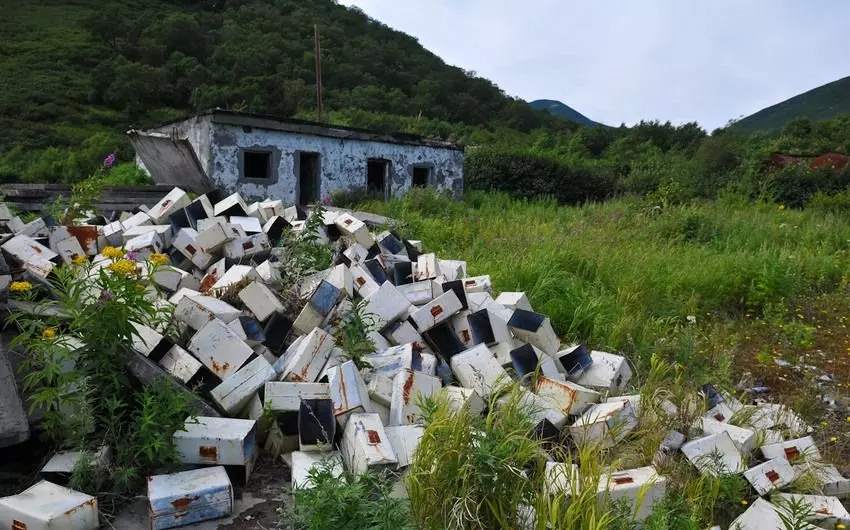
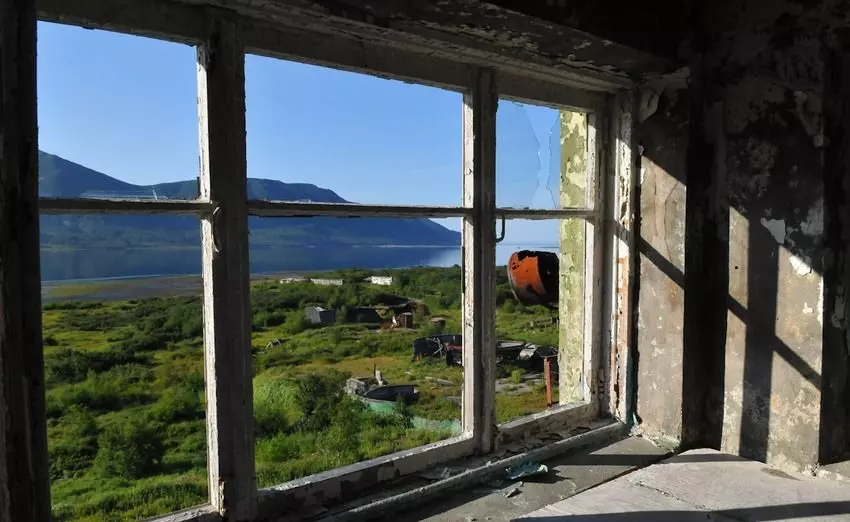
The only access to Bechevinka was by sea, on the Avacha transport and passenger ship, which made a weekly trip from Petropavlovsk-Kamchatsky. This ship delivered food and supplies to the city, and there was no land communication with the outside world. The city also housed two anti-aircraft batteries to protect the headquarters and nuclear warheads. These batteries were always on alert, thanks to regular exercises. The submariner base was a classified facility, and as such, its real name was not listed on maps or official documents. Instead, a different name, Finval, was used for official paperwork.
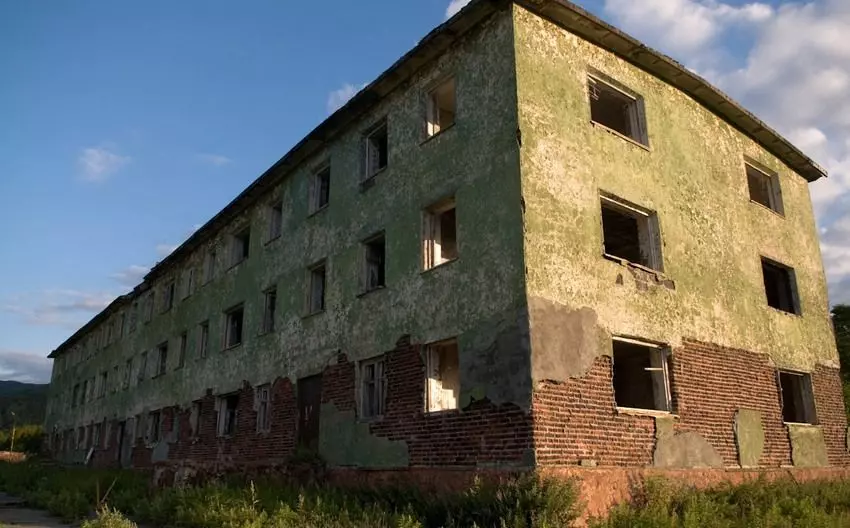
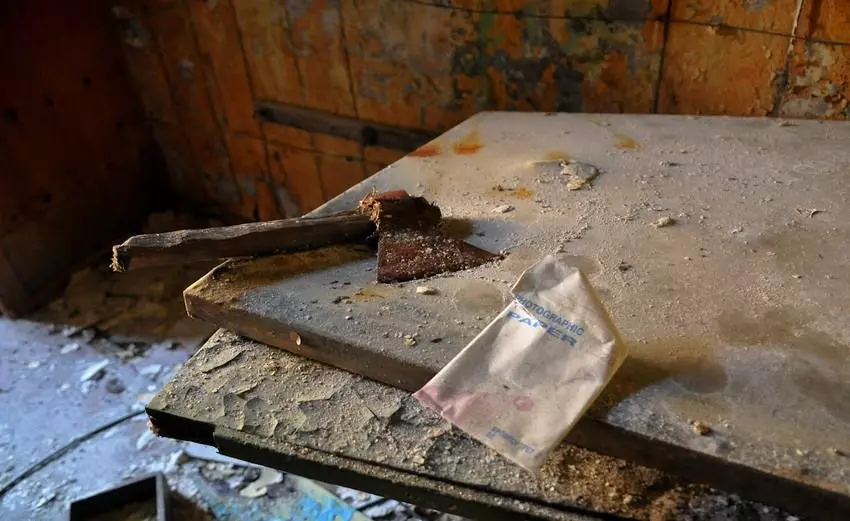
Over the years, the brigades and crews were rotated several times. In 1996, following the collapse of the USSR, funding for the secret base ceased, and the submarines were relocated to Zavoyko. As for the population of Finval, the Russian government issued a decree for the base’s closure and evacuation. Residents were instructed to take their furniture and personal belongings to Avacha, as no other transport was provided. They took what they could carry, as staying in the city was no longer possible—electricity and heating were shut off.
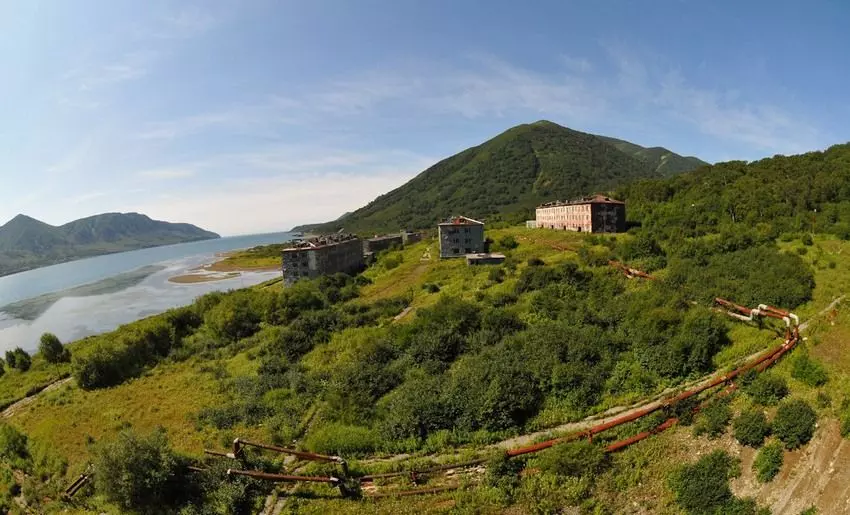
Military property was removed with the help of tank landing ships, but not everything was taken. Dangerous fuels, lubricants, and rocket fuel were abandoned because there were no funds for their disposal.

The abandoned homes, still containing personal belongings, serve as a haunting reminder of the city’s former life. Today, Finval has become a haven for wild animals. One of the remaining traces of the secret base is the submerged wreck of the UTS submarine, which can be seen by travelers off the coast of Bechevinka Bay. Photo: Ivan Kozlov
The Ghost of St. Petersburg – The Abandoned Hotel “Northern Crown”
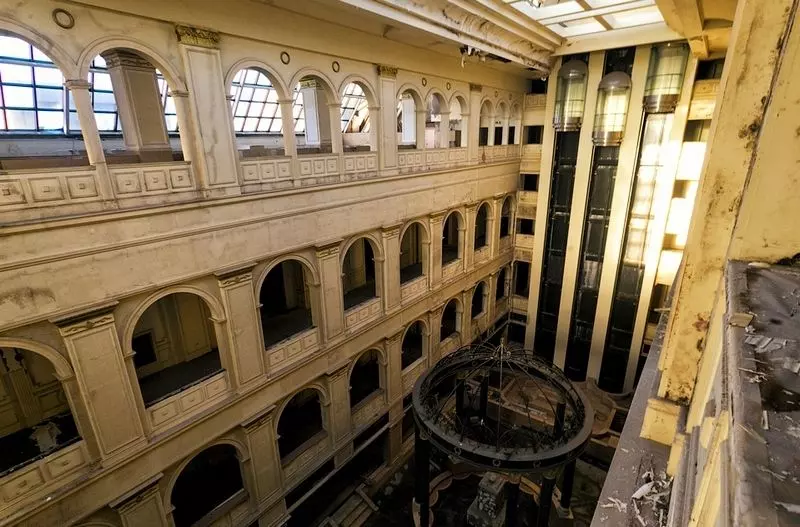
The construction of the “Northern Crown” hotel began in 1988 under the order of the State Committee for Tourism of the USSR. The construction company Monteksgroexport from the then still-existing Yugoslavia took on the project. The plan was to build a luxurious 5-star hotel with 247 rooms, occupying an area of 50,000 square meters. Originally named “Petrogradskaya,” the construction of the hotel began but was never completed, as evidenced by photographs of the abandoned building.
Why Did This Happen?
The grand hotel was designed to feature 5 restaurants, 6 bars, 3 cafes, a conference hall, a sports complex, a swimming pool, underground parking, and a VIP area. There were also plans for an open terrace with a fountain on the roof. However, the hotel was never destined to open.

The first obstacle to its completion was the cessation of funding due to the collapse of the USSR. The unfinished hotel was transferred to the joint-stock company “Interhotel Petrograd,” and its construction was continued by a Turkish company. At the same time, the Yugoslavian construction company, facing financial difficulties, filed a lawsuit against the owners.
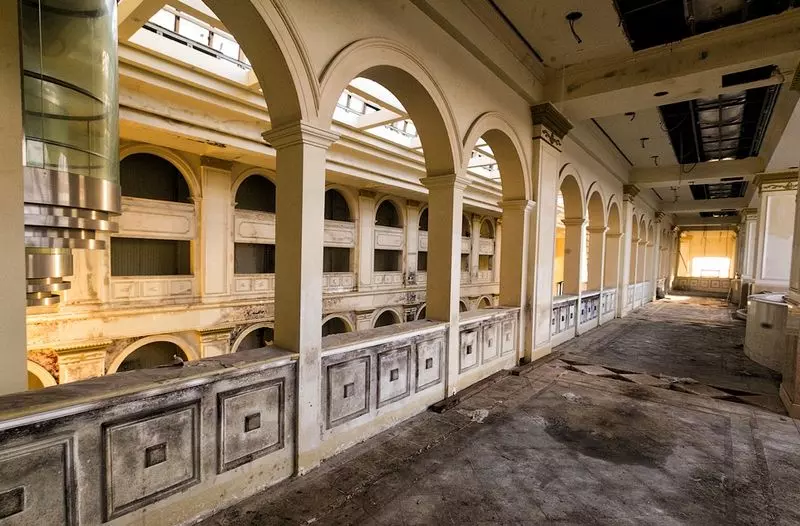
Despite significant investments, construction continued, and the opening date of the long-awaited hotel was even planned. However, in 1995, construction was once again halted when the hotel was approximately 90% complete. In 2004, the notorious long-term construction project was sold to the joint-stock bank “Evrofinance Mosnarbank.”
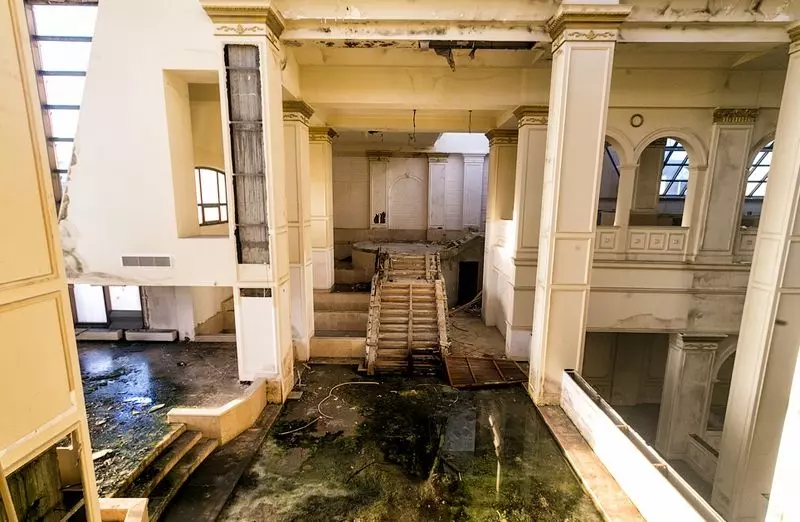
Plans were made to complete the construction by 2008 and open the hotel under the famous Le Meridien brand. But a year later, it was decided to demolish the building due to serious structural defects that made the supporting framework of the hotel unsafe and unfit for use.
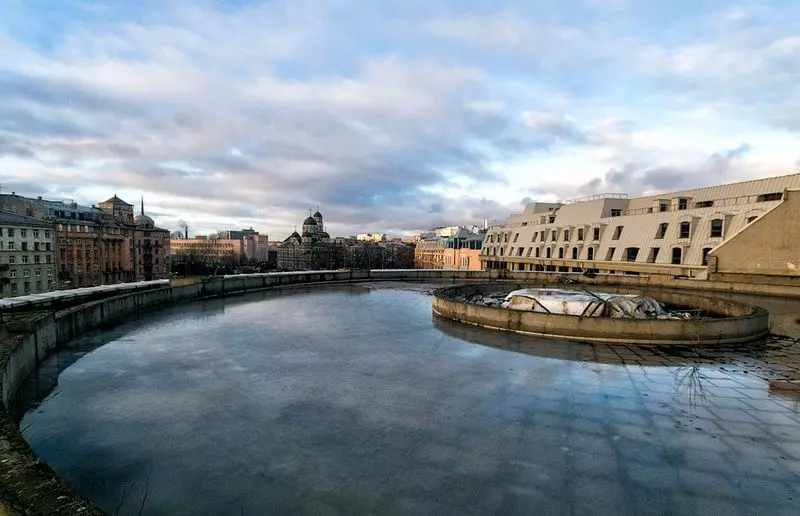
The most expensive unfinished hotel in St. Petersburg was forgotten. The entrances were sealed, and the building was surrounded by barbed wire. Access is now restricted to the roof and a few rooms on the ground floor. The “Northern Crown” has become a ghost building, attracting thrill-seekers and urban explorers.