David-Haradok, a town rich in history and culture, offers a unique glimpse into the past through its remarkable landmarks. From the 17th-century wooden Church of St. George to the early 20th-century Church of Our Lady of Kazan, as well as the monument to Prince David, each site tells a story of faith, architectural beauty, and local heritage. This guide explores these sacred and historical treasures, shedding light on the town’s deep cultural roots and the revival of its spiritual life.

The Ancient Church of St. George in David-Haradok
The main attraction in David-Haradok is the old wooden Church of St. George, which was probably built in 1724. However, some sources suggest that the temple may be much older and date back to the second half of the 17th century.In this outwardly modest temple, one could once see a beautiful wooden carved iconostasis, made in 1751 (now housed in the museum). The iconostasis has four rows and several picturesque compositions, including “Christ the Pastor,” “Landscape with a Mountain,” and “Archangel Michael.”
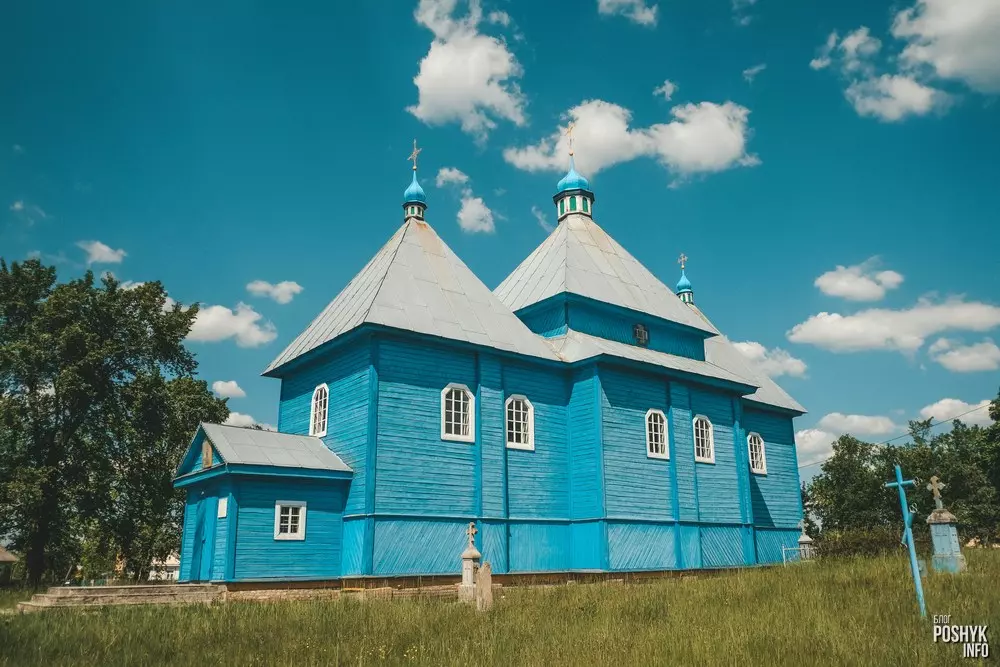

During the Soviet period, the church in David-Haradok was closed, but it was returned to the believers in the early 1990s, partially restored, and renovated. In addition to its impressive age, the church is also notable for its atypical architecture. This temple is an example of wooden architecture, consisting of a three-part volume with a small vestibule. Each of the three sections is covered with a hipped roof, ending in an onion cupola.
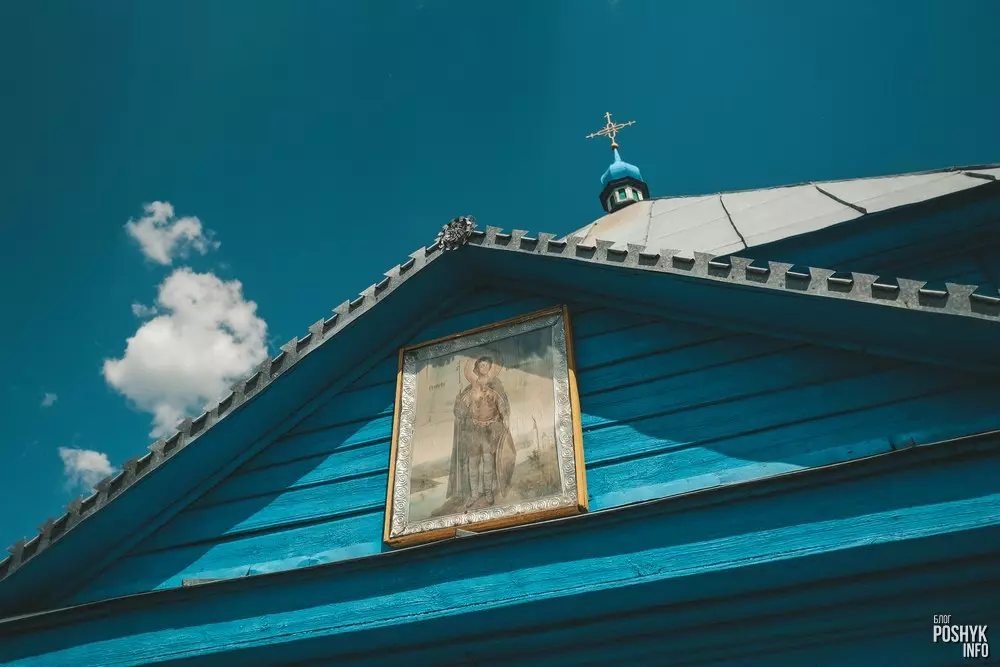
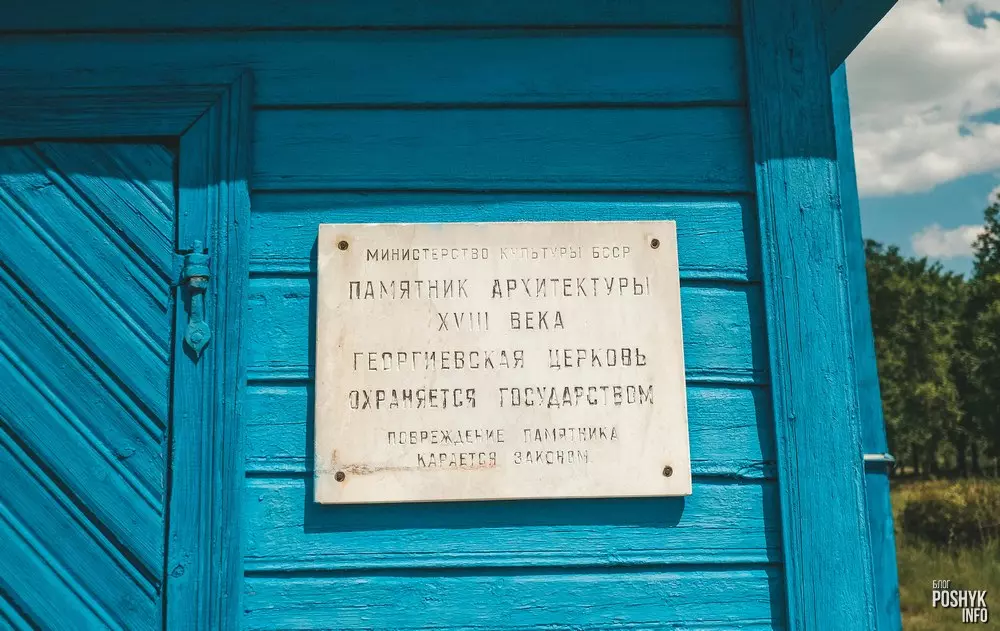
On the church grounds, there is an ancient cemetery and a bell tower. This small bell tower was built in the middle of the 19th century, replacing an earlier one. The church is located near the town center. If you enter the city from Olshan, the landmark is the intersection of Oktyabrskaya, Sovetskaya, and Ostrovskogo streets.
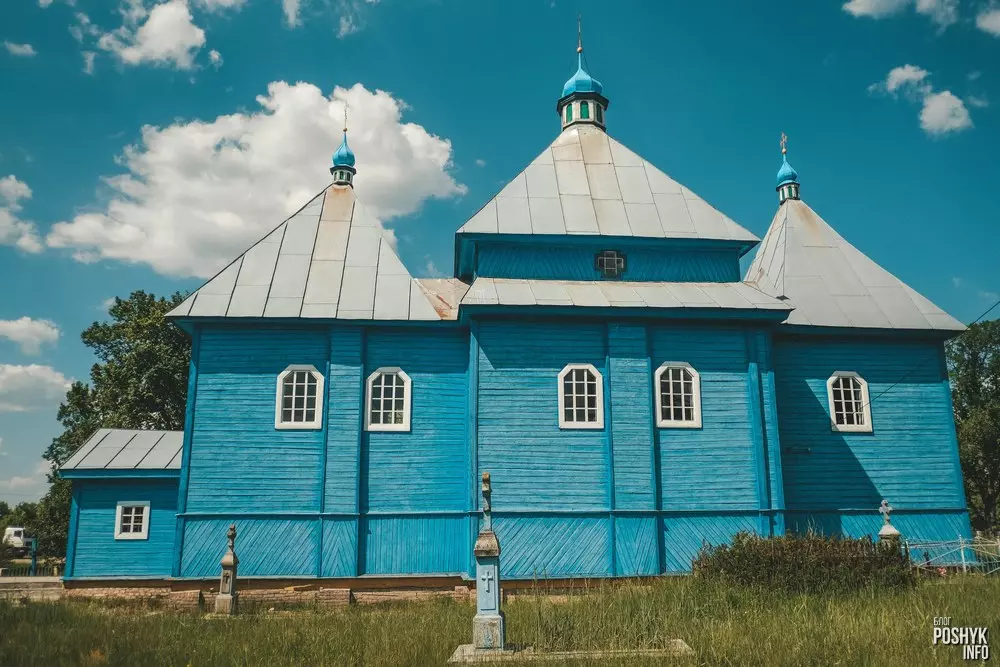
In this outwardly modest temple, one could previously see a beautiful wooden carved iconostasis, it was made in 1751 year (now in the museum). The iconostasis has four rows and several picturesque compositions: “Christ the Pastor”, “Landscape with a mountain” and “Archangel Michael”. During the Soviet period, the church in David-Gorodok was closed, returned to believers in the early 90s, partially restored and renovated.
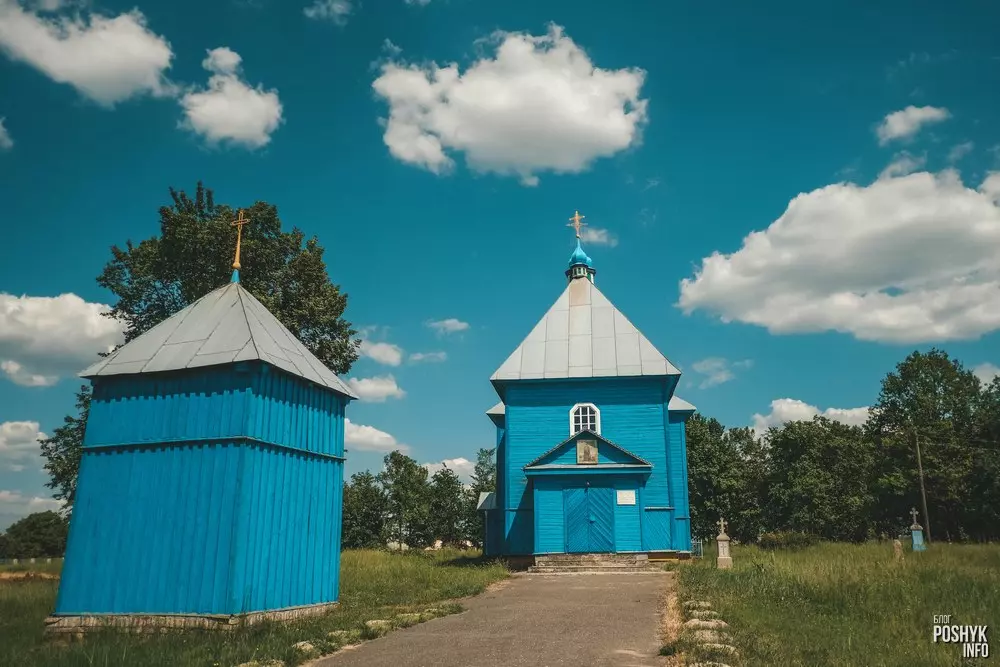
In addition to its impressive age, the church is also interesting for its atypical architecture. This temple is an example of wooden architecture, which is a three-frame volume with a small vestibule. Each of the 3 sections is covered with a hipped roof, ending with an onion cupola. On the church territory there is an ancient cemetery and a belfry tower. This small bell tower was built on the site of the old one in the middle of the 19th century.The church is located near the center. If you enter the city from Olshan, then your landmark is the intersection of Oktyabrskaya, Sovetskaya and Ostrovskogo streets.
Church of the Body of God in David-Haradok
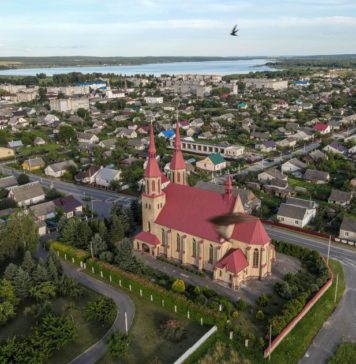
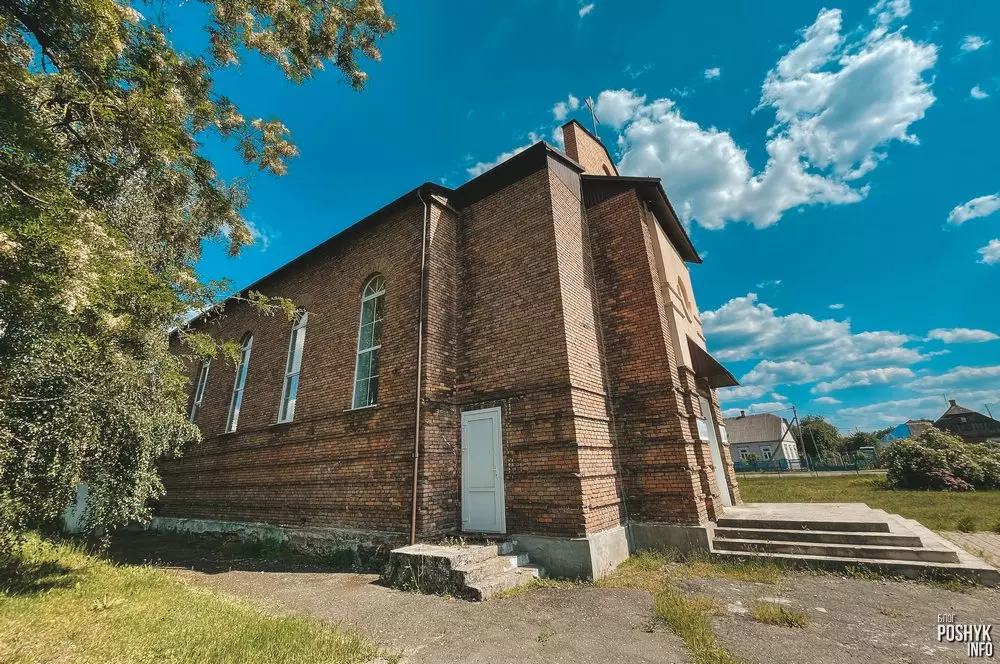
The Catholic Church in David-Haradok was built in 1936. The parish operated for only a few years before it was closed. After the war, the Soviet authorities decided to demolish the bell tower and convert the building into a club (there were already enough churches in the city). The House of Culture was located in the church for 70 years, until in 2017, the authorities decided to return the church to the Catholic community.
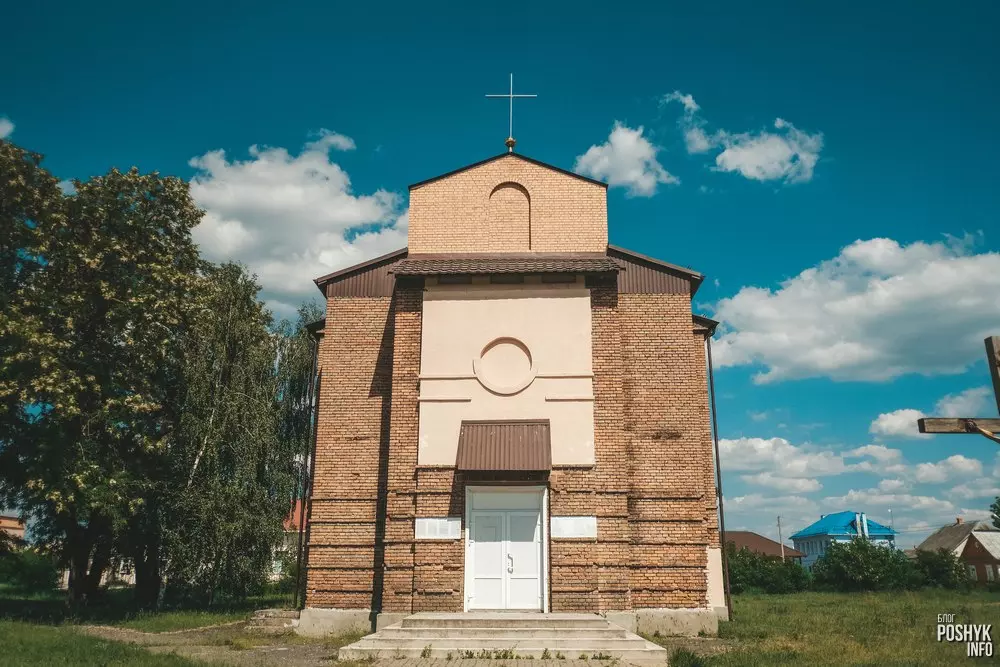
The building has been renovated to the extent that funding allows, and it is planned to reopen to the public. The original version of the church had features of constructivist architecture.

The church is located on Lermontova Street, No. 2.
Monument to Prince David in the Stolin Region
A central attraction in David-Haradok is the monument to Prince David Igorevich, installed near the local House of Culture. It is believed that this Volyn and Dorogobuzh prince was involved in the founding of the city.
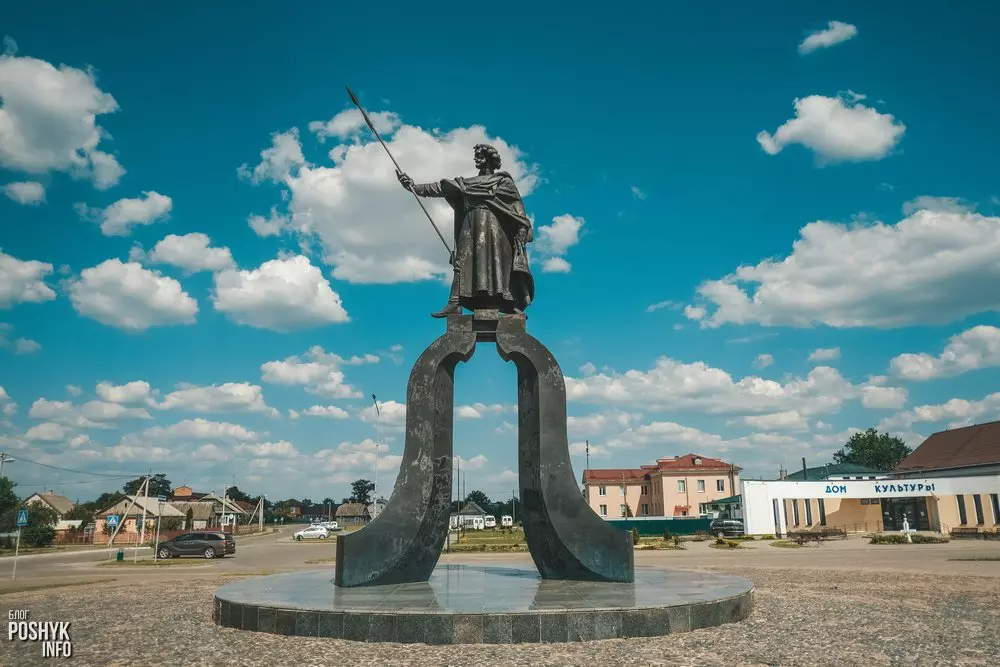
The monument was designed by sculptor Alexander Dranets and architect Leonid Levin. The grand opening took place in 2000, marking the 900th anniversary of the city’s foundation.
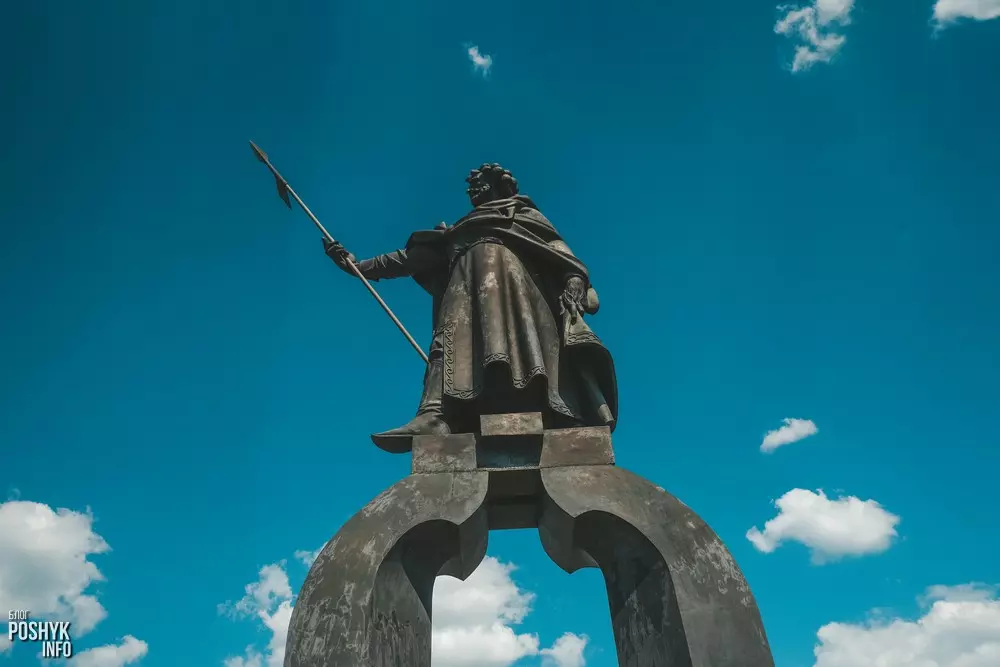
The sculpture of the prince points with a spear toward the settlement, where David-Haradok is believed to have begun. At the base of the monument is a simple, concise inscription: “Prince David.”
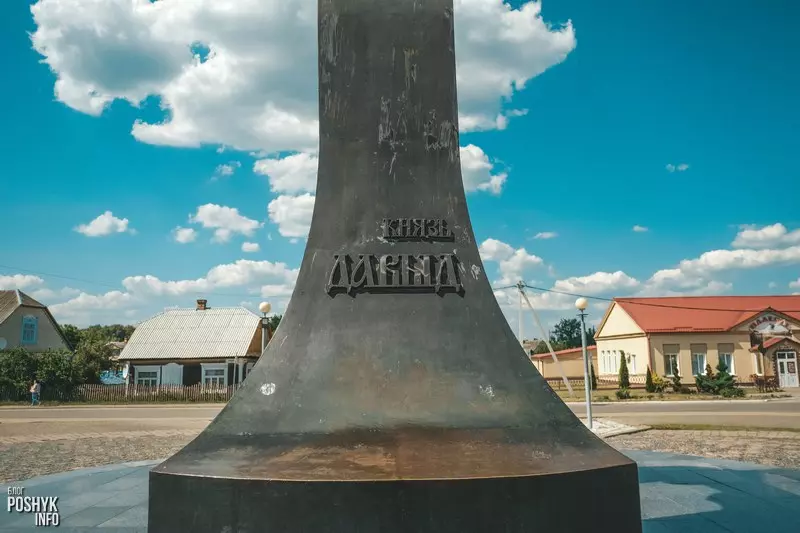
The monument is located closer to the center, just behind the Goryn River.
Church of Our Lady of Kazan in David-Haradok
David-Haradok is located near the P88 highway, between Stolin and Turov. Among the city’s attractions, I would like to highlight several notable sites: the wooden church, the Catholic church, the monument to Prince David, and the stone Church of Our Lady of Kazan. Here is a brief overview of the latter.
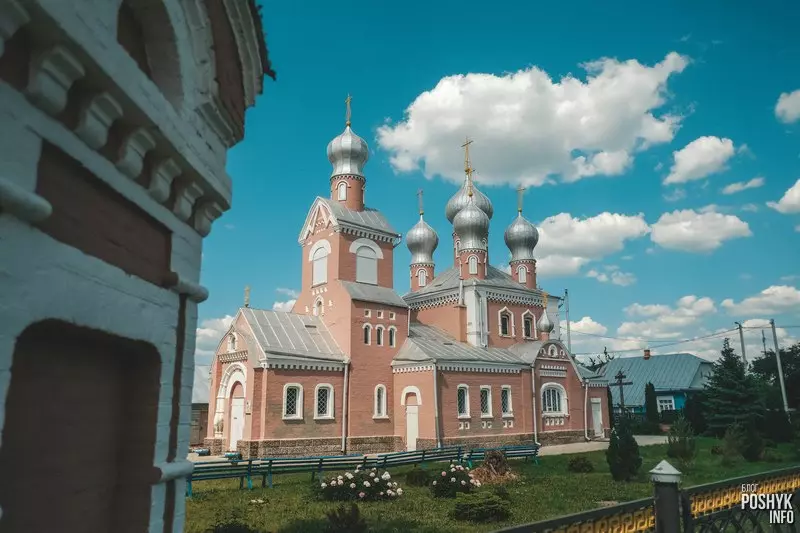
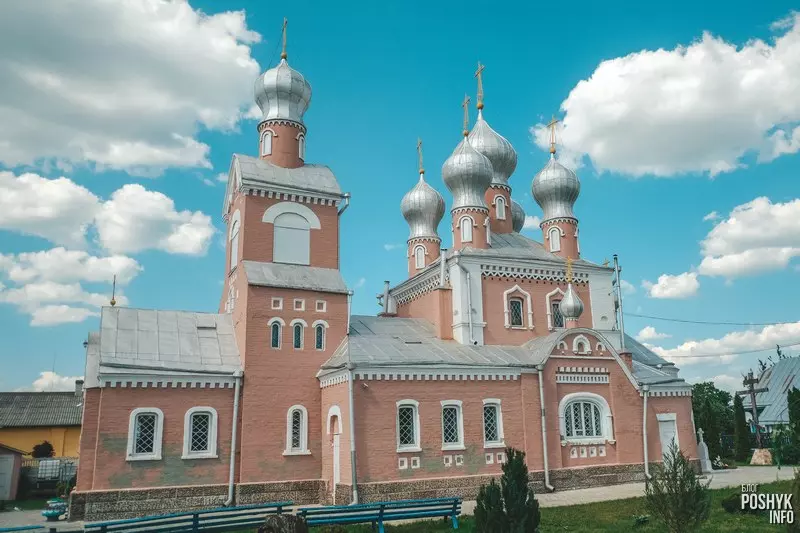
The Church of Our Lady of Kazan was built in 1913 on the site of previous temples. Architecturally, the building belongs to the traditional pseudo-Russian style. It stands out with its faded pink color (formerly red), which is atypical for the region, as most Orthodox churches in Polesye are blue and made primarily of wood. In front of the church entrance is a three-tiered gate topped with an onion dome.Notable is the chapel located at the corner of the church grounds, which stylistically harmonizes with the main building. Like the temple, it was also built in 1913.
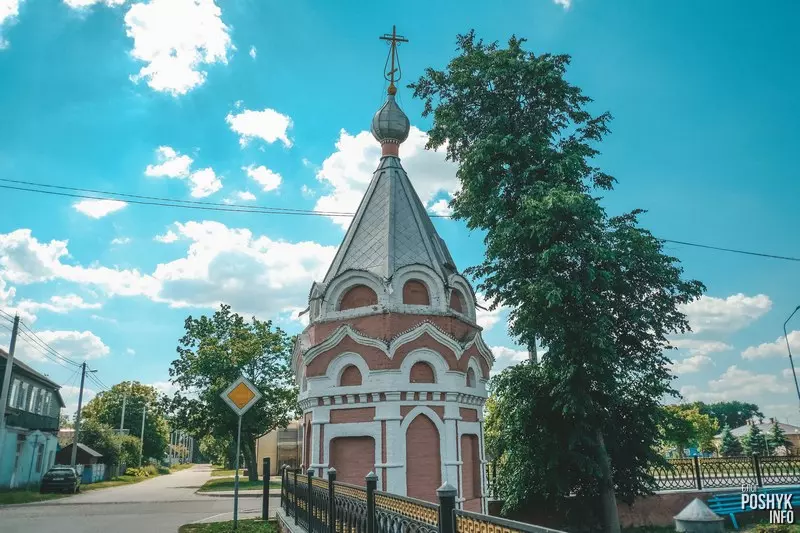
The church itself has a fairly standard structure: a vestibule, a bell tower, and a prayer hall, which is adjoined by small semicircular sacristies. The main volume of the temple is topped with traditional onion cupolas (five on the main building, one on the tower, two on the sacristies, and one on the chapel, as well as one on the gate).
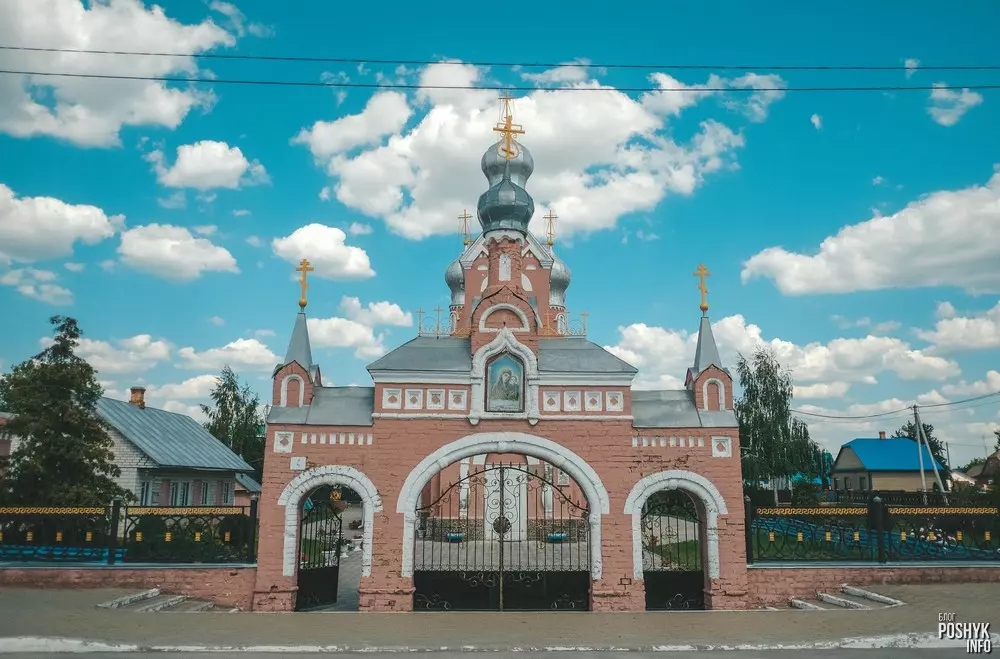
Finding this city attraction is not difficult. From Sovetskaya Street, turn onto Yukhnevich Street near the square.