Understanding the consequences of environmental catastrophes should teach us to be more attentive and responsible toward nature and the world around us. Below, we will describe some of the most catastrophic events to show what negligence and indifference to safety can lead to.
Gulf of Mexico Disaster
On April 20, 2010, an explosion occurred on the Deepwater Horizon oil platform due to a technical malfunction. As a result, a massive amount of oil was released into the Gulf of Mexico. For 152 days (the duration the oil continued to spread on the water’s surface), 75,000 square kilometers of the sea were covered in an oil slick.
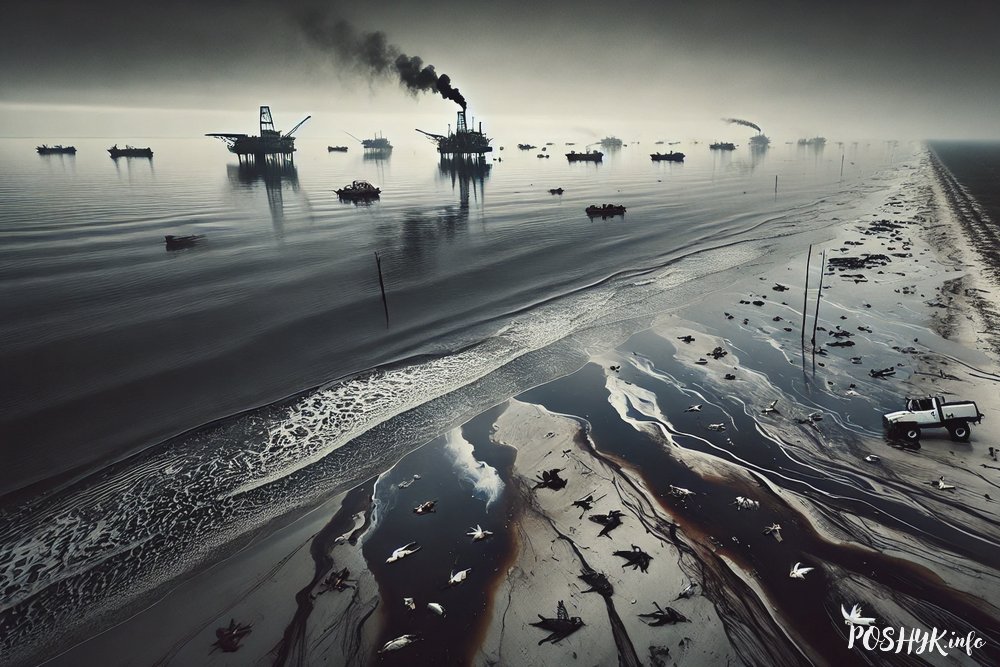
The states adjacent to the Gulf were affected, but the most severe damage occurred in Alabama, Mississippi, Florida, and Louisiana. The oil spill harmed about 400 animal species, and hundreds of birds, amphibians, and fish died along the coast. The colossal damage caused by this disaster cannot be measured in monetary terms.
The Bhopal Disaster
On December 3, 1984, a toxic insecticide chemical, Sevin, leaked from the Union Carbide plant in Bhopal, India. As a result, 42 tons of toxic methyl isocyanate gas were released into the air, leading to the immediate deaths of 3,000 people and an estimated 15,000 deaths in the following years.

The cause of the leak is still unknown, but one of the primary theories suggests sabotage at the plant, or negligence in safety measures, which could have prevented the disaster.
The Death of the Aral Sea
Once the fourth-largest lake in the world, the Aral Sea began to shrink in the 1960s due to the diversion of water from its tributaries for agricultural irrigation. As less and less water flowed into the lake, it began to dry up. Today, the site of the once-mighty lake is now the Aralkum Desert.
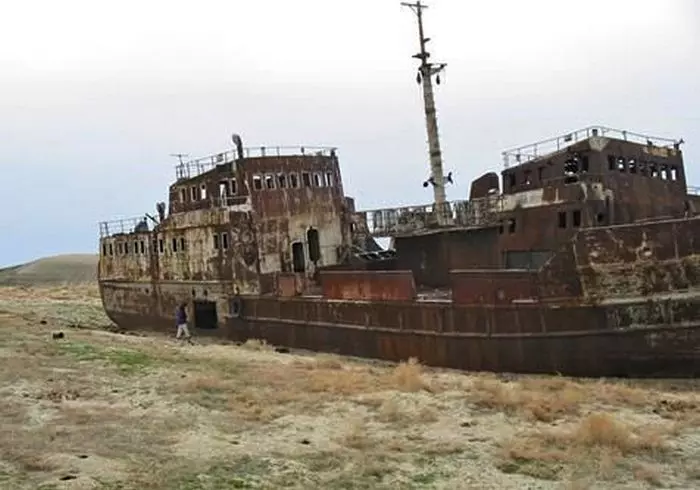
This uncontrolled intervention in nature led to the extinction of dozens of species of animals and fish, and the local climate changed dramatically. The lake’s bed is covered with a layer of pesticides used in farming, and the ecological consequences are still being felt. During strong sandstorms, these toxic particles are carried for hundreds of kilometers, continuing to harm nature, human health, and the environment.
[adinserter block=”1″]Chernobyl Disaster
On April 26, 1986, one of the most devastating environmental disasters in human history occurred at the Chernobyl nuclear power plant in Ukraine. The damage from the disaster is measured in tens of billions of dollars, and the long-term health effects are still being felt by those exposed to radiation.
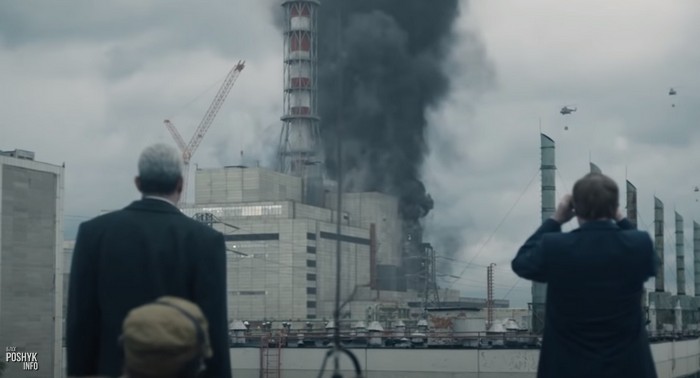
Scientists continue to debate the full extent of the long-term ecological impact, but it is clear that this event caused untold suffering and loss, not just in the immediate vicinity of the plant, but across vast areas of Europe.
The Sandoz Chemical Plant Accident
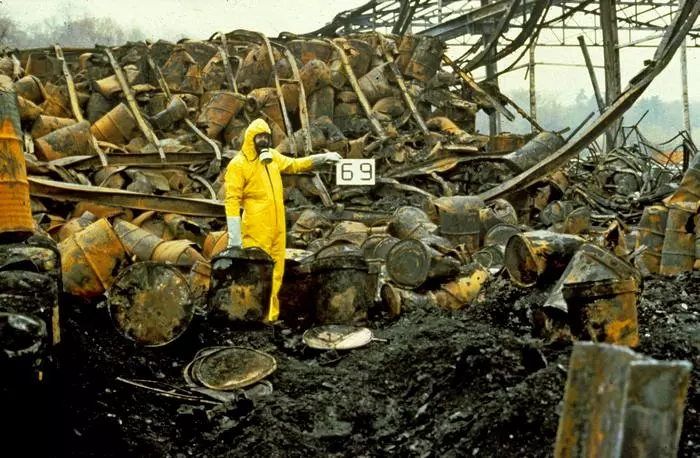
On November 1, 1986, an accident at the Sandoz chemical plant in Switzerland led to the release of around 30 tons of agricultural pesticides into the Rhine River. The contamination caused the death of millions of aquatic organisms and seriously polluted the water.
The Deadly London Smog
On December 5, 1952, an acrid smog descended on London. The causes of the smog are still debated, but it lingered for four days. Hospitals quickly filled with patients suffering from damaged lungs, and the toxic haze led to the deaths of an estimated 3,500 to 4,000 people.