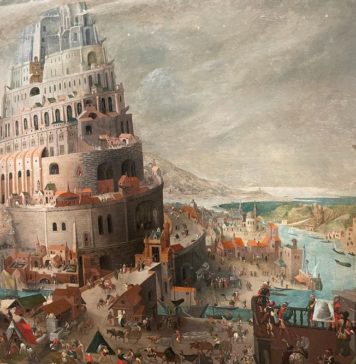
The castles of Belarus preserve the centuries-old history of our country and attract tourists, travelers, and admirers of antiquity from all over the world. Naturally, due to our geographical location, many of these monumental structures were either destroyed or severely damaged over time. However, a significant number of castles and palaces have survived—and they truly deserve attention. These iconic, unique buildings are rich with secrets and mysteries, offering a fascinating glimpse into the past.
Mir Castle (Mirski zamak)
Mir Castle, also known as the Castle of the Ilinich and Radziwiłł families, is rightfully considered one of the main attractions of Belarus. It is a well-preserved and extensively restored example of Belarusian architecture.

Construction of the castle began in the 16th century, when the moat, walls, and towers were built. Later, in the 17th century, under the Radziwiłłs, construction of the palace complex itself began. Over the centuries, the castle was home to several prominent families, including the Ilinichs, Radziwiłłs, Wittgensteins, and Svyatopolk-Mirskys. The last owners undertook a complete reconstruction of the estate and even attempted to restore the original castle walls. During World War II, a Jewish ghetto was located on the castle grounds. Today, the castle is fully restored and open to the public. Visitors can freely access the grounds and purchase tickets to view the exhibitions inside.
Location:
Mir village, Korelichi District, Grodno Region, Belarus.
Accommodation Options:
In the village of Mir, you’ll find the Mirsky Posad Hotel, located in the central part of the village. It offers comfortable rooms, with prices starting from $44 (please check current rates for accuracy).
For a truly unique experience, you also have the rare opportunity to spend the night inside Mir Castle itself. While rooms are not often available, staying in the castle guarantees unforgettable emotions and a deep connection to history.
Nesvizh Palace (Niasvižski palac)
Another of the most famous palaces in Belarus is Nesvizh Palace—a stunning palace and park complex that once served as the residence of the powerful Radziwiłł family. It was built by order of Radziwiłł the Orphan under the supervision of Italian architect Giovanni Bernardoni. Throughout its long and eventful history, the palace was destroyed and rebuilt several times. Fortunately, it was repeatedly restored, preventing it from falling into long-term disrepair. As a result, the architecture of Nesvizh Palace features a rich blend of styles, including Baroque, Renaissance, Neoclassicism, and Art Nouveau.

Today, the palace is open to the public. Visitors can explore the arsenal, galleries with various exhibitions, and stroll through majestic parks, towering walls, and lavish chambers. The complex also hosts balls, historical reenactments, knight tournaments, concerts, and theatrical performances.
Location:
Nesvizh, Minsk Region, Belarus.
Excursions:
Like Mir, Nesvizh is a very popular tourist destination. A wide variety of excursions are available and can be booked online in advance or on-site via a live queue, depending on your preference.
Accommodation:
The town of Nesvizh offers the Hotel Nesvizh, which provides good service and comfortable rooms starting from around $50 (please check current prices). For a truly memorable stay, visitors also have the rare opportunity to spend the night inside the historic Radziwiłł Palace itself.
Puslovsky Palace in Kossovo (Kosaŭski palac)
The Kossovo Palace of the Puslovsky family is a breathtaking architectural gem. Tragically, in 1944, a fire caused severe damage, and almost nothing remained of the castle’s once-luxurious interior. The architectural design of the palace complex was created by František Jaszold, while the interior design and artistic decoration were carried out by the Italian artist Marconi.
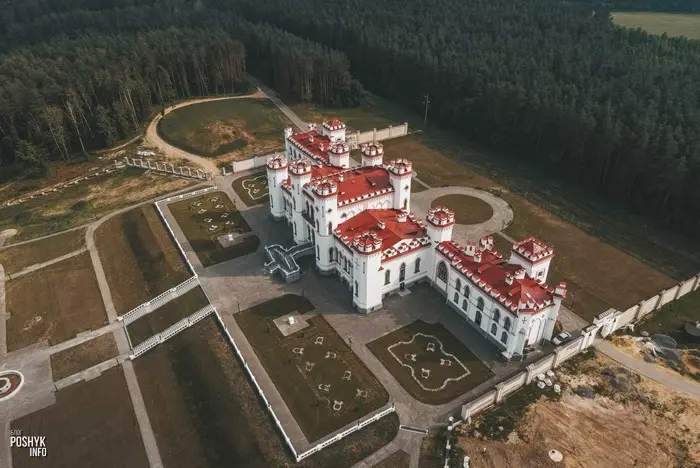
Today, much of the reconstruction work has been completed. Visitors can explore parts of the exhibition display and even spend the night in the palace itself. The surrounding palace grounds, featuring a landscape park, as well as the nearby Tadeusz Kościuszko Museum, are also open to the public.
Location:
Kossovo, Ivatsevichy District, Belarus.
Construction Period:
Mid-19th century. Full restoration completed only recently.
Excursions:
Group and package tours are available, often including multiple castles across Belarus as part of the itinerary.
Ruzhany Palace (Ružanski palac Sapiehaŭ)
Anyone interested in the castles and palaces of Belarus should not miss Ruzhany. This historic site was once one of the main residences of Lew Sapieha, a prominent statesman of the Grand Duchy of Lithuania. In its prime, the estate included over 400 courtyards, a tile and brick factory, a school, a monastery, churches, a vast library, and even a private theater.

Unfortunately, the devastation of the First and Second World Wars left the once-grand palace in ruins. Today, the final phase of the reconstruction is underway. The entrance gate and eastern wing have already been restored. Inside, visitors can view an exhibition showcasing artifacts and interior elements from the residence’s golden age.
Location:
Ruzhany, Brest Region, Belarus.
Construction Period:
Originally built in the 17th century, with later modifications and reconstructions.
Excursions:
Ruzhany Palace is most often visited as part of group tours, frequently included in multi-castle travel packages.
Where to Stay:
There are several agrotourism estates and guesthouses in the vicinity of Ruzhany, offering cozy accommodations in a rural setting.
Lida Castle (Lidski zamak)
Construction of Lida Castle began in 1323 by order of Grand Duke Gediminas. This brick and stone fortress was part of a defensive line protecting the region from attacks by the Crusaders, alongside other strongholds like Troki, Medniki, Krevo, and Novogrudok. Throughout its long history, the castle endured multiple sieges and devastation but steadfastly defended the land from invaders. Today, the castle has been fully restored and serves as a vibrant center of medieval culture in Belarus.

Location:
Lida, Grodno Region, Belarus.
When Built:
Early 14th century.
Excursions:
Visitors can join on-site sightseeing tours or book guided tours online with experienced guides.
Where to Stay:
Lida offers an inexpensive hotel conveniently located in the city center.
Old Castle in Grodno (Stary zamak Batoryja ŭ Hrodnie)
The first wooden buildings on the site of the Old Castle appeared in the 11th century, but the site gained true significance as a palace and castle complex at the end of the 16th century under Stefan Batory. It was then that a Renaissance palace was constructed, designed by the Italian architect Scotto. Notably, the castle was continuously modified, rebuilt, and remodeled throughout its history. This allows visitors to trace the evolution of the Old Castle in Grodno through its various stages.

Location:
Grodno, Belarus.
When Built:
16th century (though today’s castle is the result of extensive reconstruction).
Excursions:
With an entrance ticket, visitors can explore the exhibition halls and museum collections housed within the castle.
Where to Stay:
Grodno offers several excellent hotels in the city center—check availability and prices before your visit. Alternatively, renting an apartment is a popular option; for example, apartments on Orzeszko Street have positive reviews.
Castle in Kreva (Kreŭski zamak)
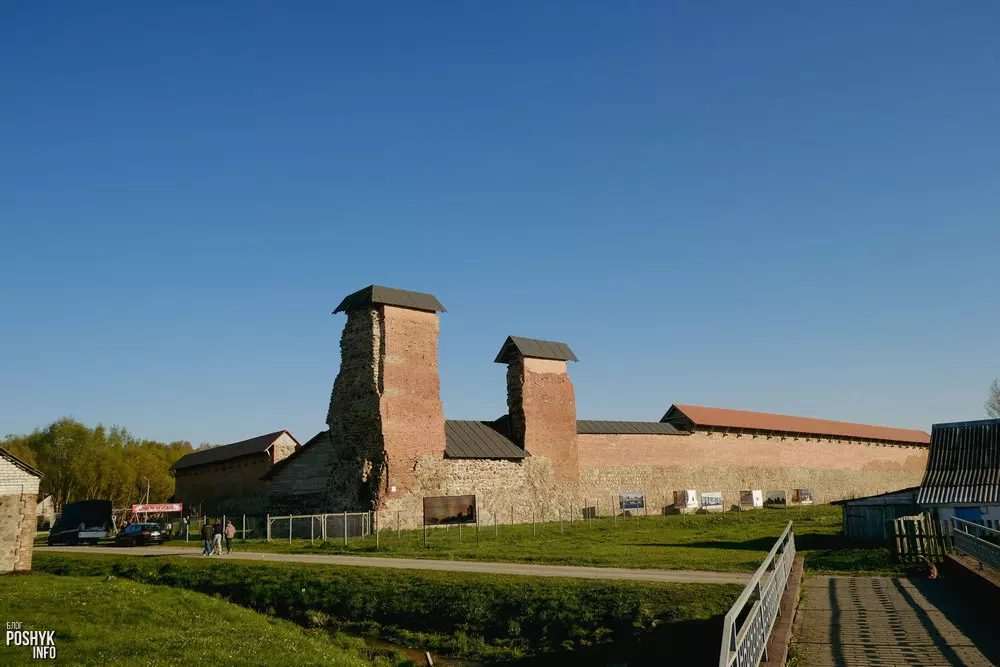
Recently, restoration work has begun on the ruins of Kreva Castle, originally built by the Grand Dukes of Lithuania. The castle was a defensive fortress centered around a four-tiered tower, with walls that were truly impregnable—reaching heights of 11 to 12 meters and up to 2.5 meters thick. The tower was also surrounded by a deep moat. Restoration efforts aim to bring these features back to life, and some progress has already been made. While Kreva Castle may lack elaborate architectural details like stucco or decorations, it holds great historical significance for anyone interested in the era of the Grand Duchy of Lithuania.
Location:
Kreva village, Smorgon District, Grodno Region, Belarus.
When Built:
Mid-14th century. The fortress was heavily damaged but is now undergoing reconstruction.
Excursions:
Visits to Kreva are often included in group tours exploring historic sites.
Where to Stay:
Accommodation options are limited nearby, but you can find farmsteads in the area or stay in the neighboring towns of Oshmyany or Ostrovets.
Navahrudak Castle
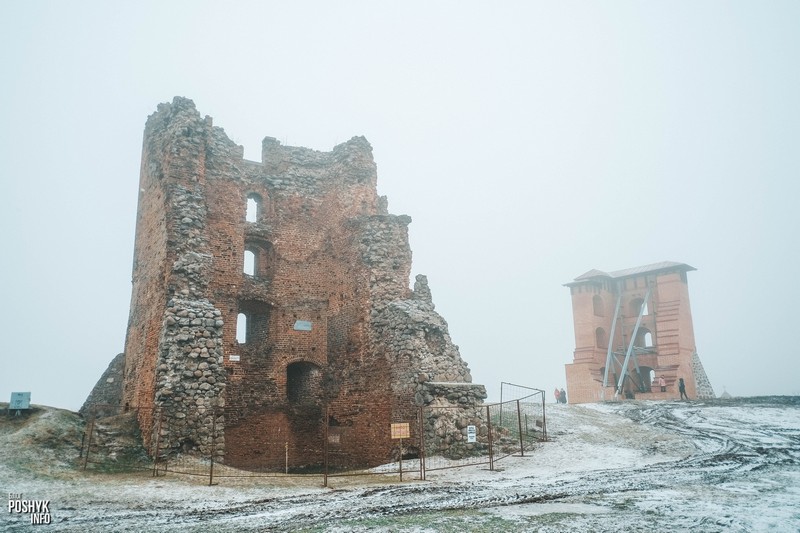
One of the oldest castles in Belarus, Navahrudak Castle is a unique monument of defensive architecture. Unfortunately, only the foundations and some sections of the walls and towers remain today. The entire complex is currently undergoing active reconstruction. In the 14th century, the castle featured seven towers and was considered the most solid and impregnable fortress of its time. It retained its defensive importance until the early 18th century.
Location:
Navahrudak, Grodno Region, in the very center of the city.
When Built:
From the mid-13th to the 15th century.
Excursions:
Local guides offer excellent tours of the castle and the city. Navahrudak itself is rich in historical sights, so a walking tour of the main landmarks is highly recommended.
Where to Stay:
There are several convenient hotels and apartment options in Navahrudak. If traveling by car, Hotel Krokus is a good choice, with rooms starting from around $30.
Castle-Palace in Halshany (Haĺšanski zamak)
Halshany Castle was built by the Sapieha family in the early 17th century, influenced by the then-popular Flemish architectural style. This influence is evident in the castle’s towers and facade. The building served not only as a defensive fortress but also as a residence for this prominent family. Today, Halshany Castle is undergoing reconstruction. One of its towers has already been restored. The site features a small museum and an observation deck, along with visitor infrastructure for a comfortable stay.

Location:
Halshany village, Oshmyany District, Grodno Region, Belarus.
When Built:
Early 17th century. The castle was destroyed but is now being carefully restored.
The Ruins of Smalyany Castle (“White Kovel”)
The fortress known as White Kovel was built by order of Prince Sangushko. The castle served dual purposes: it was both a defensive stronghold and a residence for the princely family. The fortress steadfastly protected the borders of the Grand Duchy of Lithuania during prolonged conflicts with the Moscow Principality. Naturally, this took a toll on the castle’s condition. After the Northern War, Smalyany Castle fell into disrepair. By the mid-19th century, if the castle had not passed into the hands of state councilor and engineer Valeryan Titov, it might have been dismantled by locals for bricks. However, Titov chose to preserve this historic monument, forbidding the dismantling of walls and even carrying out partial reinforcement of the remaining structures.
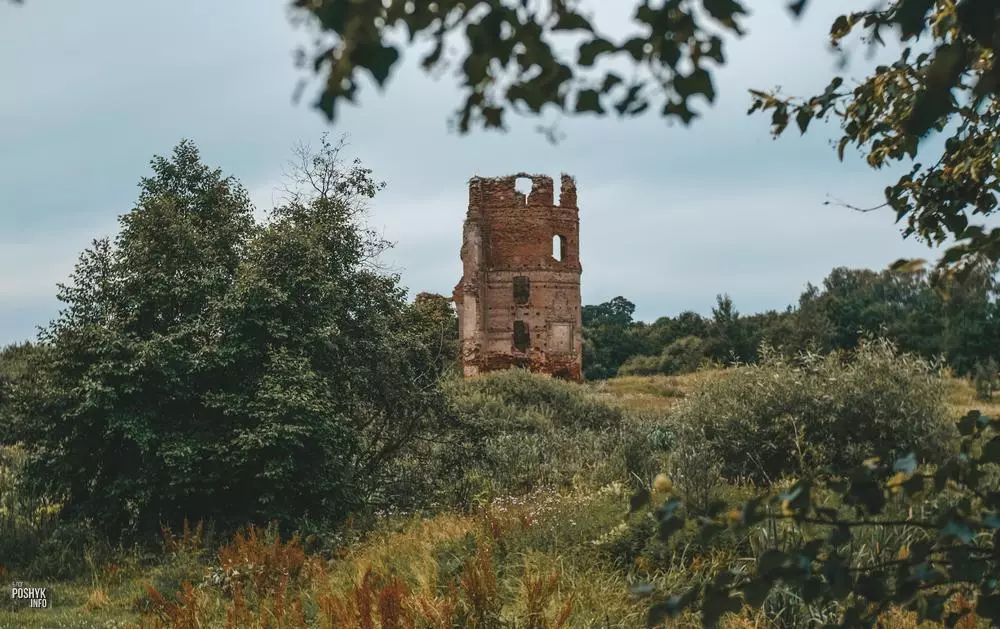
Location:
Smalyany, Orsha District, Vitebsk Region, Belarus.
Excursions:
There are no organized tours here, so visitors must explore the site independently.
Lyubcha Castle
Lyubcha Castle originally belonged to the Kiszek family and was mostly constructed of wood, except for one stone tower. At the end of the 16th century, the estate passed into the hands of Mikołaj Radziwiłł, who began large-scale construction of a full stone defensive fortress. Over the centuries, Lyubcha Castle was captured and partially destroyed several times but was always rebuilt. Unfortunately, the wars of the 20th century left the ancient fortress almost completely in ruins. Today, restoration efforts are underway — three towers have already been rebuilt.
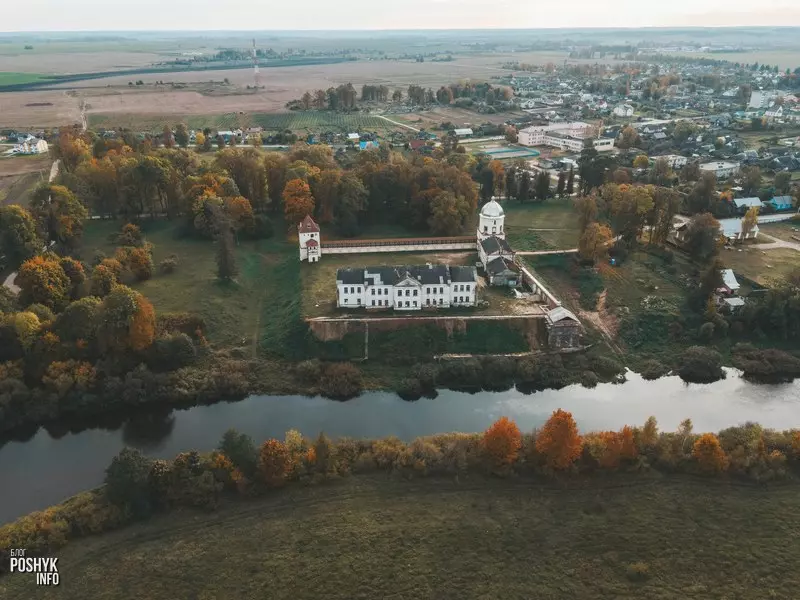
Location:
Village of Lyubcha, Novogrudok District, Grodno Region, Belarus.
When Built:
Late 16th – 18th century. (Note: The castle is currently undergoing reconstruction.)
Palace in Bykhaw (Bychaŭski zamak)
Bykhaw Castle was originally built as the center of the city’s fortifications — a citadel designed to repel enemy attacks. The structure combines architectural elements of both Baroque and Renaissance styles. Throughout its long history, the building has served various functions: a castle, military barracks, prison, and even a German military headquarters during wartime.

Although the castle once belonged to the noble Khodkiewicz and Sapieha families and is recognized today as a national architectural monument, it unfortunately remains in a semi-abandoned state.
Location:
Bykhaw, Mogilev Region, Belarus.
When Built:
Late 16th – early 17th century.
Pishchalauski Castle in Minsk
Almost all castles in Belarus are freely accessible, allowing visitors to enjoy their history and architecture. However, there is one notable exception — Pishchalauski Castle, also known as “Volodarka”. Many prominent Belarusians were once imprisoned within its walls, including Dunin-Martsinkevich, Yakub Kolas, Kahanets, Maksim Tank, and others. Today, Pishchalovsky Castle serves as Temporary Detention Facility No. 1, and access to its territory is strictly prohibited. However, part of the castle can still be viewed from the street.

Location: Minsk, Belarus
When built: Mid-19th century
Sapieha Castle in Vysokoye
The Sapieha Castle in Vysokoye once stood as a mighty fortress, having withstood numerous attacks and reconstructions. Despite being restored multiple times, it fell into disrepair after a devastating fire in 1748. Today, only fragments of the castle remain — specifically, part of the entrance gate, some fortifications, and the surrounding Sapieha Park, which is one of the oldest landscaped parks in Belarus. The park is home to several rare tree species for this region, such as pyramidal oaks, larches, and fig trees.
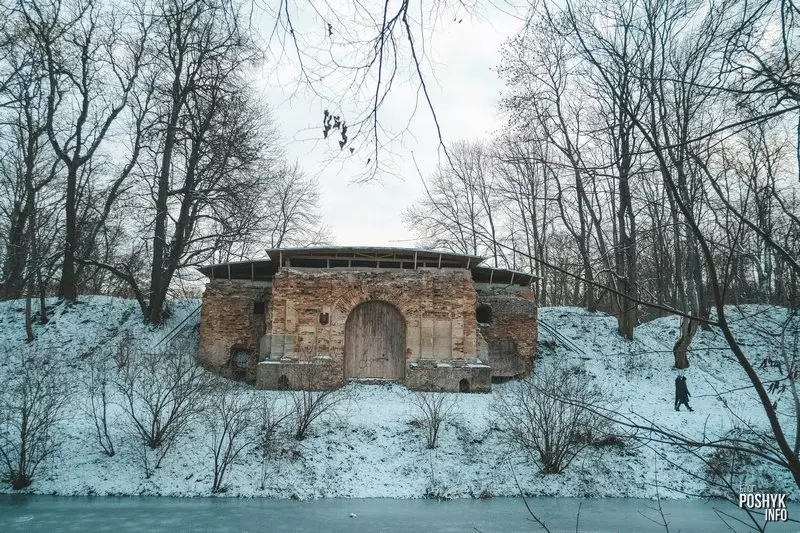
Location: Vysokoye village, Kamenets district, Brest region
When built: Late 17th century
Palace and Park Complex of the Volovich Family in Svyatsk
Not far from Grodno lies the picturesque village of Svyatsk, home to an elegant palace and park complex dating back to the late 18th century. The estate was designed by the renowned Italian architect Giuseppe de Sacco, who also contributed to several notable landmarks in the Grodno region — including the Poniatowski Theater, Tyzengauz Square and Palace, and the Stanislavovo Residence.
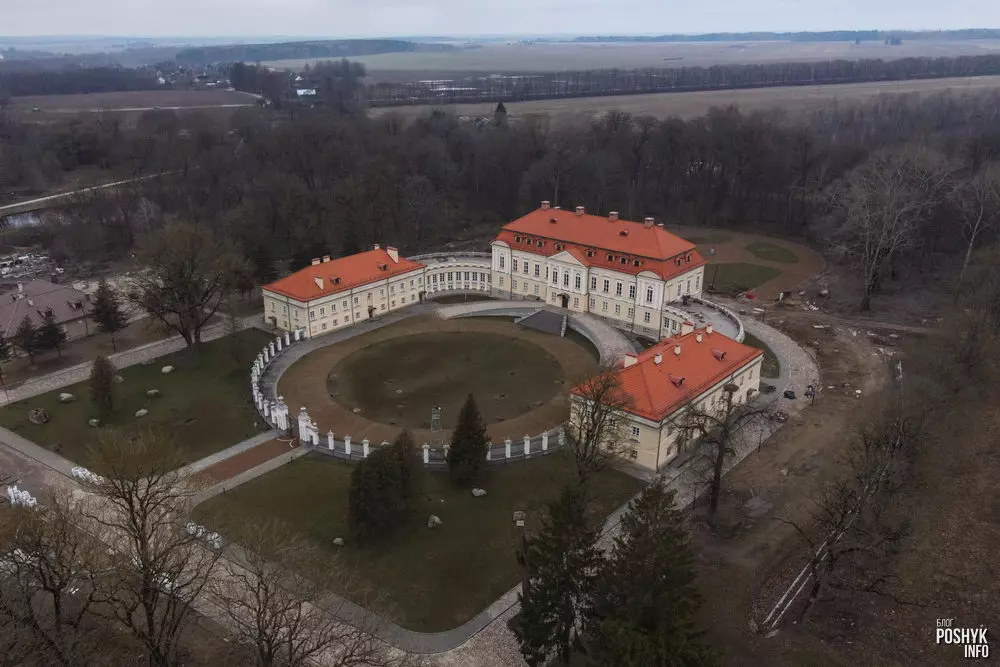
The Volovich Palace is a harmonious architectural ensemble, with the central structure being a two-story manor house built in classical style with baroque elements. Two symmetrical wings arc out from the main building, connected by a colonnaded arcade. The courtyard is circular, enclosed by a low decorative fence with an ornate entrance gate, completing the refined and stately composition of the estate.