Explore the city of Ivanovo, located in Belarus, Brest region, where history and culture intertwine. Discover the unique bronze monument to the famous traveler, artist, and composer Napoleon Orda, the only one of its kind in Europe. Visit the Church of the Intercession, a stunning example of pseudo-Russian architecture, and the Holy Cross Church, with its intriguing ties to Saint Andrei Bobola. Learn about Ivanovo’s fascinating past, from its architectural gems to the stories of resilience and restoration that have shaped this charming city.
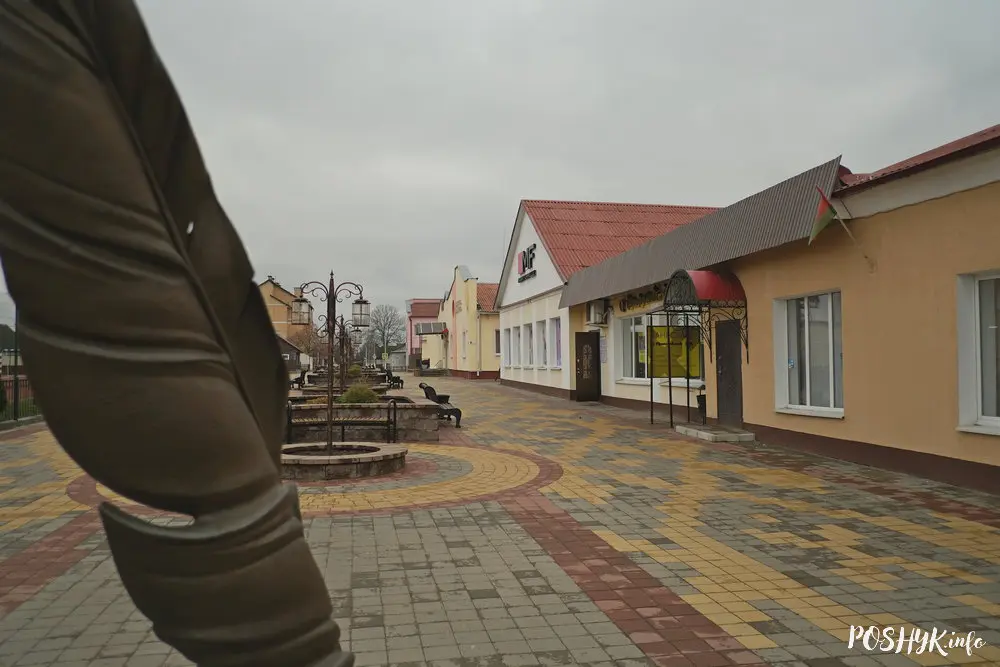
Monument to Napoleon Orda in Ivanovo
The city of Ivanovo (formerly Yanov) is the administrative center of the Brest region and is located near the M10 highway, which connects Kobrin and Gomel. Napoleon Orda was one of the most famous travelers in Belarus. Thanks to his drawings and lithographs, we can see what various landmarks looked like in the second half of the 19th century. Moreover, Napoleon Mateusz Tadeusz Orda was a prominent writer, composer, sculptor, and even a teacher. Such a person certainly deserves a monument in his homeland, which was erected in the city of Ivanovo (formerly Yanov).
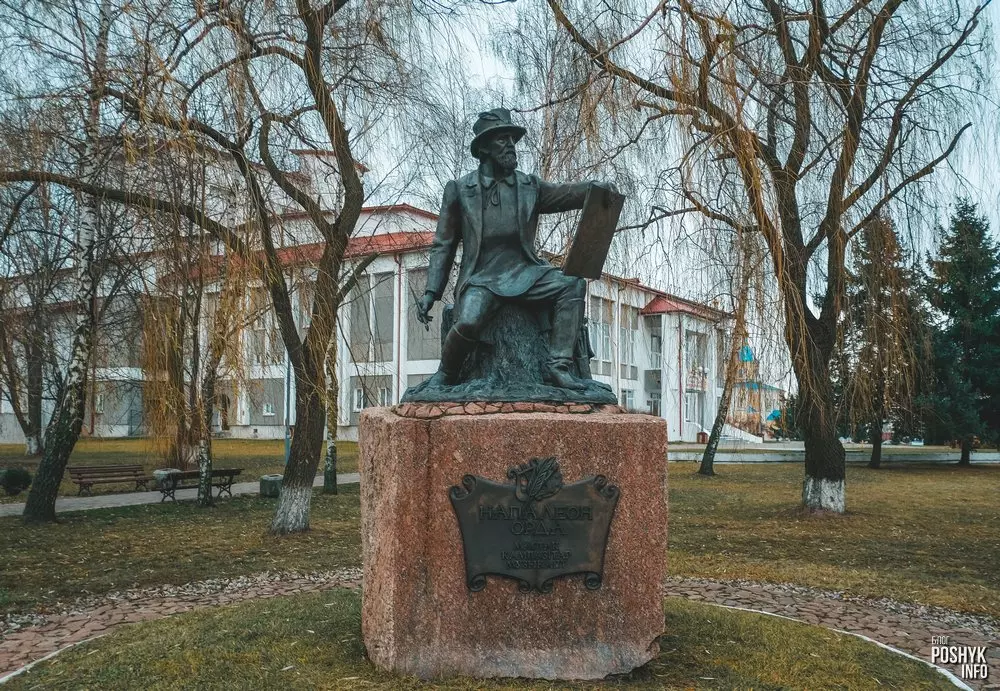
The bronze sculpture was installed in Ivanovo in 1997, thanks to the efforts of sculptor Igor Golubev. The composition depicts Napoleon Orda sitting on a stump, sketching an architectural drawing. Interestingly, this is the only monument to the legendary artist in all of Europe.

A few years ago, the monument was damaged by a strong wind, and the hand holding the tablet was torn off. Fortunately, the sculpture was quickly restored.

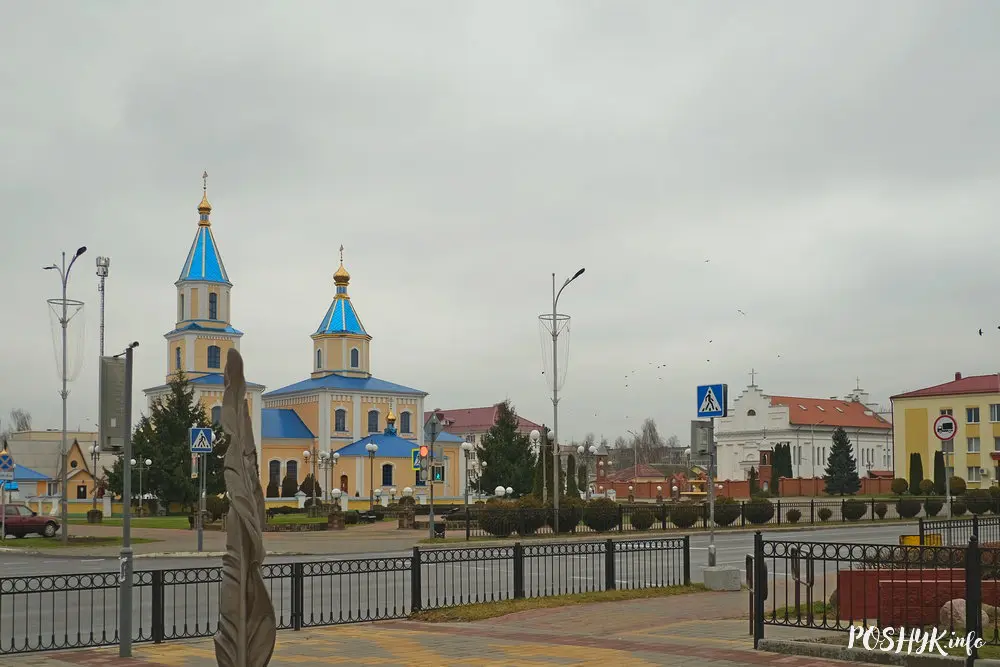
The monument to Napoleon Orda is located behind the Ivanovo Regional Center of Culture, near the Church of the Intercession.
Church of the Intercession in Ivanovo
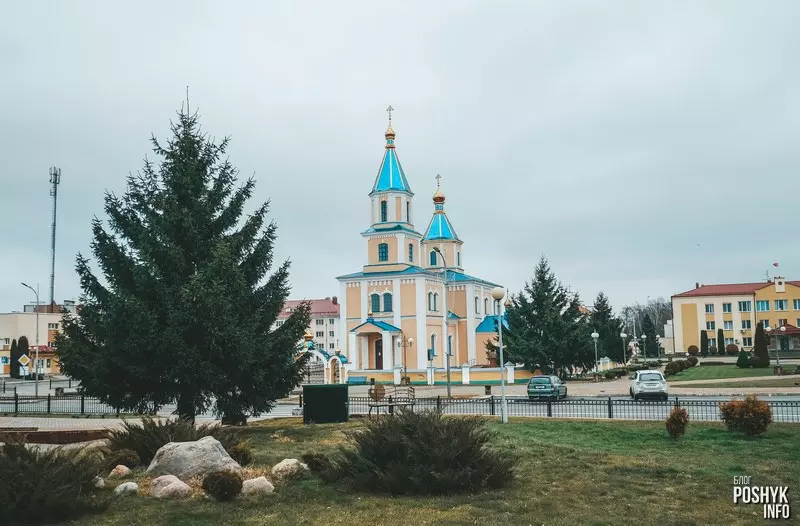
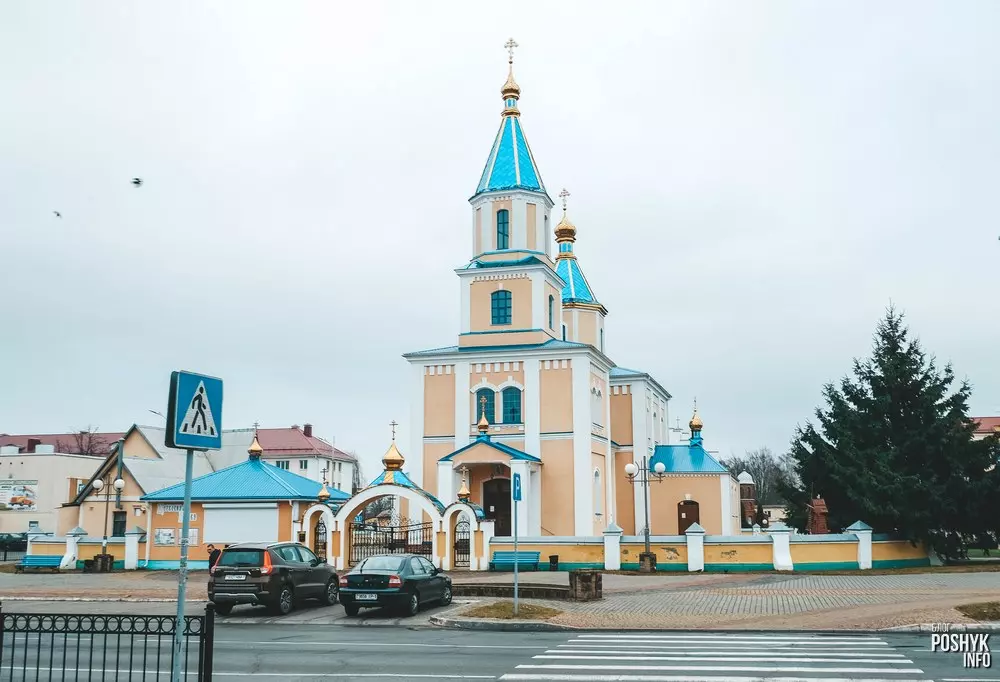
The Church of the Intercession was built in 1901 on the site of a wooden church. Its architecture is typical for such structures and follows the pseudo-Russian style. The church is divided into four main parts: a high, three-tier belfry, a small refectory, the main volume of the temple, and the apse. The narthexes are situated on the sides, and the windows are adorned with cornices and pilasters.
During the Soviet era, the church was repurposed as a local hospital. However, it was rumored that patients who were treated there did not recover. Later, the church was used as stables, but this also proved unsuccessful—horses became sick and even died. By the mid-1960s, the church was abandoned.
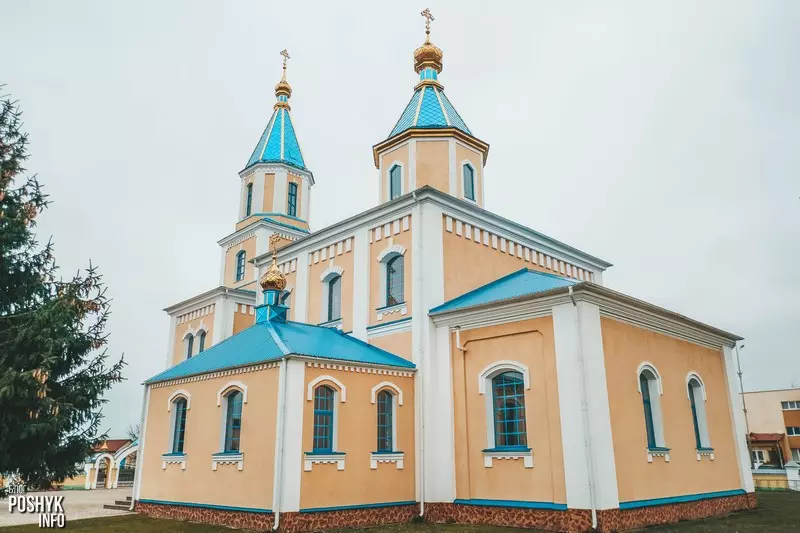
In the 1990s, the building was returned to the local believers and, over time, was restored. Today, the church is open to the public and is located in the city center, on October Square.
Holy Cross Church in Ivanovo (Yanov)
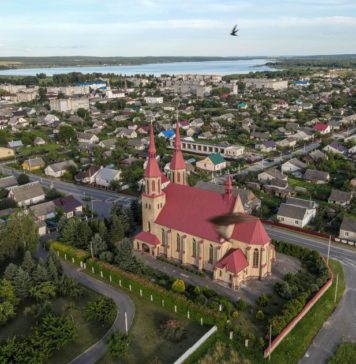
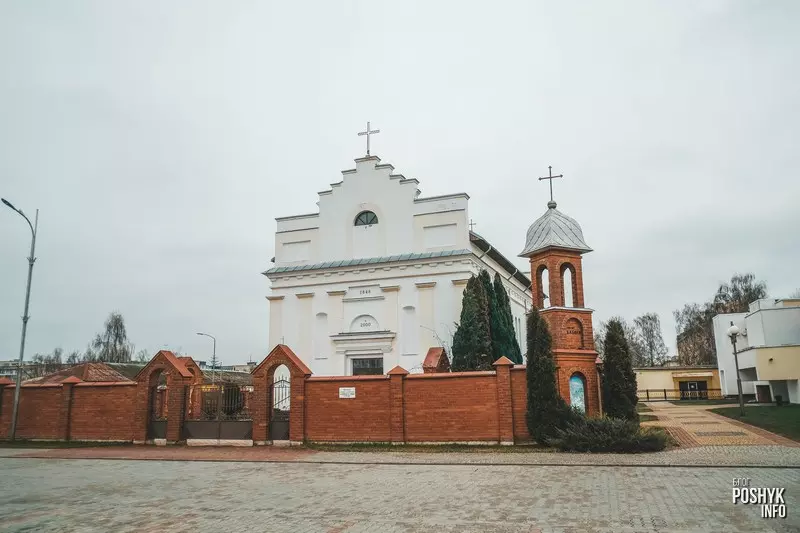
This stone church, built in 1848, is designed in the Empire architectural style—a rare style in Belarus. It was constructed under the patronage of Emperor Nicholas I, who was a close friend of the local abbot, Francisk Pallulona.
The history of the church is indirectly connected to the cult of the famous saint, Andrei Bobola. This Jesuit monk was executed in May 1657 by the Cossacks of Zdanovich in the Yanov market for refusing to convert to Orthodoxy. A tall obelisk was erected at the site of his execution, resembling a column. While the monument no longer exists, it can be seen in a drawing by Napoleon Orda from 1861.
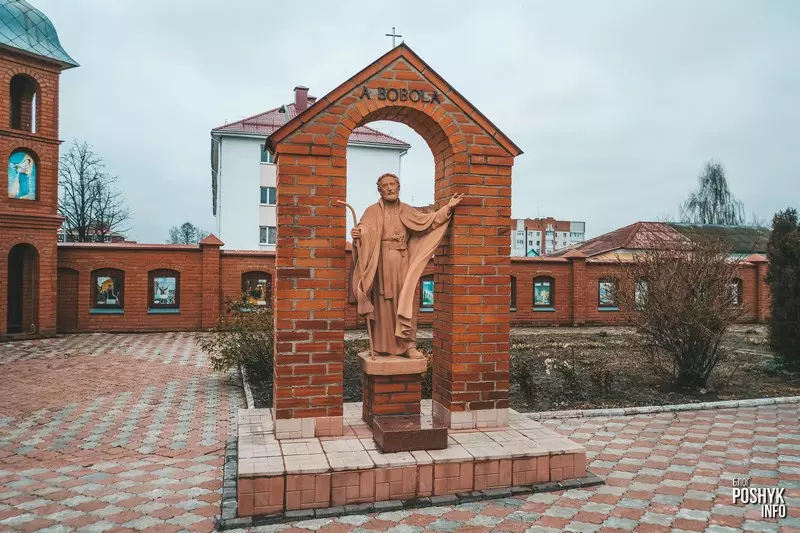
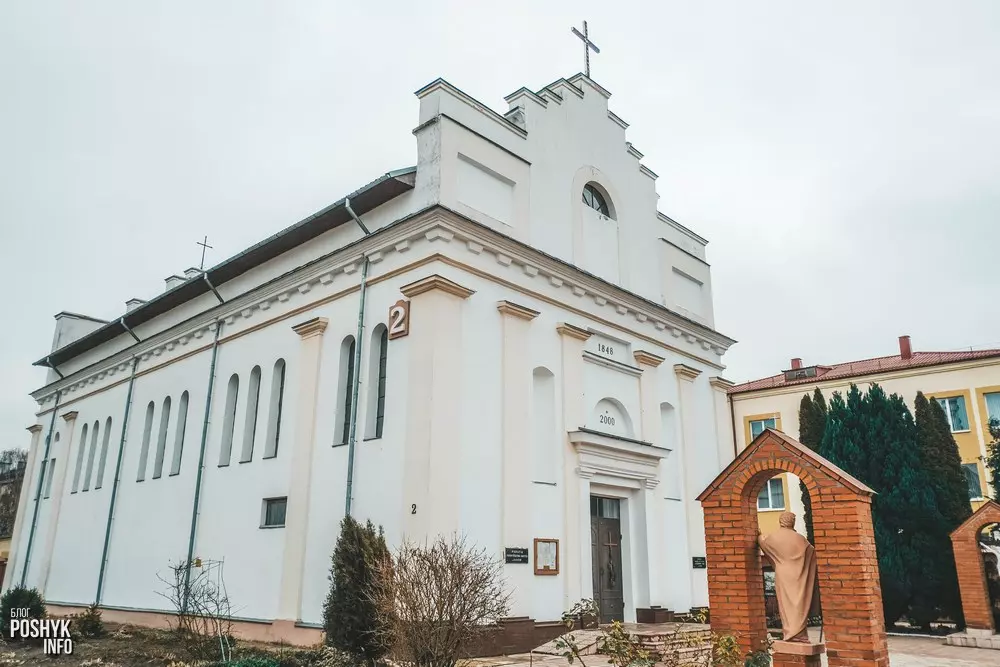
Part of the appearance of this obelisk is reflected in the brick turrets at the corners of the church’s walls.
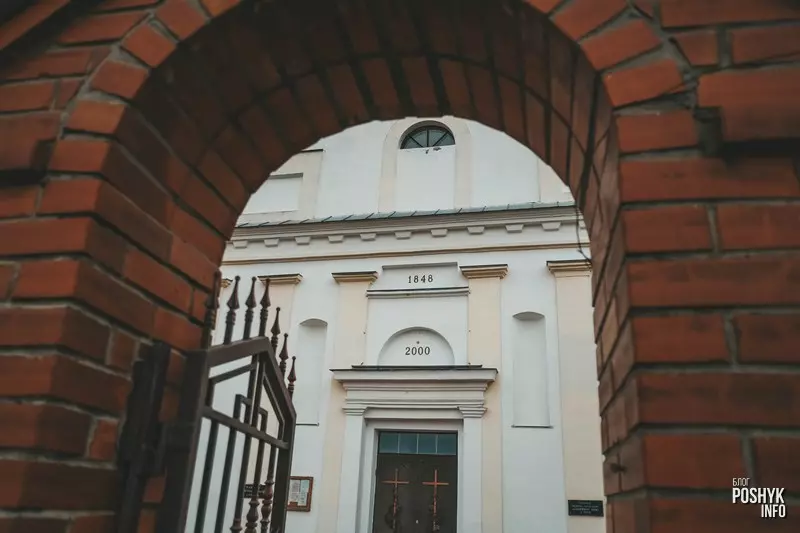
At the end of the 19th century, a single-tier stone bell tower was added, but it was destroyed during World War II. In Soviet times, the church was closed. It was returned to the faithful in 1995, and restoration work was completed by the early 2000s. The church is located in the city center and is easy to find.